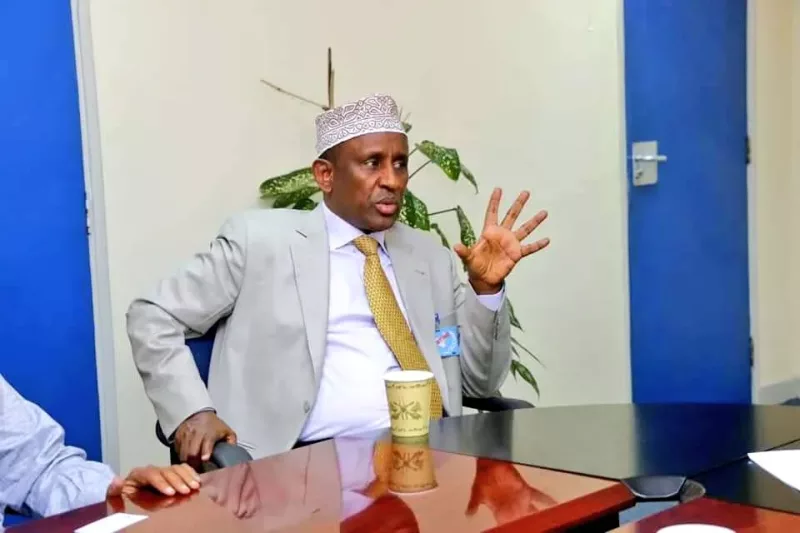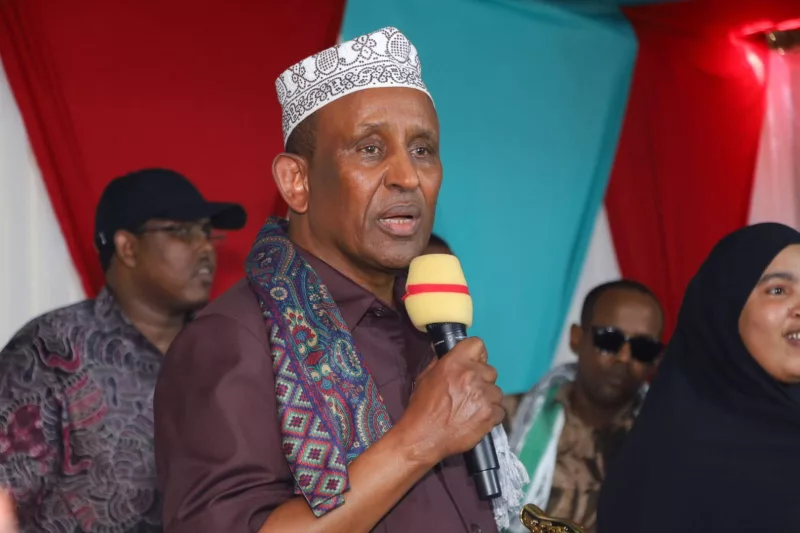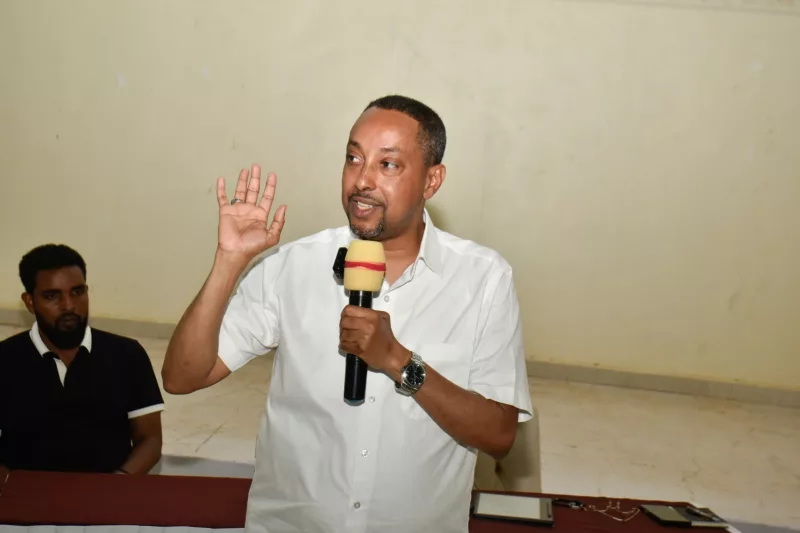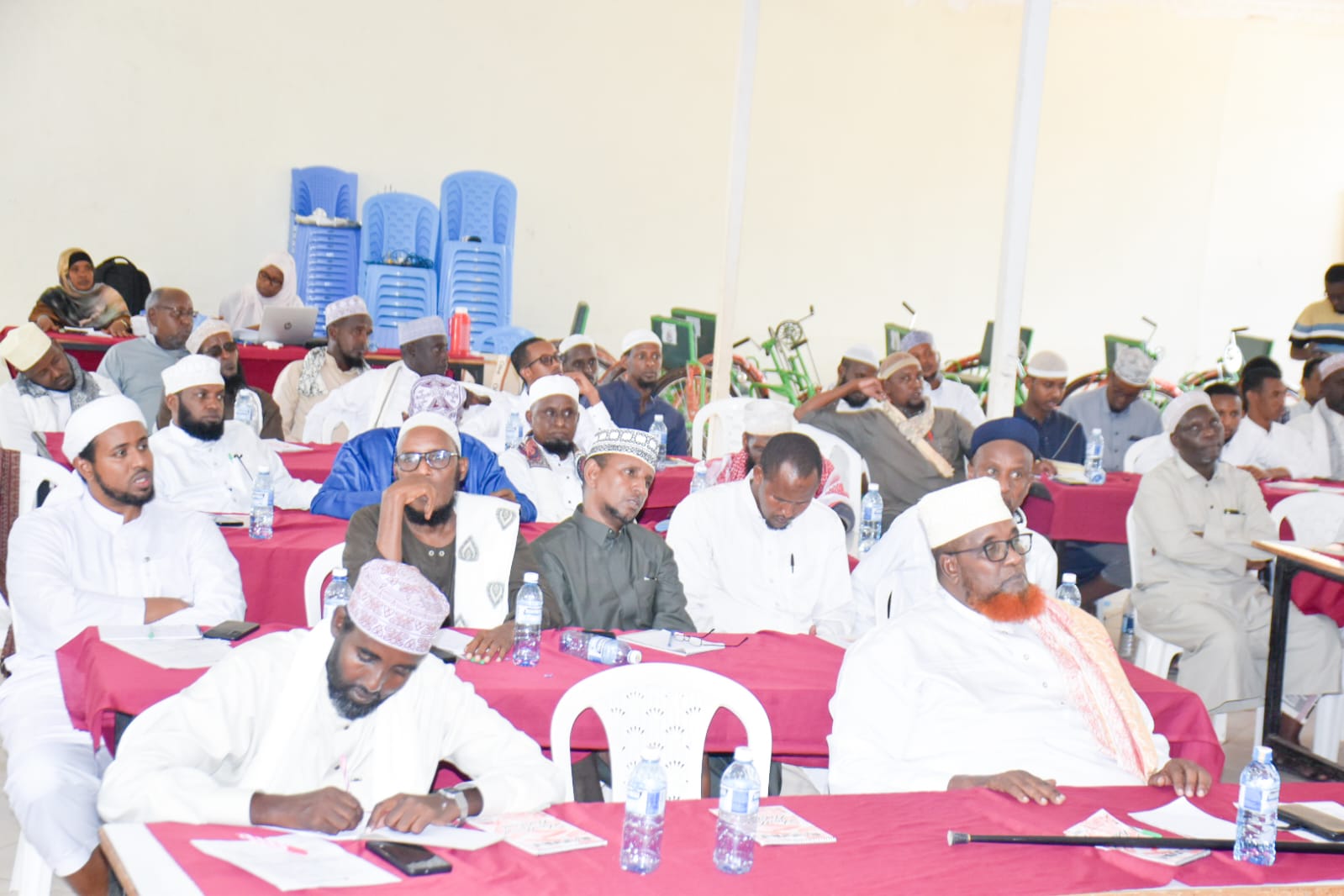
Muslim Religious leaders drawn from SUPKEM during the meeting. /STEPHEN ASTARIKO
Religious leaders in Northeastern have warned of a ‘silent epidemic’ of HIV and AIDS, urging urgent collective action to address the region’s growing health crisis.
The appeal emerged during a high-level meeting in Garissa organised by the National Syndemic Disease Control Council (NSDCC) in partnership with the Supreme Council of Kenya Muslims (Supkem).
The forum brought together faith leaders from Garissa, Wajir, Mandera and neighbouring Tana River counties to deliberate on rising infections and persistent barriers to response.
Participants said that stigma and deep-rooted cultural beliefs remain major obstacles, discouraging many from seeking testing, treatment and support services.
NSDCC data indicates that at least 1,895 people are currently living with HIV in Garissa county.
National figures further show that 60 per cent of people living with the virus are aged between 30 and 54, while women account for about 65 per cent of infections.
Speaking during the meeting at the Garissa government guest house, NSDCC official Halima Dahir urged stakeholders to confront the reality of the situation.
“We must live with realities. We cannot continue living in denial. HIV and AIDS is in our society, and we must [as] stakeholders, including religious leaders, join hands and use our spaces to pass the message,” she said.
Dahir said the faith sector plays a critical role in shaping behaviour, noting that more than 97 per cent of Kenyans identify with a religious affiliation, according to the 2019 Census.
“Places of worship provide wide congregational reach and geographical coverage. Your role in the fight against this scourge cannot be overestimated,” she added.
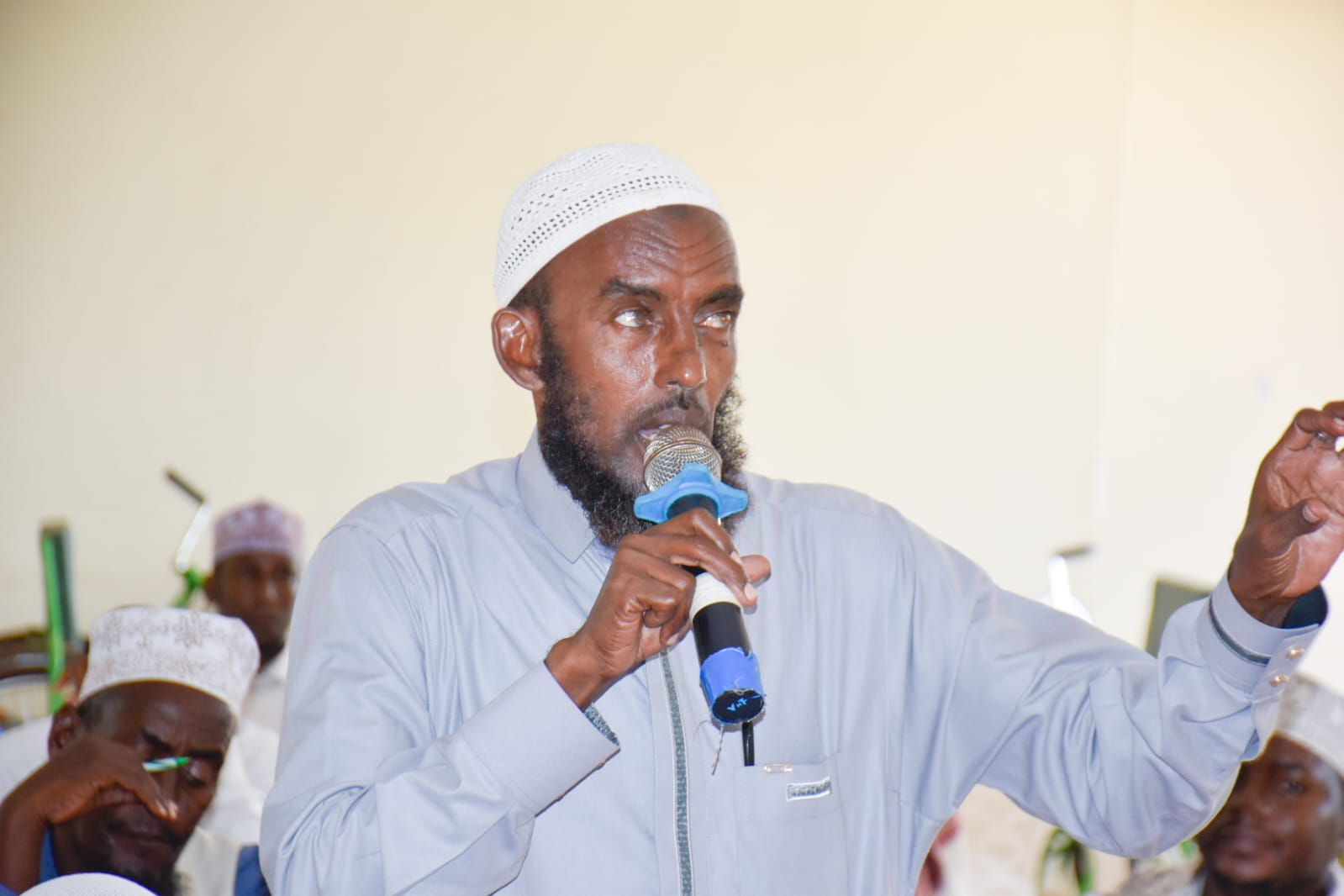
Religious leaders at the forum called for a stronger and more coordinated response. Sheikh Mohamed Noor from Tana River urged intensified community sensitisation to ensure messages reach grassroots populations.
“As religious leaders, we must leverage our extensive networks to openly discuss these issues and foster awareness in our communities,” he said.
Sheikh Abass Hassan stressed the need to demystify HIV and address what he termed the ‘triple threat’, warning that progress would remain limited unless misconceptions are confronted directly.
He also pointed to gaps in parental guidance during adolescence as a contributing factor to vulnerability among young people.
“Parents must ensure their children are engaged in religious institutions, which remain vital spaces for instilling values and guiding behaviour,” he said.
Dr Hussein Iman, director of health and sanitation at Supkem, emphasised the importance of engaging men and boys, improving health-seeking behaviour and tackling stigma.
He said faith structures such as mosques and madrassas offer a strong platform for outreach.
“We have resolved to use our extensive grassroots networks from mosques to madrassas and homesteads—to amplify awareness and promote behaviour change.”
Iman also said that widespread religious institutions across the region present a strategic opportunity to reach communities at village level.
The forum further highlighted challenges including long distances to health facilities, reliance on donor funding and the influence of urbanisation and social media on changing social behaviour.
While counties such as Mandera and Wajir have reported stabilised infection rates, Tana River has recorded an increase in new cases, prompting renewed concern among stakeholders.
Participants concluded that addressing the epidemic will require a shift from denial to action, with religious leaders expected to play a central role in reducing stigma, promoting testing and encouraging treatment uptake.
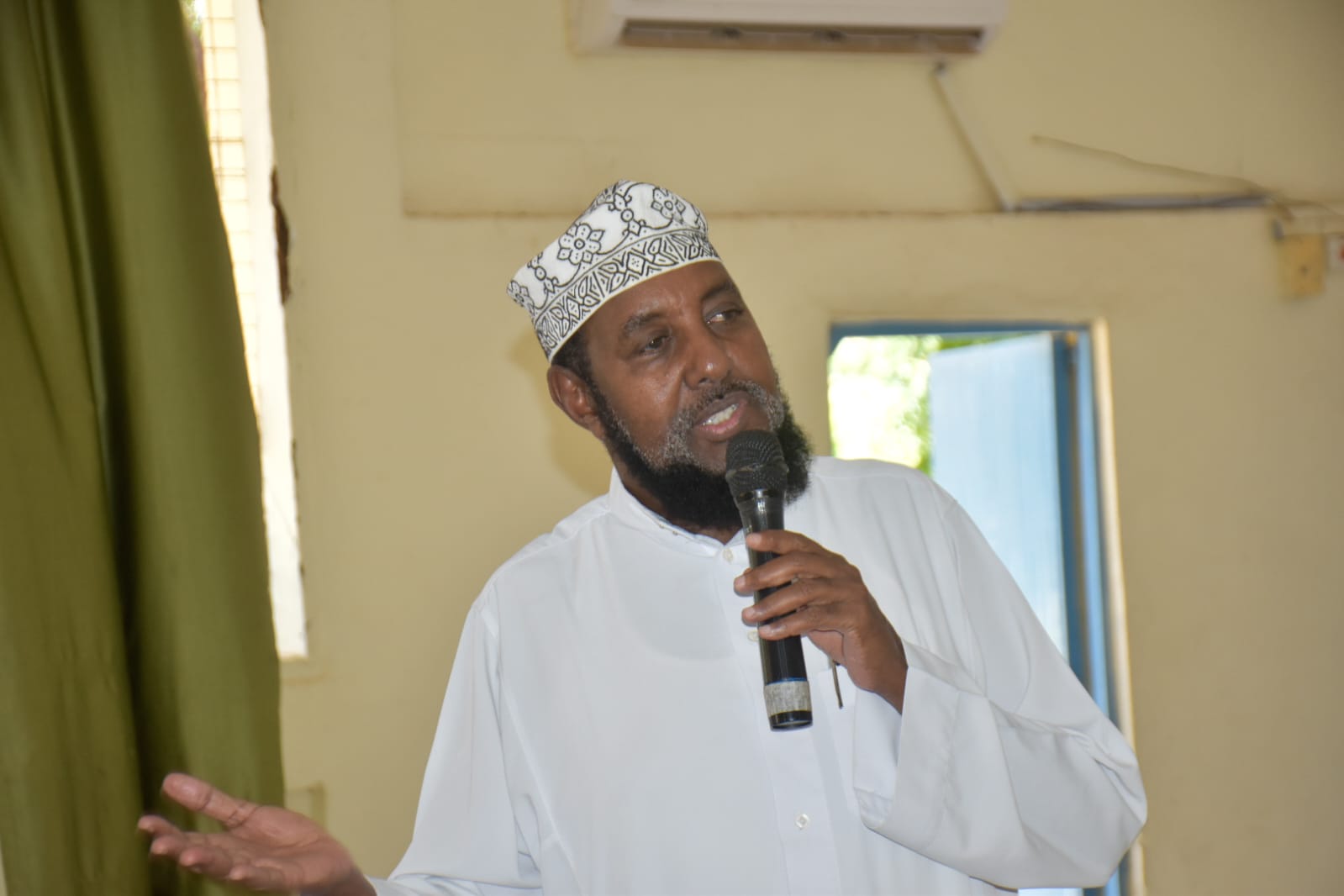
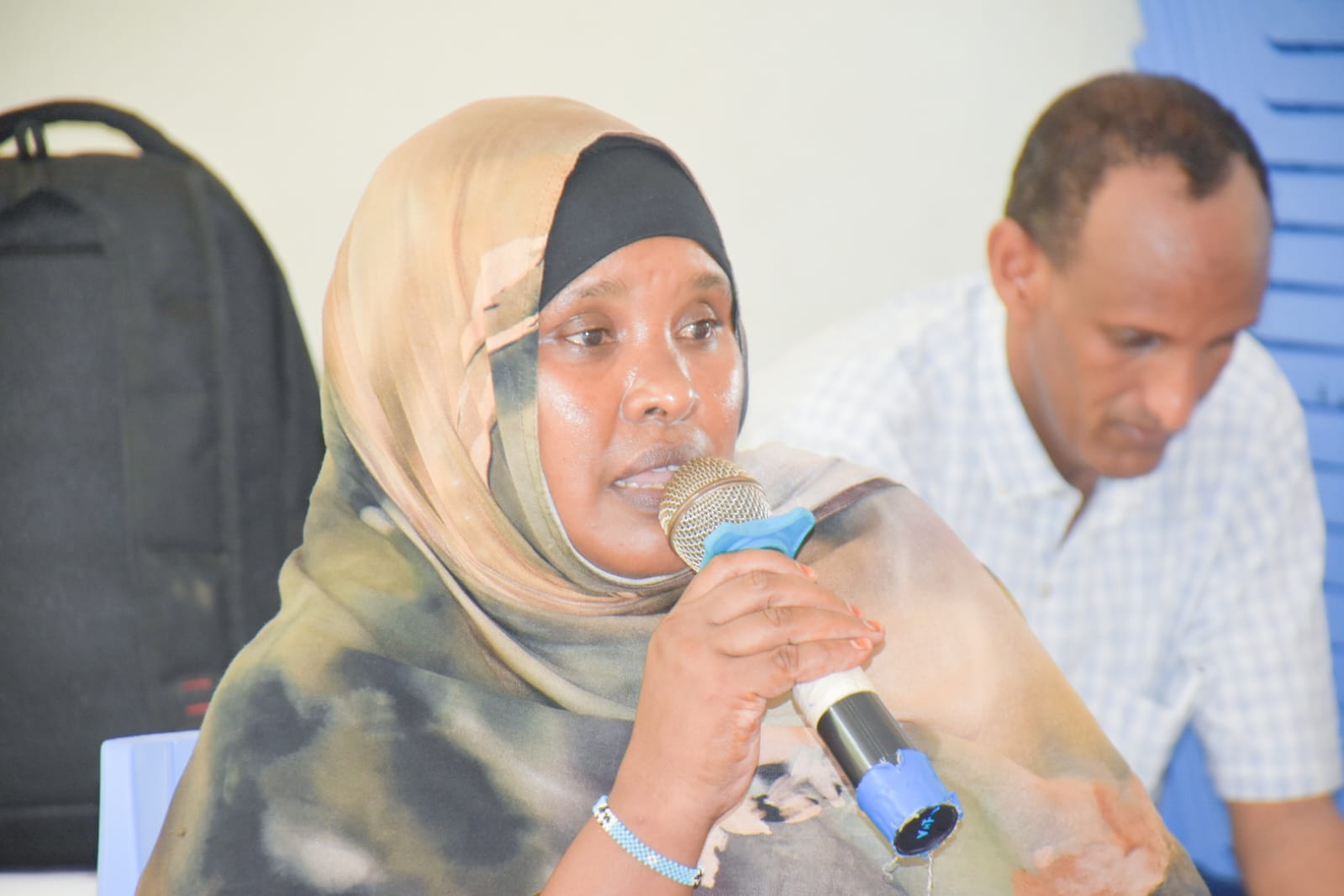
Halima Dahir from the NSDCC speaking at the forum. /STEPHEN ASTARIKO
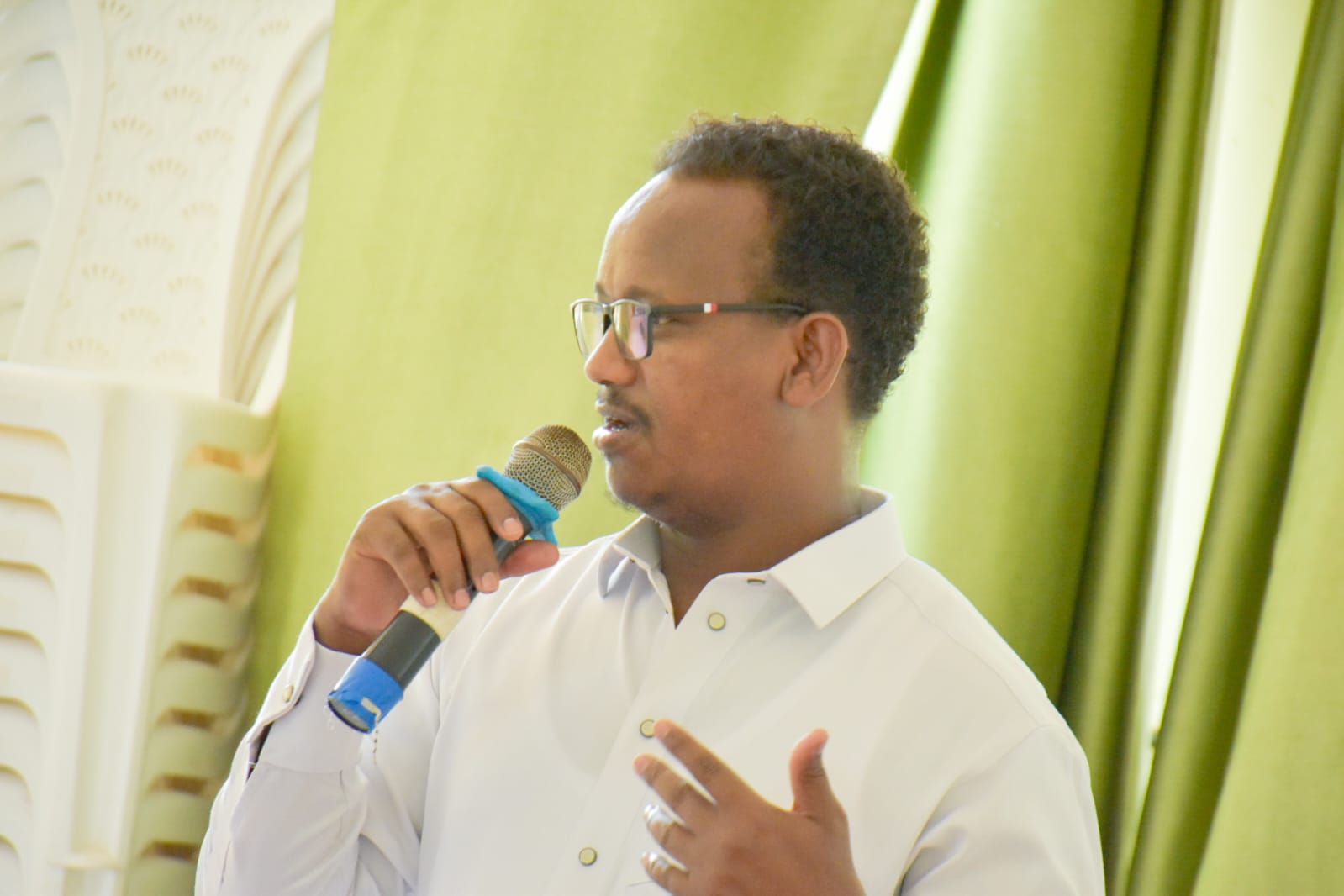
Dr. Hussein Iman, Director of Health and Sanitation at SUPKEM speaking at the forum. /STEPHEN ASTARIKO
Sheikh Abass Hassan from Garissa speaking at the forum. /STEPHEN ASTARIKO
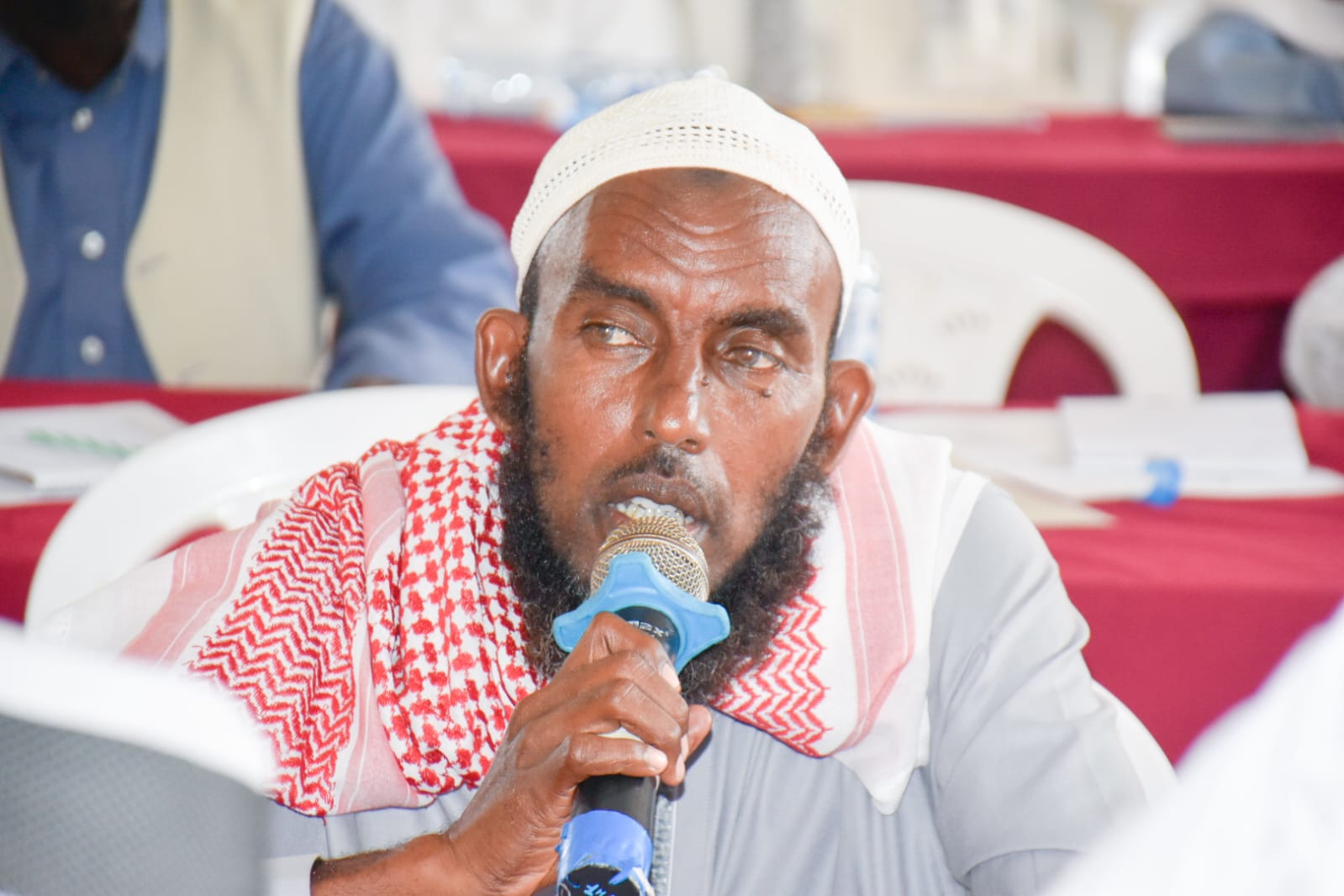
Sheikh Mohamed Noor from Tana River speaking at the forum./STEPHEN ASTARIKO