A new regional study has raised alarm over how quickly violent extremist groups are turning climate-related hardships across the Horn of Africa into recruitment tools.
Read Also
The research by the IGAD Centre of Excellence for Preventing and Countering Violent Extremism finds that by the time drought, displacement and livelihood losses are formally captured in Early Warning and Early Response (EWER) systems, extremist actors have already reframed these crises into narratives that mobilise communities.
According to the study, this delay creates a dangerous window in which grievances linked to climate shocks are weaponised.
This is especially evident in fragile regions such as Northeastern Kenya, where state presence is weak and communities face prolonged environmental stress.
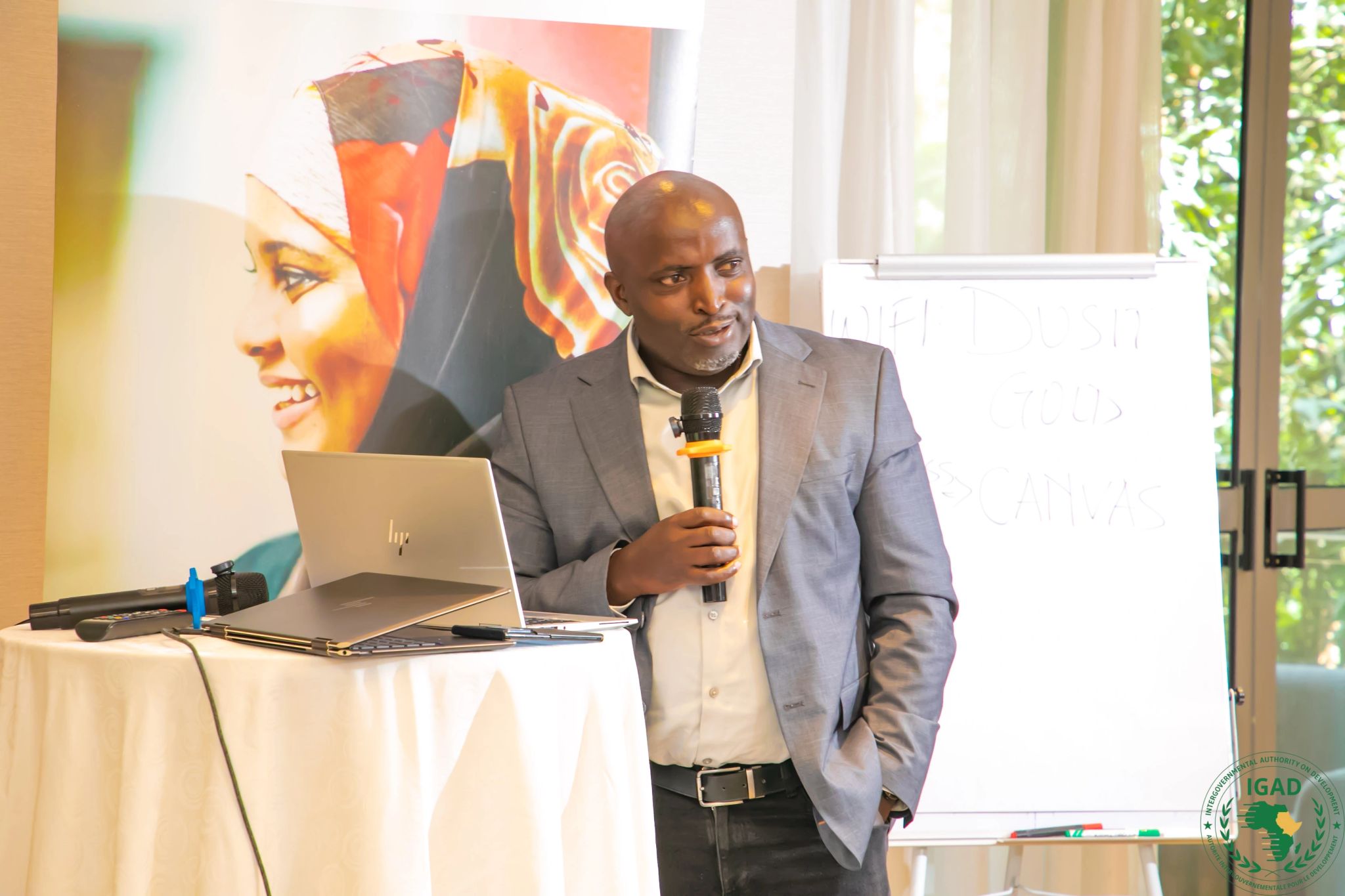
Presenting the findings at a sub-regional workshop in Nairobi, researcher George Gathigi said the gap between data collection and community perception is where extremist groups gain ground.
“By the time material grievances are recorded, narratives have already formed,” Gathigi said.
He warned that such narratives, often rooted in identity, marginalisation and survival, can quickly be adapted for recruitment.
The study shows that while EWER systems are effective at detecting physical indicators such as drought, vegetation decline, livestock loss and displacement, they largely fail to capture how affected communities interpret these shocks.
It is this “narrative gap”, the report notes, that allows extremist organisations to present themselves as alternative sources of meaning, protection or justice.
Across the Horn of Africa, the research identifies nine dominant extremist narratives emerging from climate stress.
These include economic hardship, religious and ideological framing, perceived injustice and corruption.
Others are political exclusion, state marginalisation, identity and belonging, historical conflict, exploitation of vulnerable youth and resistance to foreign influence.
Climate shocks often generate multiple narratives at once. This makes communities more vulnerable to layered and adaptive messaging by armed groups.
The report notes that arid and semi-arid lands make up nearly 70 per cent of the Intergovernmental Authority on Development region.
These areas sit at the intersection of climate exposure, weak governance and ongoing conflict.
In such environments, environmental stress acts less as a direct cause of violence and more as a multiplier of existing vulnerabilities.
Extremist groups are increasingly framing climate hardship through religious, ethnic and political lenses. This deepens divisions and amplifies grievances.
“Climate stress does not only produce scarcity, but also narratives of survival, marginalisation and identity loss that can escalate into violence,” said Betty Oboy of South Sudan’s Peace and Reconciliation Commission.
The study calls for a shift from purely data-driven early warning systems to approaches that incorporate “narrative sensing” — tracking how communities understand and communicate their experiences in real time.
It also urges governments to respond more quickly to early signals, deploying both material support and counter-narratives before extremist actors fill the vacuum.
Among the key indicators that systems should prioritise are resource competition, displacement, livelihood insecurity, youth unemployment and the perceived absence of the state.
Without timely intervention, experts warn, these conditions risk being turned into powerful narratives that legitimise violence and attract recruits, particularly among marginalised youth.