Read Also
Enjoying this article?
Subscribe for unlimited access to premium sports coverage.
View Plans

Efforts to tackle the high burden of Sickle Cell Disease in western Kenya have received a major boost.
This follows the rollout of a regional programme targeting early diagnosis, improved treatment and long-term support for affected families.
The initiative, spearheaded by Pierre Fabre Foundation in partnership with local and national stakeholders, is being implemented in Kenya and Tanzania with the aim of reducing deaths and complications linked to the condition.
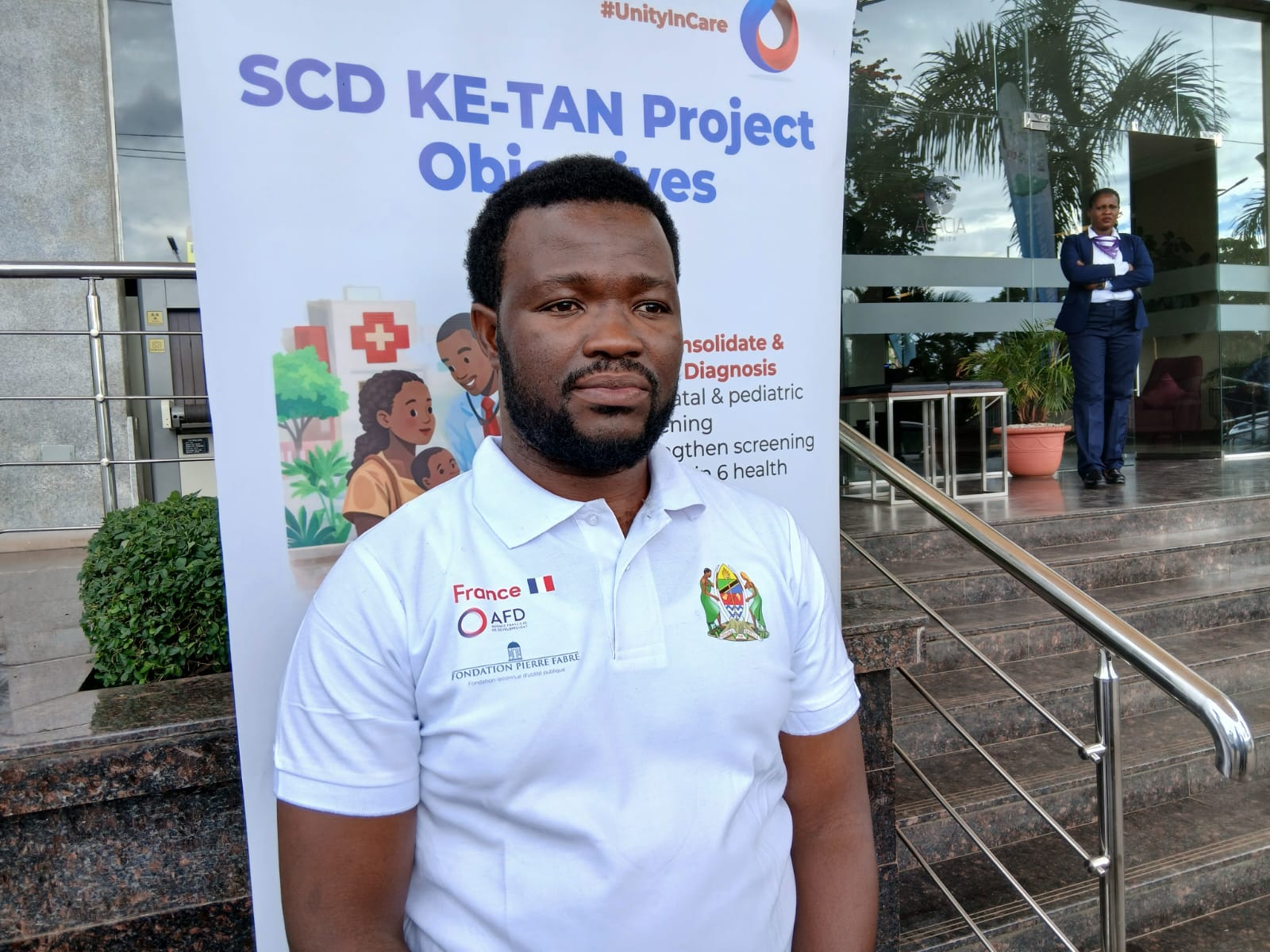
Speaking in Kisumu during the training of healthcare workers and community health promoters, Pierre Fabre Foundation SCD KeTan project coordinator Abdousalam Poutougnigni said the project marks a significant expansion following its initial launch in Nairobi earlier this year.
“We are now extending our activities to Kisumu, where we are conducting our first training for healthcare providers and community health workers on sickle cell disease,” he said.
The programme, dubbed SCD KE TAN project, is designed to address both mortality and morbidity associated with the disease, which remains a major public health concern across Sub-Saharan Africa.
According to the World Health Organization, an estimated 7.7 million people globally are living with sickle cell disease, with about 80 per cent residing in Sub-Saharan Africa.
In Kenya alone, approximately 14,000 babies are born with the condition each year, and up to 80 per cent of them die before reaching the age of five if not diagnosed and treated early.
Poutougnigni said the foundation’s approach focuses on working through local partners rather than directly implementing programmes.
“We believe access to healthcare is a fundamental human right, not a privilege. That is why we support local organisations that understand the communities they serve,” he said.
In Kenya, the programme is being implemented in collaboration with organisations such as the Sickle Cell Federation of Kenya, the Children’s Sickle Cell Foundation, the African Sickle Cell Organisation and Sickle Cell Awareness in Kenya.
The three-year programme, set to run from 2025 to 2028, has a global budget of 3 million euros, with about 1.3 million euros (Sh196 million) allocated to Kenya.
Its key focus areas include expanding diagnosis through newborn screening and awareness campaigns, improving access to healthcare and strengthening socio-economic support for affected families.
Through the initiative, more than 300 patients are expected to benefit from health insurance support, while counties such as Taita Taveta and Kilifi will see the establishment of revolving fund pharmacies to improve access to hydroxyurea, a life-saving drug used in managing the condition.
The programme also incorporates income-generating activities aimed at cushioning families from the economic strain associated with long-term illness.
Patient Centered Approach
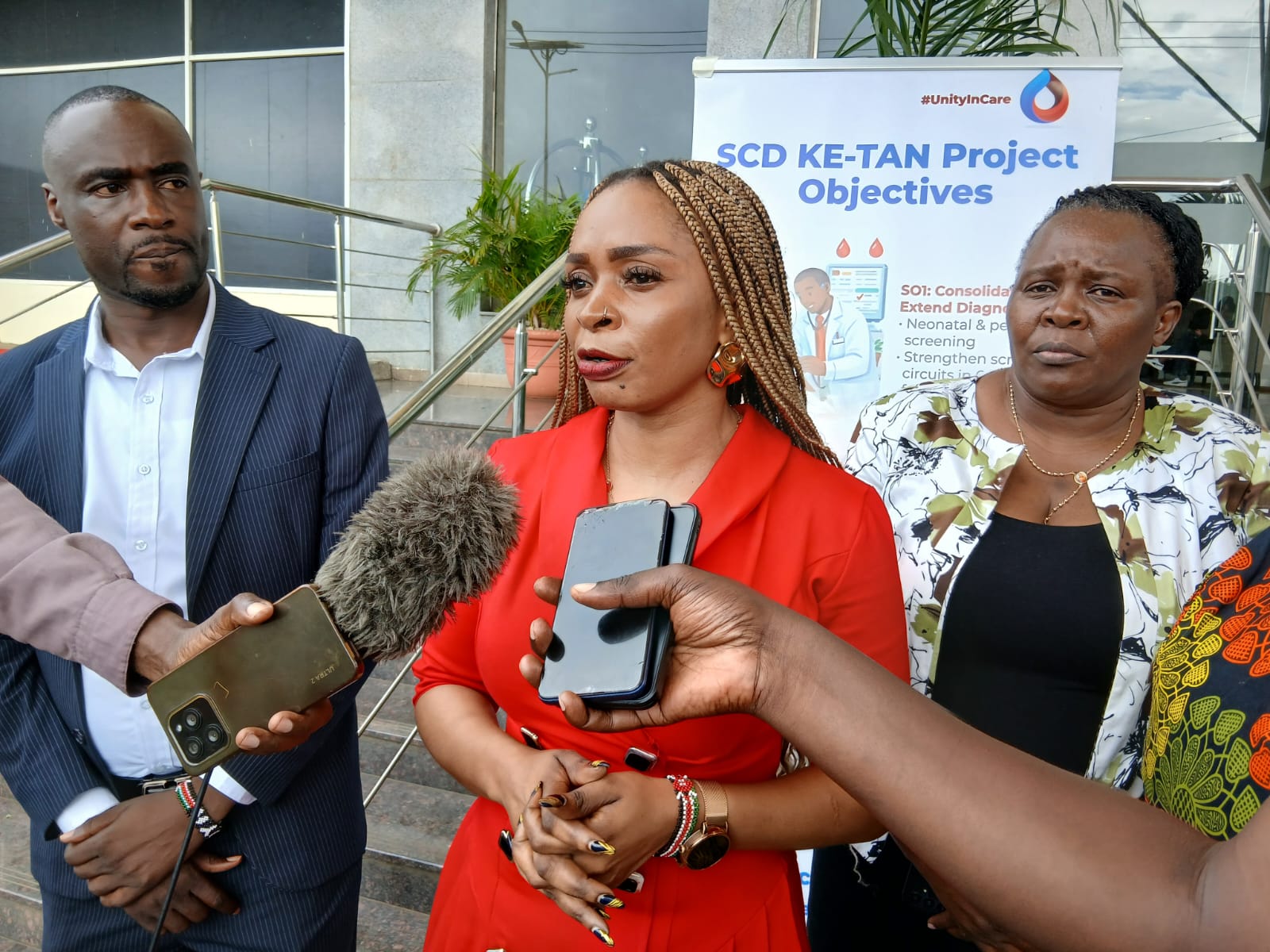
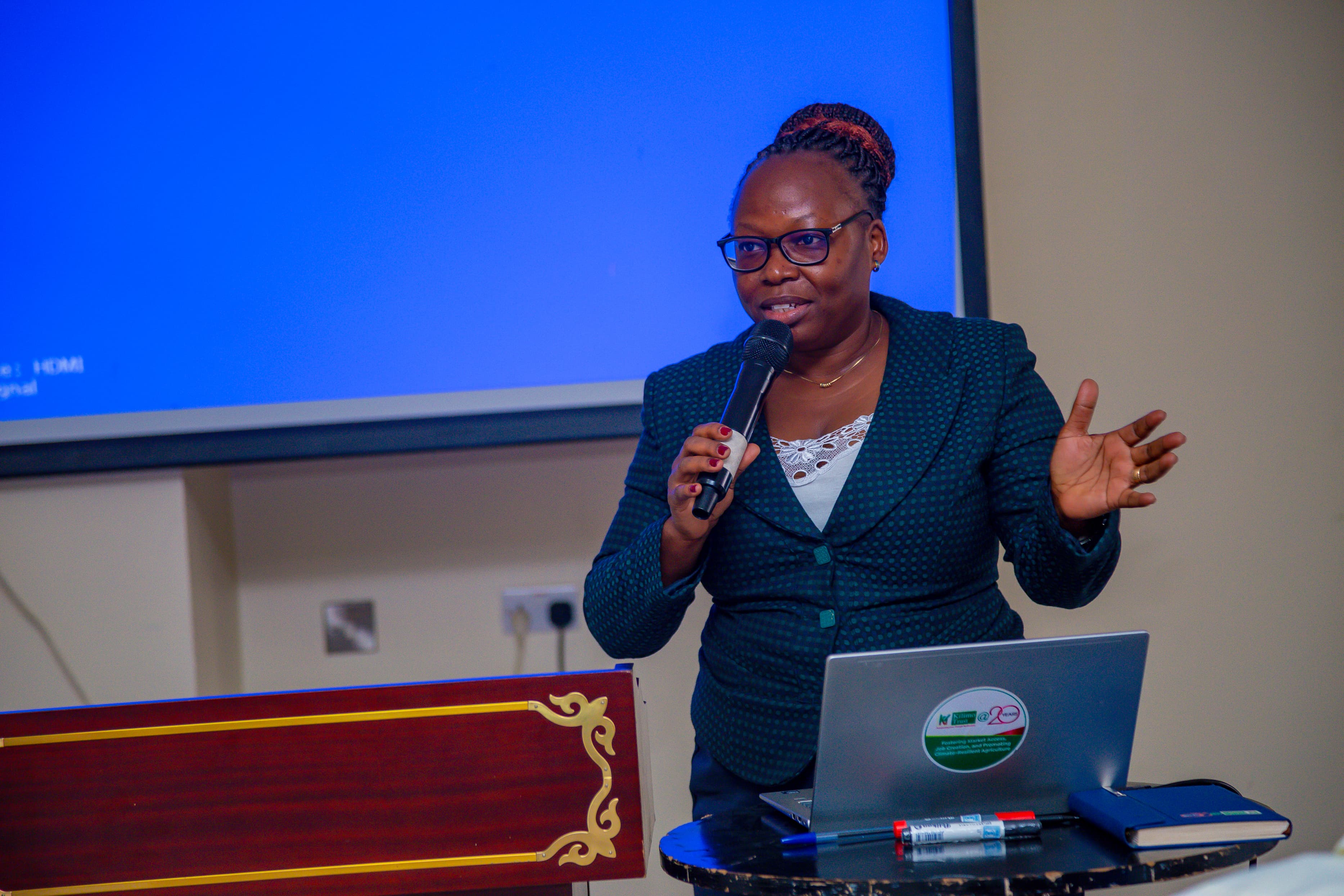
Sickle Cell Federation of Kenya CEO Emily Gumba welcomed the partnership noting that it places patients at the centre of interventions.
“As a federation, we bring together patient organisations to amplify their voices and strengthen advocacy. Many patients have not had a platform to express their needs, especially around emotional and cultural challenges,” she said.
Gumba highlighted the programme’s focus on economic empowerment, saying income-generating activities will help patients often referred to as “warriors” live more dignified lives.
She also underscored ongoing efforts to improve access to hydroxyurea, which remains unaffordable for many families.
“Kisumu is among the regions piloting revolving funds to make the drug more accessible. We are also encouraging patients to register for healthcare services so they can benefit from available support,” she added.
At the national level, the Ministry of Health says the programme aligns with ongoing efforts to strengthen care for people living with sickle cell disease.
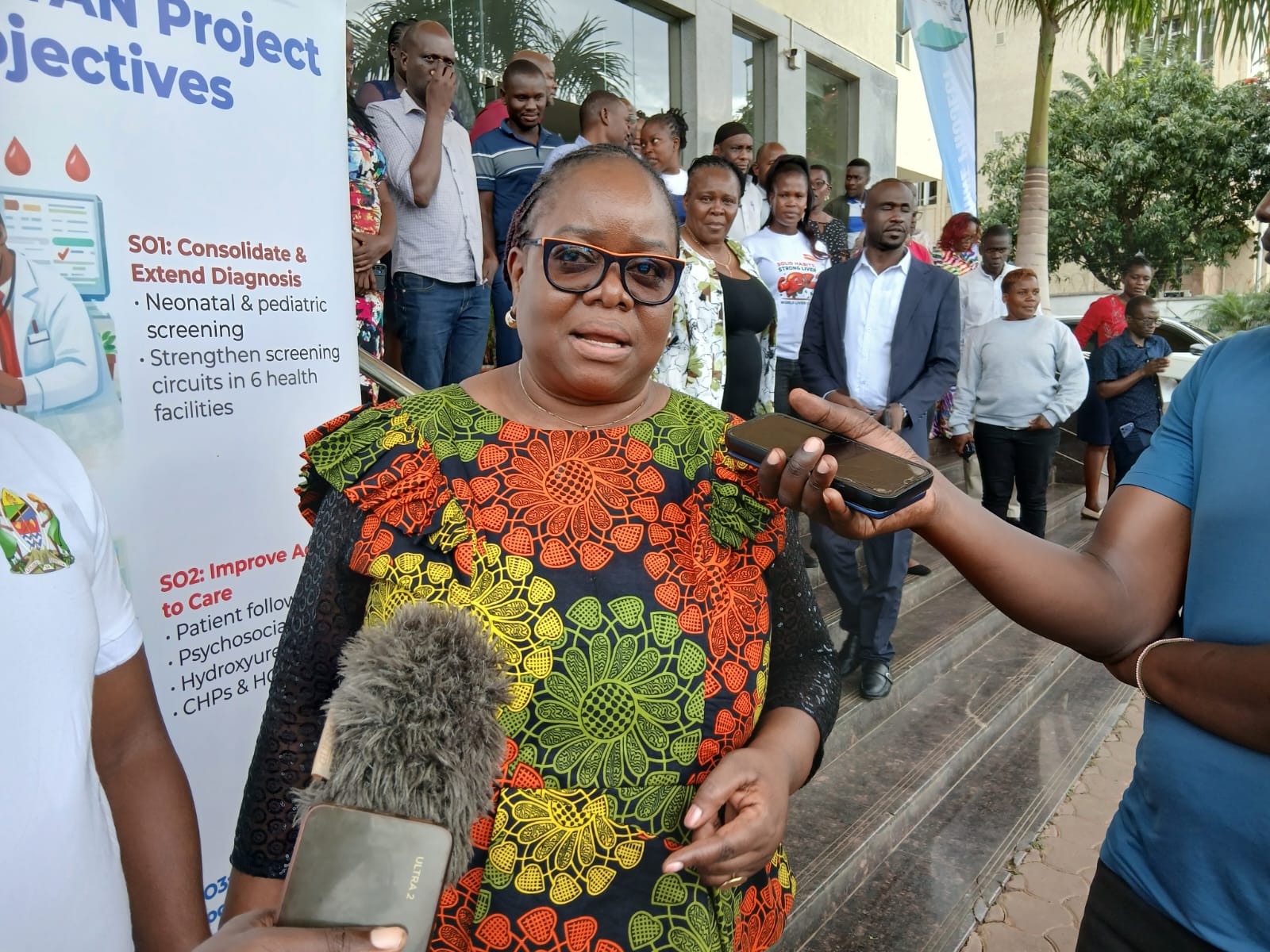
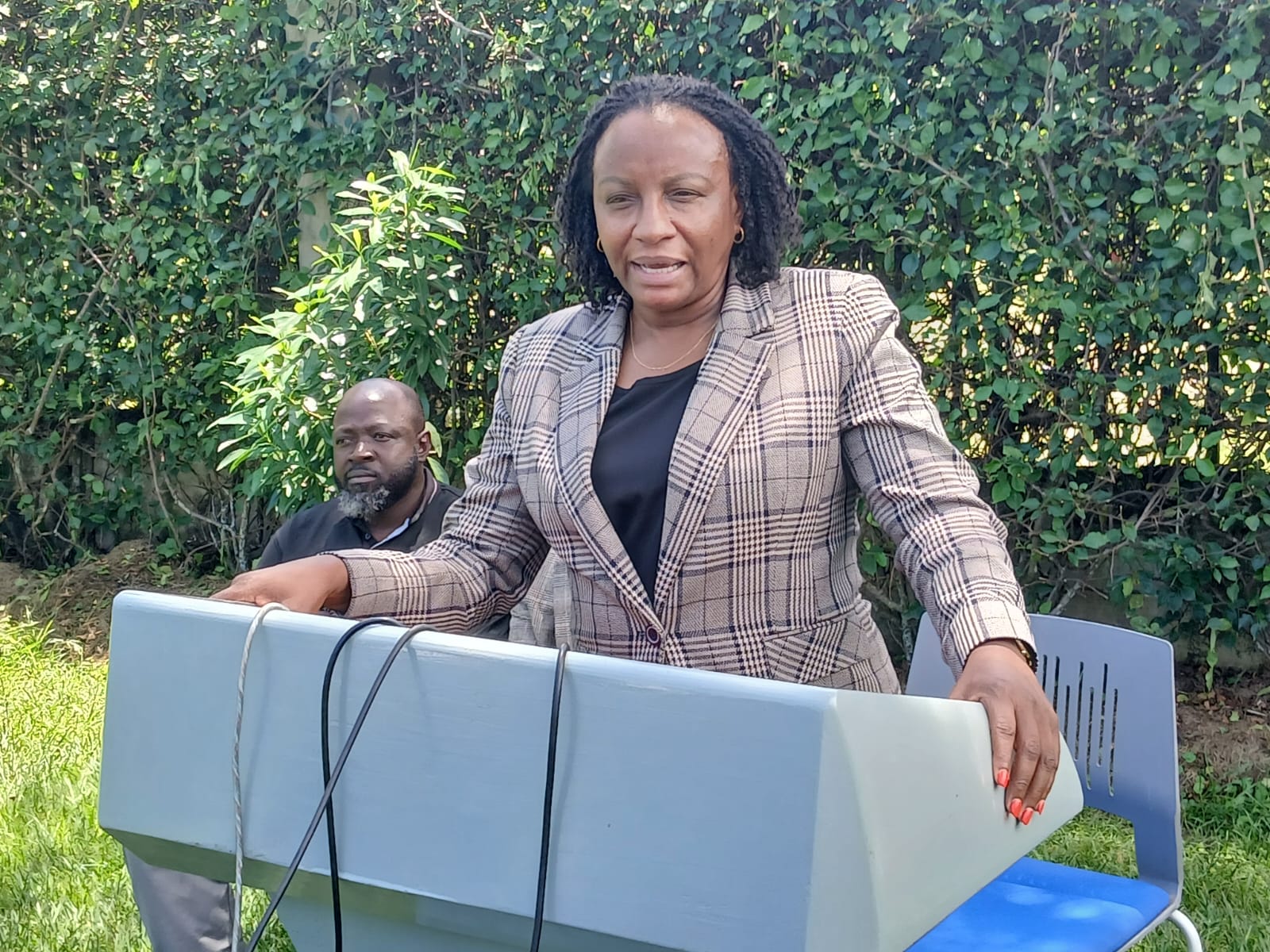
Yvette Kisaka, Division of NCD and Cancer - MoH, Sickle Cell Disease Lead, said training healthcare workers is critical in improving diagnosis and management.
“This initiative enhances our diagnostic capacity and strengthens care. It also supports infant screening and advocacy, which are key to reducing the burden of the disease,” she said.
She noted that Kisumu County has already made progress in screening and management, and the new interventions will further boost these gains.
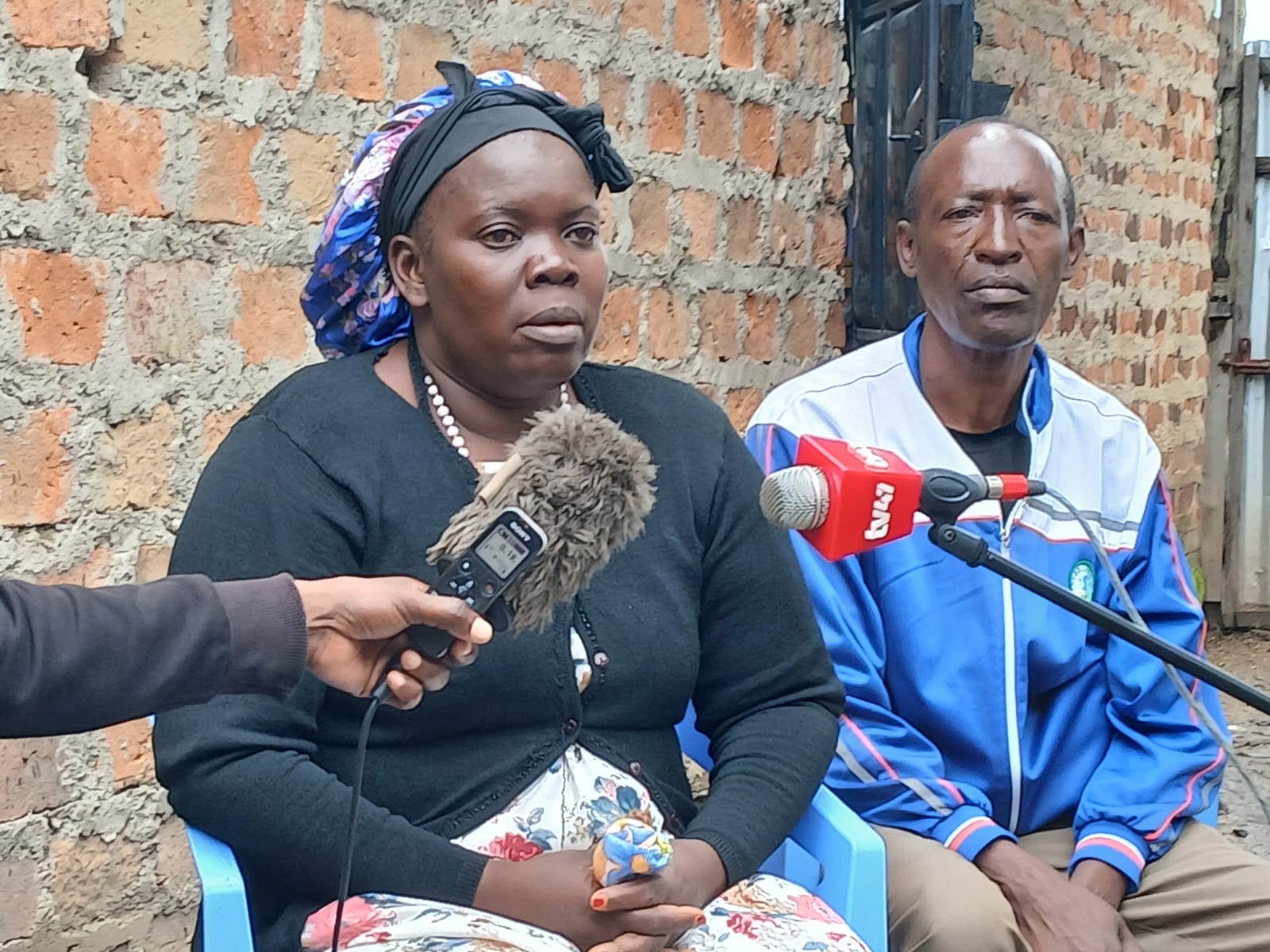
Kisumu county remains one of the hardest-hit regions, with health officials warning that delayed diagnosis continues to cost lives.
Dr Fredrick Oluoch said new data from facilities such as Jaramogi Oginga Odinga Teaching and Referral Hospital shows prevalence rates ranging between 1.5 and 4.5 per cent, averaging about 3 per cent.
“Without early detection and intervention, up to 80 per cent of children born with sickle cell disease may die before the age of five,” he said.
To address this, the county is intensifying newborn screening and introducing couple counselling and screening programmes to help reduce new cases.
The county also plans to expand screening services to high-burden subcounties such as Seme and Nyakach, with the long-term goal of scaling up the model nationally.
Health experts attribute the high prevalence in lake and coastal regions partly to genetic factors and the historical link between malaria and sickle cell traits.
They spoke during a two-week intensive capacity-building programme aimed at strengthening sickle cell disease care and advocacy in the region.
The initiative brought together 60 participants, including 30 Community Health Promoters and 30 healthcare providers, who underwent comprehensive Training of Trainers sessions.


Comments 0
Sign in to join the conversation
Sign In Create AccountNo comments yet. Be the first to share your thoughts!