
Civil society groups have warned
that rising identity-based politics ahead of the 2027 General Election could
undermine accountability, transparency and governance gains.
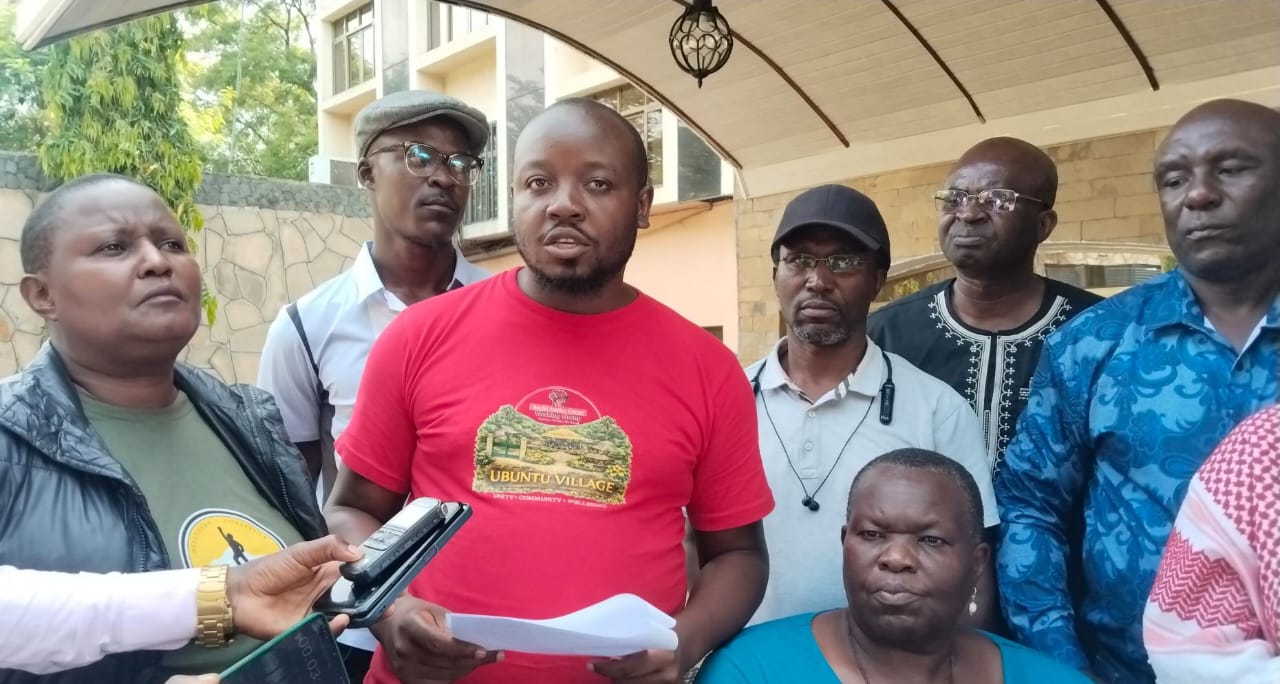
Speaking during a press briefing in Kisumu, the groups said political discourse in the country has increasingly shifted away from development issues towards personality-driven and ethnic-aligned narratives, particularly since late 2025.
They cautioned that the current political trajectory risks weakening citizen oversight and reversing progress made in strengthening public accountability through civic engagement and participation.
“Since late 2025, public discourse has increasingly been shaped by political alignments, personality-driven narratives and rhetoric centred on ethnic configurations rather than service delivery,” said Achieng Achoki of the Kondele Social Justice Centre.
She said instead of focusing on governance, resource allocation and public service delivery, debate has been dominated by discussions of political alignments and ethnic blocs.
“This narrative not only polarises communities but also diverts attention from critical governance issues, including resource allocation, public service delivery and integrity in public office,” she said.
The CSOs warned that if the trend continues unchecked, counties risk losing ground on accountability efforts built over years of civic mobilisation and citizen participation.
They further observed that election periods in Kenya have historically been marked by reduced scrutiny of public expenditure, as national attention shifts towards political competition rather than governance performance.
“As of January 2026, the political environment is saturated with identity politics framed as alignment debates of who supports whom and which ethnic blocs are coalescing,” the statement read.
“This risks eroding citizen-led oversight and weakening mechanisms designed to hold leaders accountable.”
The organisations urged citizens to take an active role in safeguarding democratic space by ensuring they are registered as voters and verifying their details ahead of the elections.
They emphasised that voter participation remains a key pillar in strengthening democracy and ensuring leaders are held accountable at both national and county levels.
“Citizens must safeguard their democratic participation rights by ensuring they are duly registered as voters and by verifying the accuracy of their voter registration status,” the CSOs said.
They also stressed that issue-based politics remains the most sustainable path towards curbing corruption and improving governance outcomes.
Reading from the same statement, Peter Luya of Tembea Youth Centre for Sustainable Development called on young people to reject divisive political messaging and demand accountability-focused leadership.
“We must shift from politics of identity to politics of ideas. Leaders must be held accountable through clear, measurable commitments to the people,” he said.
Luya added that young people should not be used as instruments of political division but rather as drivers of accountability and development.
The CSOs issued a series of recommendations to stakeholders in the electoral process. They urged citizens to reject divisive rhetoric and prioritise leaders committed to transparency, accountability and equitable service delivery.
They also called on political leaders and aspirants to move away from identity politics and embrace policy-driven engagement, with clear development plans addressing public needs.
To the media and opinion leaders, they encouraged prioritising coverage of governance and policy issues, warning against amplifying divisive narratives that obscure accountability failures.
They further called on oversight institutions to maintain vigilance during the electioneering period to ensure continued scrutiny of public resources and enforcement of the rule of law.
The CSOs reaffirmed their commitment to supporting civic education and creating platforms that enable citizens to filter political rhetoric and focus on governance priorities.
“As CSOs, we are committed to creating platforms that help citizens identify and filter political noise, refocusing national discourse on public interest priorities,” the statement read.
They further emphasised that the 2027 General Election should be viewed as a test of leadership performance, integrity and service delivery, rather than identity politics.
INSTANT ANALYSIS
The CSOs’ warning reflects a familiar election cycle pattern in Kenya, where political competition increasingly shifts from policy debate to identity mobilisation. Their concern is less about rhetoric alone and more about its governance cost: reduced scrutiny of public spending, weakened accountability and shrinking space for issue-based campaigning. As the 2027 election approaches, the real test will be whether institutions, media and voters resist this drift. While identity politics can consolidate political support, it often sidelines development conversations. Sustaining democratic gains will depend on strengthening civic education, enforcing accountability and ensuring that electoral competition remains anchored in performance rather than ethnicity.



Comments 0
Sign in to join the conversation
Sign In Create AccountNo comments yet. Be the first to share your thoughts!