Efforts to unlock the full potential of East Africa’s fisheries sector have gained momentum, with stakeholders now pushing for inclusive market access targeting women and youth who remain locked out of the most profitable segments of the value chain.
The sector, a key pillar for livelihoods, nutrition and economic growth across the region, continues to face persistent barriers, particularly in cross-border trade, financing and access to structured markets.
To address these challenges, Kilimo Trust, in partnership with the African Continental Free Trade Area (AfCFTA), TradeMark Africa, MicroSave Consulting and Lattice Aquaculture Ltd with support from the Mastercard Foundation convening a Market Access and Business-to-Business (B2B) meeting in Kisumu to address this.
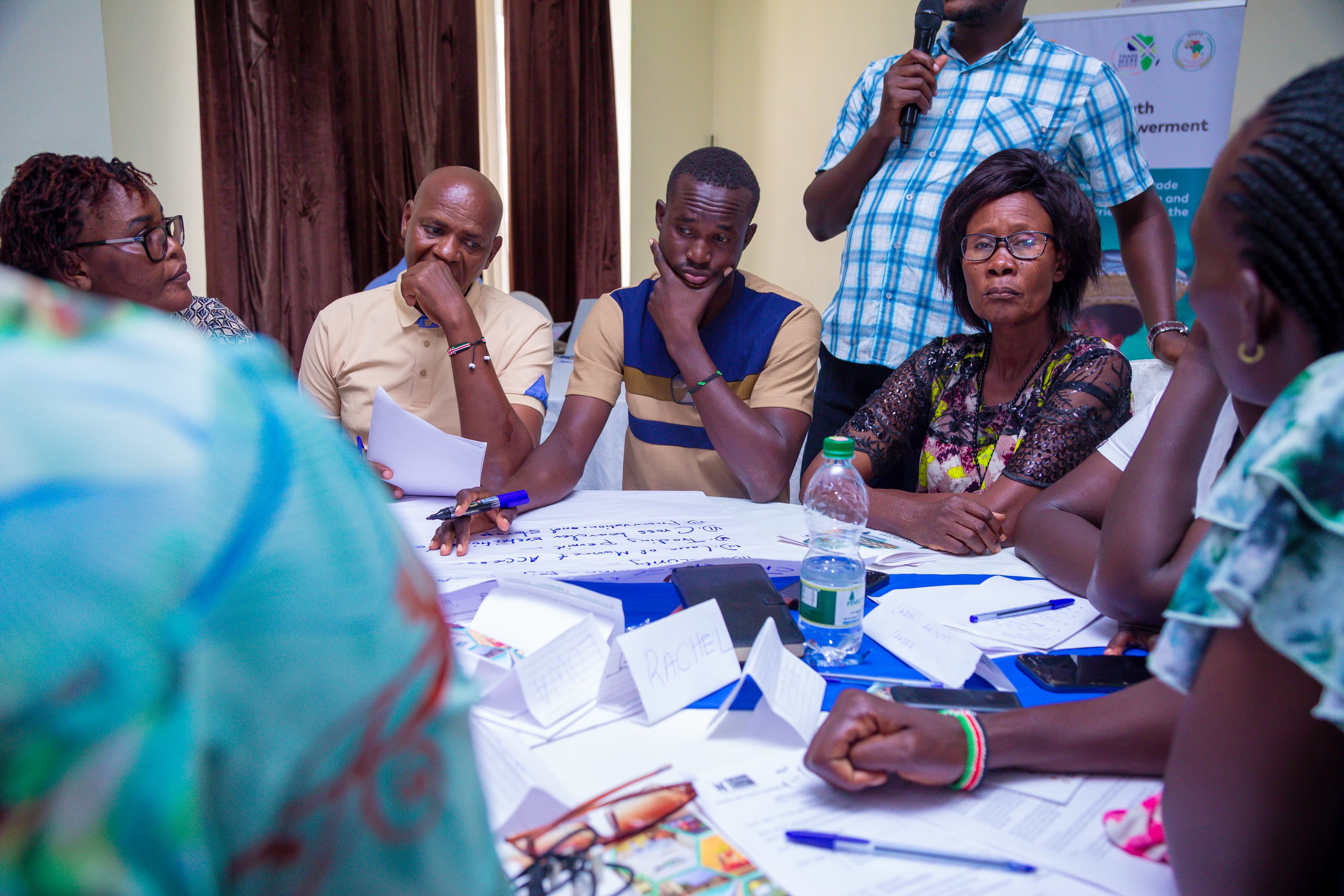
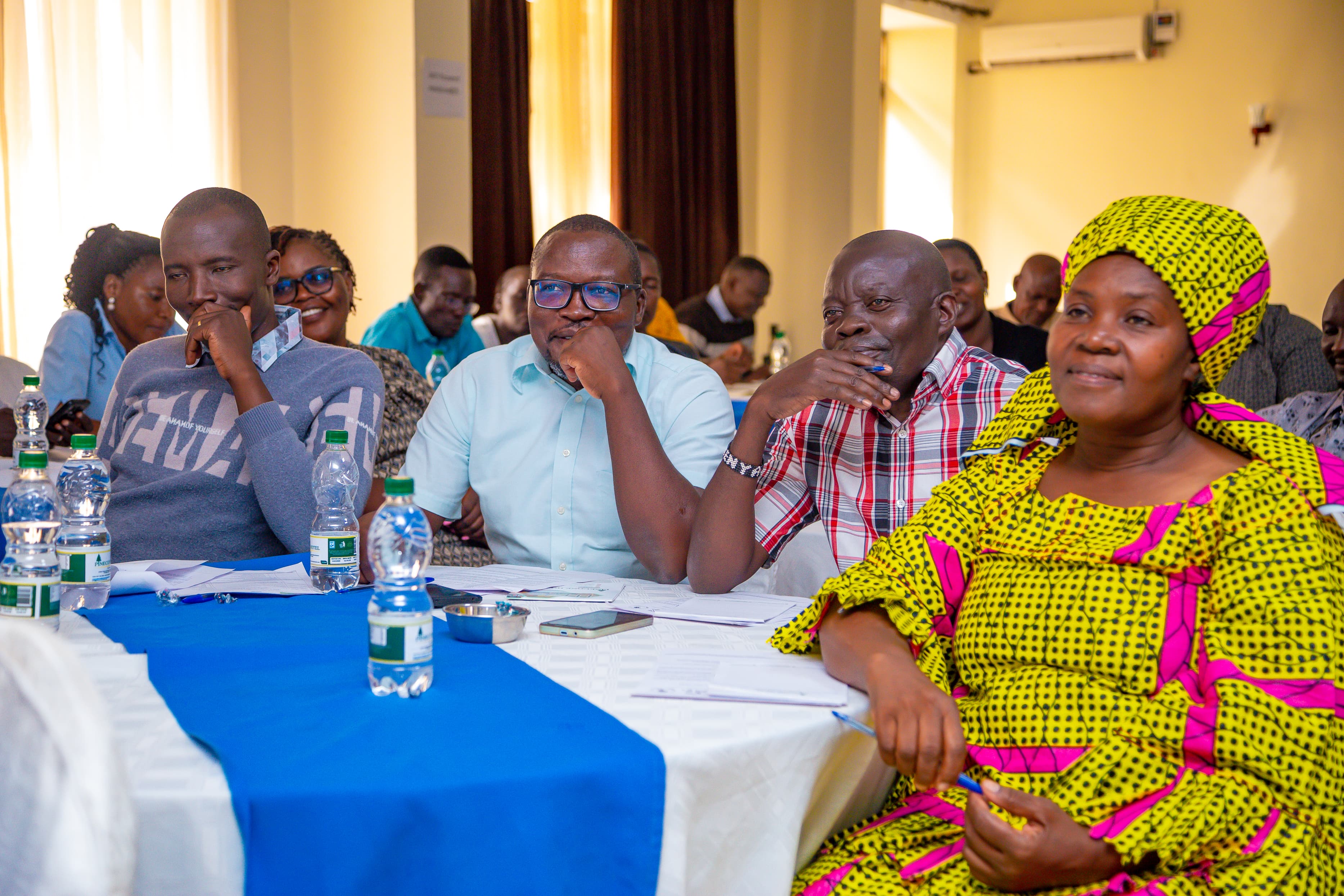
The forum brought together fish traders, policymakers and private sector players to foster trade linkages, promote investment and strengthen resilience in the fisheries value chain.
Discussions focused on trends shaping fish trade in East Africa, cross-border challenges, policy and investment priorities, and strategies to unlock opportunities for women and youth entrepreneurs.
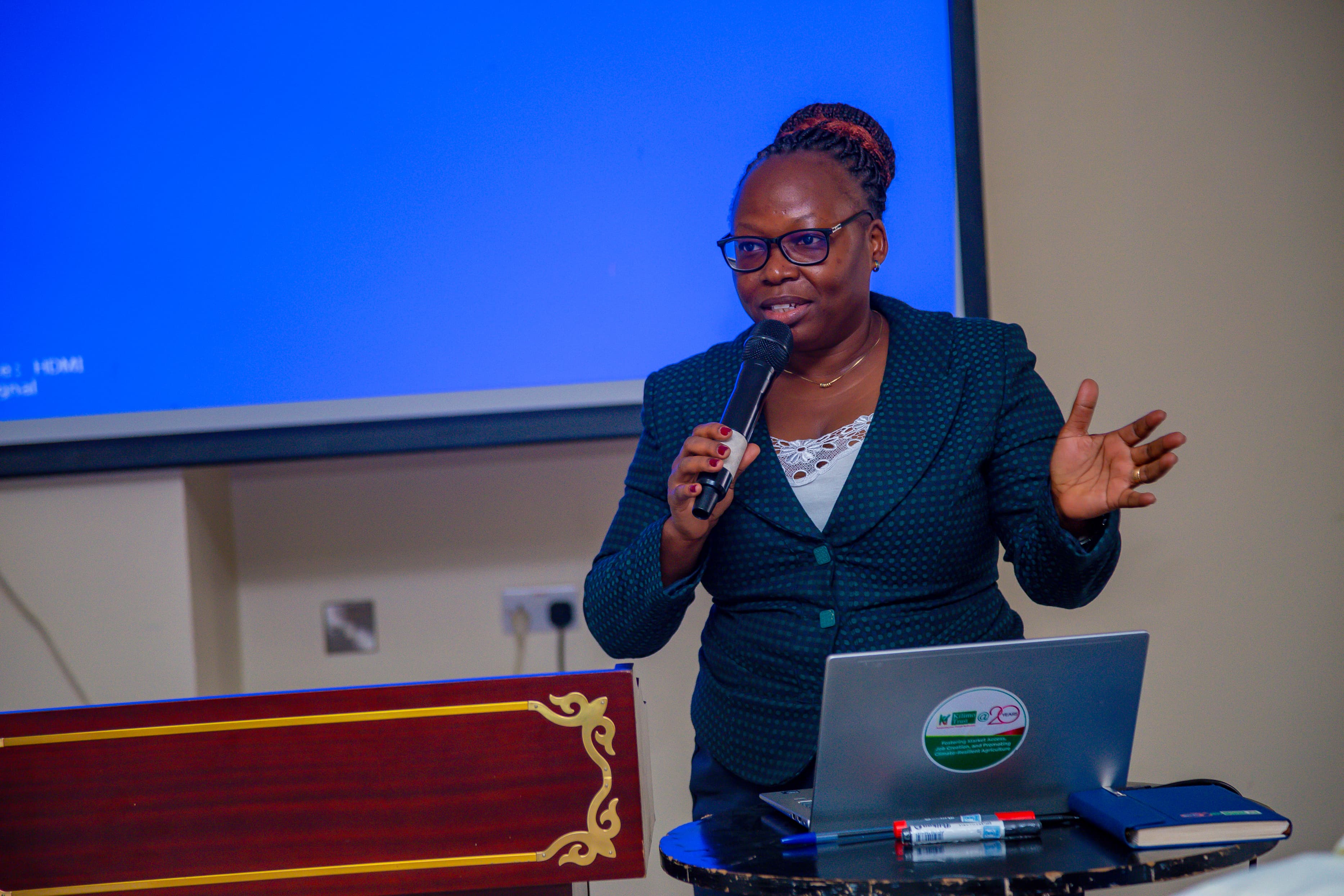
According to Kilimo Trust country team leader for Uganda Rachel Ajambo, the fisheries sector remains one of Africa’s fastest-growing industries, with a market value estimated at $22 billion (about Sh2.84 trillion) in 2024, projected to double by 2030 due to rising demand.
Ajambo said the Women and Youth Economic Empowerment in Fisheries through Inclusive Market Access (Wifima) programme, a five-year initiative running from 2024 to 2029 is designed to expand intra-African trade while ensuring inclusive participation.
“The programme aims to increase intra-regional trade in fish and fish products, improve the competitiveness of the input sector and operationalise AfCFTA by enabling commodities to move across regions,” she said.
The programme is being implemented in seven countries, including Kenya, Uganda, Tanzania, the Democratic Republic of Congo, Nigeria and Cape Verde. It targets the creation of more than 250,000 jobs for women and youth, addressing long-standing inequalities in the sector.
Despite their dominance in post-harvest handling and informal trade, women and youth continue to operate at the lowest levels of the value chain.
Kilimo Trust senior programme officer Andrew Kasera said most are confined to low-paying activities such as fish cleaning and processing, while high-value segments remain out of reach.
“Where the money is, is in the upper part of the value chain, yet women and youth are largely absent there,” he said.
Kasera said the programme is now focusing on organising women into formal enterprises, linking them to markets and building their capacity to compete at higher levels.
Charles Ogwang said improving fish quality and meeting international standards is critical for expanding market access.
He said the Kenya Fish Marketing Authority is working with stakeholders to align local production with requirements in regional and international markets, including the European Union.
“Each market has unique standards from packaging to handling and size of fish. Our role is to ensure producers meet these standards to compete effectively,” Ogwang said.
He also warned against illegal, unregulated and unreported fishing, saying it undermines sustainability and distorts trade.
Government investments in the blue economy are also expected to improve market access and reduce losses.
Kennedy Opiyo, assistant director for Fisheries and Blue Economy based in Turkana county, said major infrastructure projects are underway around Lake Turkana, including modern fish markets and improved landing sites.
“These efforts are meant to ensure fish reaches market in good condition and fetches premium prices,” he said.
Opiyo said cross-border cooperation with Ethiopia is being strengthened to address illegal fishing in the transboundary lake.
Private sector players are also stepping in to address production challenges.
Mathilda Amollo, whose company, Great Lakes Feeds, produces fish feeds and fingerlings in Bondo, said using locally sourced raw materials has significantly reduced costs.
“We have reduced the cost of fish feed by about 50 per cent by sourcing inputs locally, compared to imported feeds, which are expensive due to taxes and shipping,” she said.
Amollo said the approach has boosted fish farmers’ productivity by nearly 40 per cent, increasing their incomes.
Stakeholders say the success of the fisheries sector will depend on how effectively policies and investments translate into real opportunities for small-scale traders.
Ajambo said while men dominate infrastructure and financing, deliberate efforts must be made to integrate women and youth into profitable segments.
“It is not just about participation, it is about ensuring women and youth benefit economically from this value chain,” she said.




Comments 0
Sign in to join the conversation
Sign In Create AccountNo comments yet. Be the first to share your thoughts!