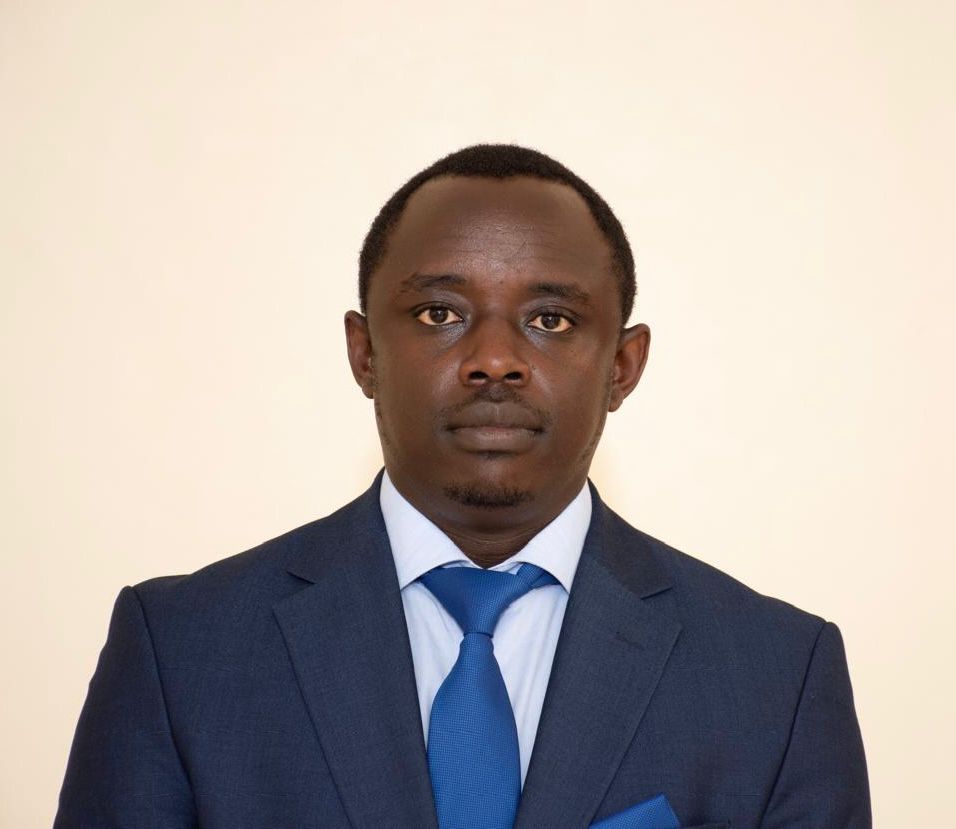
 EY Tax Manager KEVIN KIRUI
The 2026 Economic Survey released yesterday has highlighted a persistent structural reality in Kenya’s labour market.
That, while overall employment continues to grow, the bulk of the new jobs being generated are in the informal economy rather than in formal employment.
The informal sector is estimated to employ about 18.1 million people while the formal sector accounts for roughly 3.3 million people.
This is also indicative of the inability of the formal sector’s absorption capacity to keep up with the number of employable people being churned out to the labour market.
In the short run, the growth in informal sector jobs acts as a social buffer, offering the youth and low and semi-skilled workers an opportunity to earn wages and thus sustain household consumption.
This partially accounts for why the economic growth of 4.6 per cent in 2025 translated into livelihoods (jobs) for many despite sluggish formal sector expansion.
However, the dominance of informal sector job creation and growth complicates the measurement of economic impact and weakens the transmission of this growth into public revenues (through taxation) and productivity gains.
Routinely, informal activities are often underreported in GDP statistics, contribute minimally to the tax base, and are characterised by low and volatile earnings.
This limits fiscal space, undermines social protection coverage since the majority of those in the informal sector would typically not contribute to SHIF and NSSF, and constrains long-term productivity growth.
Over time, an economy where job creation is heavily skewed toward informality risks entrenching low-value-added activities and widening income insecurity.
That said, it is not that informal sector employment is inherently negative, but that policy focus must shift from job creation alone to job quality and formalisation.
Without deliberate pathways to scale, formalise, and raise productivity in these informal activities, Kenya’s growth will increasingly struggle to translate into measurable, inclusive, and fiscally sustainable economic progress.
The writer is tax manager at consulting firm EY.