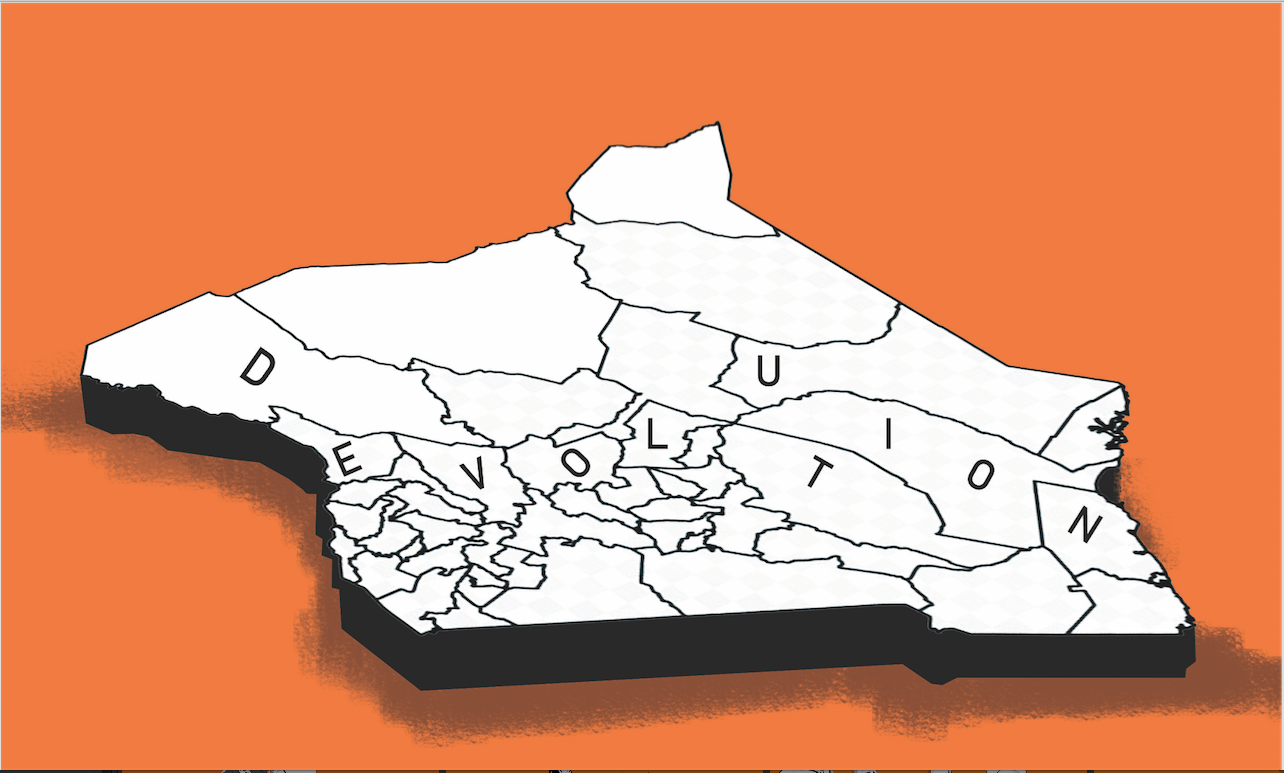
When Kenya adopted the 2010 constitution, the mandate for devolution was clear: bring government closer to the people. This new dispensation gave birth to a two-tier system of governance, decentralising power from Nairobi to 47 distinct county units.
Before devolution, access to quality public services was arguably determined by one’s proximity to Nairobi or other major urban centres that served as former provincial headquarters. Devolution was conceptualised to be the great equaliser, ensuring quality government services were not determined by urban proximity, but a right of every citizen regardless of their location.
However, over a decade into this devolution journey, the reality at the grassroots is mixed. While the 47 counties have brought services to previously marginalised areas, they continue to face several significant challenges that impact their capacity to offer quality public services.
The problem is two-fold: counties are failing to raise enough revenues at the local level, and they are spending way too much on administration rather than actual development.
Additionally, the weight of pending bills has left many counties with very little development money. This fiscal environment does more than stall projects; it creates a service delivery crisis.
The inability of counties to provide quality public services poses a threat to the future of devolution, as it risks eroding the very public trust upon which the system was built. The hard truth is that funding alone cannot fix devolution. The real missing ingredient is a system of strategic incentives.
This is the philosophy behind the second Kenya Devolution Support Program (KDSP II)—a four-year reform initiative funded by the government with support from the World Bank.
Under the programme funding rules, the normal model of budget support is complemented by a results-based financing mechanism. Under KDSPII, counties do not receive blanket allocations but must earn their resources by achieving verified governance and service delivery milestones through Key Performance Indicators.
These indicators touch on areas such as financial management, human resource management, performance management, accountability and public participation.
Under the programme, national ministries, departments and agencies implement national-level reforms designed to support county governments. Counties are incentivised to implement several key reforms through conditional grants. These grants are designed to fund high-impact infrastructure and service delivery projects.
The Level 1 or Institutional support grant is designed to incentivise and support county governments in undertaking core institutional reforms. Only after a county strengthens its internal systems and processes can it access the much larger Level 2 grants. By requiring Level 1 reforms first, the programme ensures counties establish a strong foundation before they are allowed to handle the much larger investments of Level 2.
Level 2 grants are dedicated to high-impact infrastructure projects that citizens feel and see every day. These include hospitals, water projects and roads, among others. All identified projects to be implemented must align with the County Integrated Development Plan and the County Annual Development Plan.
Pre-feasibility test is a mandatory requirement for counties seeking to fund infrastructure projects.Counties will be required to screen projects against negative climate change, environmental and social impact.
To optimise local revenue collection,the programme empowers counties to map revenue streams and develop realistic fiscal forecasts. Accurate revenue forecasting allows counties to commit only to what they can fully fund, eliminating the risk of over-commitment and accumulation of new pending bills.
To address the crisis of a bloated wage bill, counties have been supported to conduct payroll audits that will address the gaps, ensuring that only valid staff are maintained on payroll.
To confront the crisis of pending bills, counties are required to formally disclose all outstanding debts. Beyond mere disclosure, counties must implement a time-bound settlement plan for verified arrears to ensure they do not keep sinking deeper into debt.
While these initiatives are critical, they require significant political will to implement. Without external motivation and a clear reward system, such reforms often stall.
If we want the promise of devolution to be fully realised, we must move beyond merely sending money to the grassroots and start demanding value for it. When we reward results, the ultimate winner is the Kenyan citizen.
The writer is the KDSP II National Programme Coordinator, under the State Department for Devolution