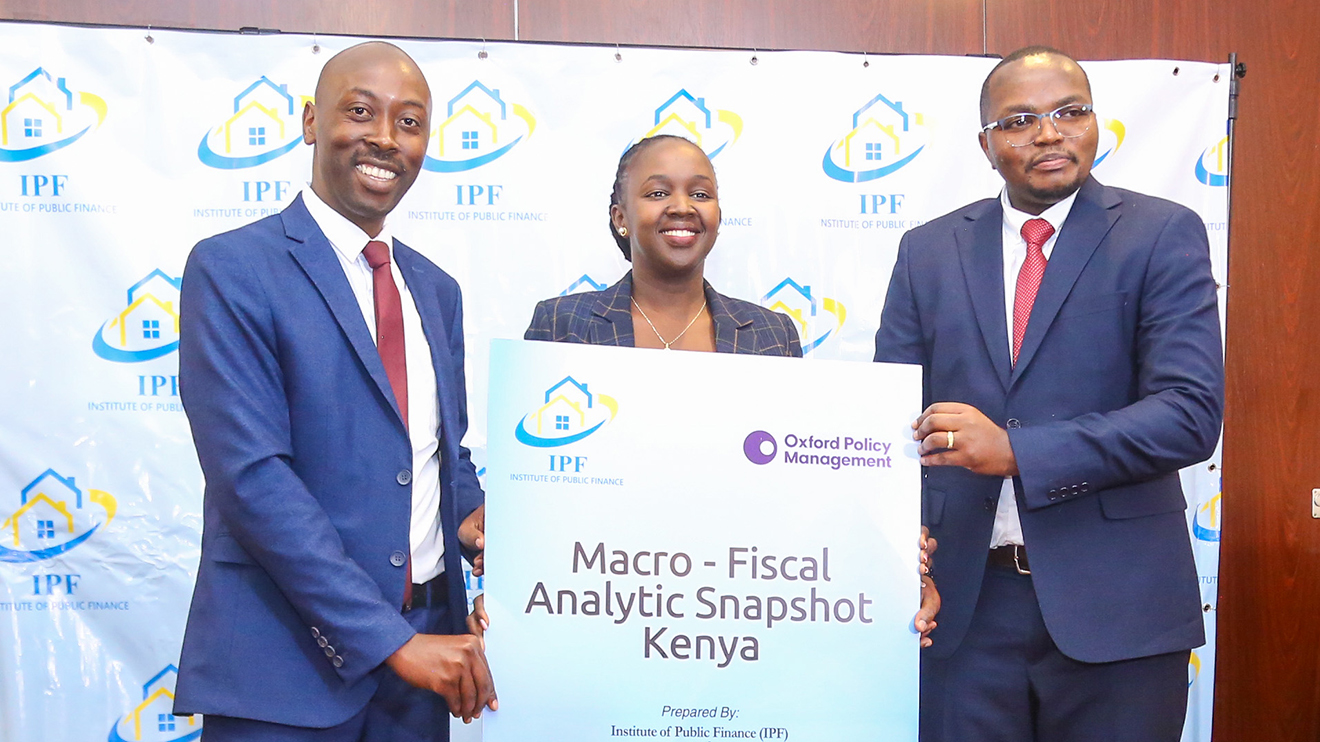
Kenya's huge borrowing is not benefiting taxpayers as more than half of the amount goes to financing recurrent debt, according to the Institute of Public Finance.
The policy research and advocacy body says out of the more than Sh1 trillion borrowed in the last financial year, less than half of the amount went to development projects such as roads, hospitals, schools and other public investments.
According to the 2026 Annual National Shadow Budget (ANSB) by the Institute, the government’s net borrowing in 2024-25 financial year stood at Sh1.03 trillion, while development spending was only Sh582.9 billion.
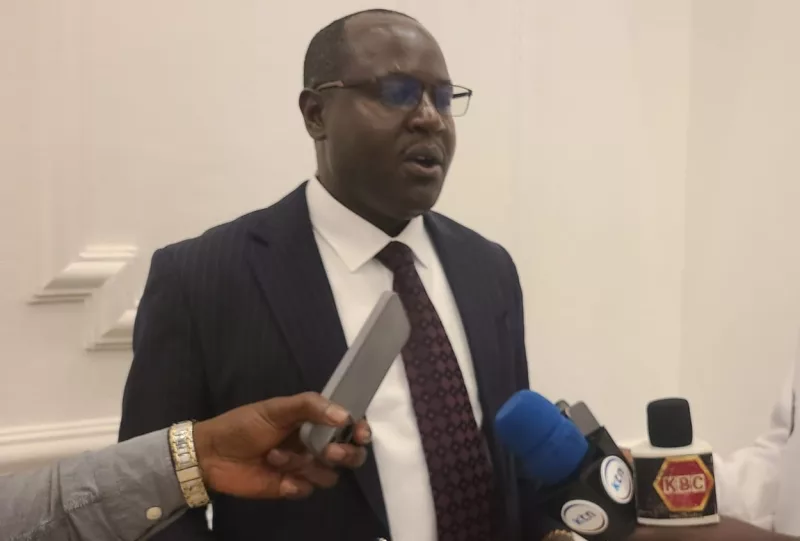
IPF CEO Daniel Ndirangu said that this implies roughly Sh451 billions of borrowed funds may have financed recurrent expenditure, including wages, administration and other day-to-day costs.
In a call to the state to restore fiscal discipline in 2026-27 budget, the think tank says treasury should refocus spending on high-impact priorities by adopting realistic revenue projections, enforcing hard spending ceilings and limiting use of supplementary budgets.
“In social protection, for example, we have multiple bursary schemes operating in parallel, leading to duplication, leakages, and inequitable access.” said Ndirangu.
TheInstitutefurtherurgesincreaseddomestichealthfinancing withaclear post-donor transition plan, stronger and more coordinated social protection systems, institutionalised gender-responsivebudgeting,andthemainstreamingofclimateadaptationfinancingacrosssectorbudgets, alongsideenhancedtransparencyandparliamentaryoversight.
The shadow budget warns that Kenya’s fiscal position is becoming increasingly strained, with rigid obligations consuming most public resources before new investments are considered.
Interest payments are projected at Sh1.2 trillion, while national government wages and salaries are estimated at Sh720.7 billion.
County transfers are projected at Sh495.5 billion. Combined, these three items alone account for Sh2.42 trillion, or more than half of total expenditure, sharply reducing room for development spending.
The shadow budget argues that Kenya’s challenge is no longer a lack of policy ideas, but the inability to finance them credibly.
“Kenya’s challenge today is not a lack of policy ambition, but a growing disconnect between what we plan and what we can realistically finance,” said Daniel Ndirangu.
Among the biggest risks flagged is what the IPF calls an overly optimistic macro-fiscal framework.
Treasury projects real GDP growth of 5.3 per cent, but the report says downside risks including election-cycle pressures, a narrow tax base and external shocks such as Middle East tensions could weaken that outlook.
The report by IPF also notes that the International Monetary Fund has revised Kenya’s 2026 growth projection downward to 4.5 per cent.
Revenue assumptions are also under scrutiny. The report says the 2026-27 financial year tax revenue target of Sh2.77 trillion may be difficult to achieve given recent collection trends and lower-than-expected tax buoyancy.
Social protection programmes are also under pressure. The report says the Hunger Safety Net Programme reaches only a fraction of households in need, while multiple bursary schemes continue to operate in parallel.
For parents struggling with school fees, fragmented support systems often mean uncertainty and delays. Some needy students miss out entirely, while others receive overlapping assistance.
Climate financing is another casualty of limited fiscal space. The report says adaptation funding has fallen from Sh11.6 billion in 2020-21 to Sh 4.3 billion in 2024-25, far below the estimated annual requirement under Kenya’s national climate commitments.
The Institute is urging Parliament to reprioritise spending toward programmes with the highest social and economic returns, while cutting duplication across government agencies and tightening controls on supplementary budgets.
It also recommends realistic revenue projections, hard spending ceilings, stronger debt transparency, and a shift toward domestic financing of essential services.