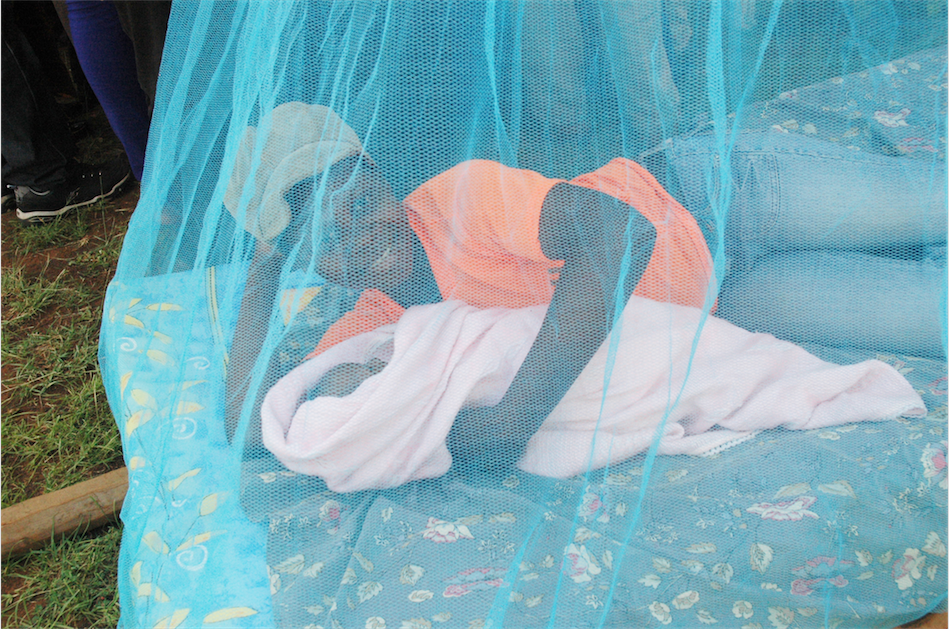
For decades, we thought we knew the enemy in malaria prevention and control. We knew when it struck, where it hid and who it targeted. But malaria is changing, and Kenya’s response must change with it. As we mark World Malaria Day under the theme 'Driven to end malaria: Now we can. Now we must', one thing is clear: Kenya can no longer rely on yesterday’s strategies alone to fight today’s malaria threat; it must innovate, strategise and prioritise.
Malaria claims about 6,000 lives globally. In places like Turkana county, families lived with a sense of safety after years of declining malaria case burden. The county was previously categorised as a low-burden, predominantly seasonal malaria risk zone. It is today characterised as a high-burden endemic county.
A new vector, Anopheles cruzii, not previously linked to malaria transmission in the region, has been identified and linked to new cases that are being recorded. Patients and facilities are reporting longer malaria episodes than before. This means that communities which once believed malaria was no longer a major threat are now facing new and growing risks, yet these vector behaviours have yet to be characterised for effective target interventions identification.
Additionally, malaria is not only a rural problem. It is in our cities. It is in our deserts. It is on our doorstep. One mosquito of growing concern is Anopheles stephensi, a malaria vector that has been shown to thrive in urban environments.
Unlike the traditional malaria mosquitoes that breed in swamps and stagnant water sources, this mosquito can breed in shallow water commonly found around homes, construction sites, water containers and drainage systems in towns and cities. What this means is that new breeding sites previously not thought to pose a problem are now considered risks for malaria development.
As urban areas in Kenya continue to grow, malaria could spread to areas where people least expect it, including towns and cities that are usually not considered high-risk areas.
For years, Kenya’s malaria risk was driven by known mosquito species and old transmission patterns. Bed nets, indoor residual spraying, testing and treatment remain essential tools and continue to save lives. But the emergence of new mosquito vectors and increasing resistance to commonly used antimalarials raise a critical question: are the current malaria interventions enough? They are necessary, but they are not as effective on their own.
Kenya now has access to new tools that can help us win the fight against malaria. One of the most promising is Seasonal Malaria Chemoprevention (SMC), where children under five are targeted with an antimalarial drug during peak transmission periods of malaria seasons to prevent infection before it happens.
Research and findings from recent post-pilot surveys have shown this approach can reduce development of malaria among young children by up to 70 per cent, making it a highly effective intervention.
Malaria vaccines are also offering new hope. The World Health Organization recently approved the RTS’s and R21 vaccines, an important breakthrough in the fight against malaria. These developments have been in the pipeline for decades, highlighting the continued innovation it has taken to even have the two approved for use.
The R21 vaccine, in particular, costs less and has shown good results, especially when co-administered with other interventions such as seasonal malaria chemoprevention (SMC) in highly seasonal malaria transmission areas or areas with perennial malaria transmission with seasonal peaks.
People are still dying of malaria in the 21st century – a disease that we have all the right tools to control and eliminate – and we do not have to accept this as normal.
Having the right tools is only half the battle. The other half is political goodwill and investment mobilisation to scale up interventions that work. That means the government must scale up interventions such as SMC and vaccines in all eligible counties and subcounties where they will save the most lives, prioritised by data and sub-national targeting.
It must build domestic financing and reduce dependence on donor funding to build sustainable health systems capable of withstanding donor funding shocks, such as the recent donor aid withdrawals witnessed across the globe.
It must invest in robust entomological surveillance systems that are responsive enough to detect new mosquito vectors early, strong public health surveillance systems that would help stakeholders understand how malaria dynamics are changing and respond in good time before outbreaks spread and annual cases increase out of control.
We owe this to every mother who has stayed awake through the night beside a sick child. We owe it to every family that has buried someone they did not have to lose. To every child who deserves to grow up without malaria as a fact of life. We have the solutions. We have the data. We have the science. What we need now is the urgency to innovate, fund it, scale it and refuse to accept that any Kenyan child should die from a disease we know how to prevent.
The time to end malaria is not someday. It is now.
Now we can. Now we must.
Research Fellow, for Malaria Interventions Modelling at the Center for Epidemiological Modelling and Analysis (CEMA) at the University of Nairobi. |[email protected]