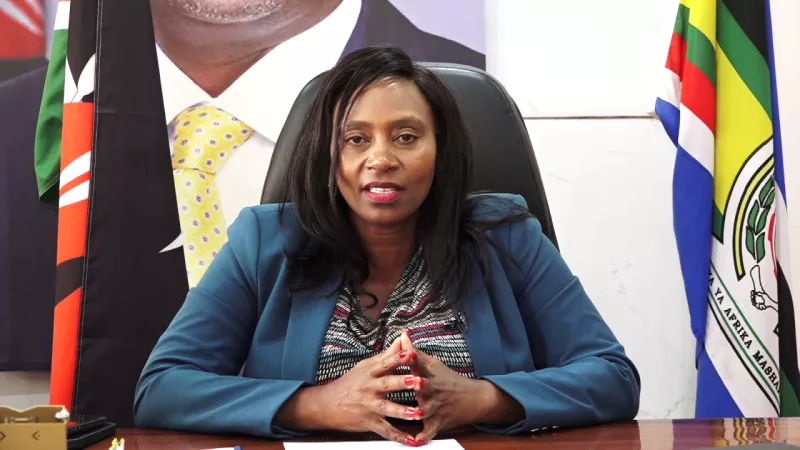
 Hannah Wendot, Gender, Culture and Social Services Cabinet Secretary, during the International Indigenous Knowledge conference held in Murang'a on April 23, 2026/ ALICE WAITHERA
 The government has started an initiative to unlock economic potential in local indigenous knowledge systems, positioning them as a new frontier for growth and investment.
Through the National Museums of Kenya, the government has launched the Natural Products Industry programme to shift the focus from preservation of heritage to its practical use in driving enterprise, innovation and livelihoods.
Stakeholders said the initiative marks a turning point in how the country values its cultural and traditional resources.
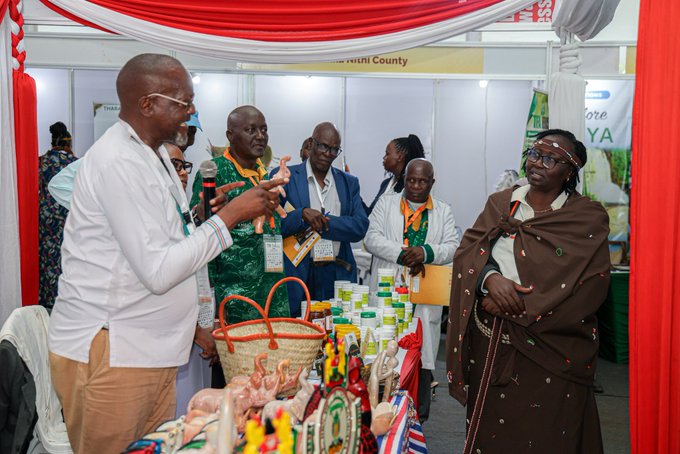
They spoke during the 1st International Investment Conference and Trade Fair on Indigenous Knowledge Intellectual Assets (IKIA 2026), held from April 21 to April 23 in Murang’a county.
The forum brought together investors, researchers, policymakers and community knowledge holders to explore ways of transforming indigenous knowledge into commercially viable products and services.
National Museums of Kenya chairperson Edwin Abonyo noted that the country is now moving beyond documentation of heritage to actual production and utilisation of indigenous knowledge.
“We are transitioning from preservation to production. This knowledge is no longer just for storage; it is something we can use to transform our economy and improve livelihoods,” he said.
The initiative builds on years of groundwork under the Indigenous Knowledge Documentation and Digitisation project, which has already captured over 800 heritage assets across 13 counties.
These include traditional foods, herbal medicine, cultural performances, heritage sites and indigenous technologies that have long existed within communities but remained largely informal and underutilised.
He said with proper research and standardisation, these remedies could complement modern healthcare systems while opening up new investment opportunities.
Abonyo observed that many of these practices were once common but have gradually declined over time. “We used to have our own foods, our own medicines and ways of living. For various reasons, we moved away from them. What we are doing now is rediscovering and refining that knowledge,” he said.
He, however, noted that challenges such as changing perceptions and ensuring communities fully embrace the programme while adequately protecting the assets will have to be addressed. He added that the foundation has already been laid.
“We have made significant progress, and now we have an opportunity to bring everything together. If we do this right, we can create a sustainable economic sector built on our own knowledge,” he said.
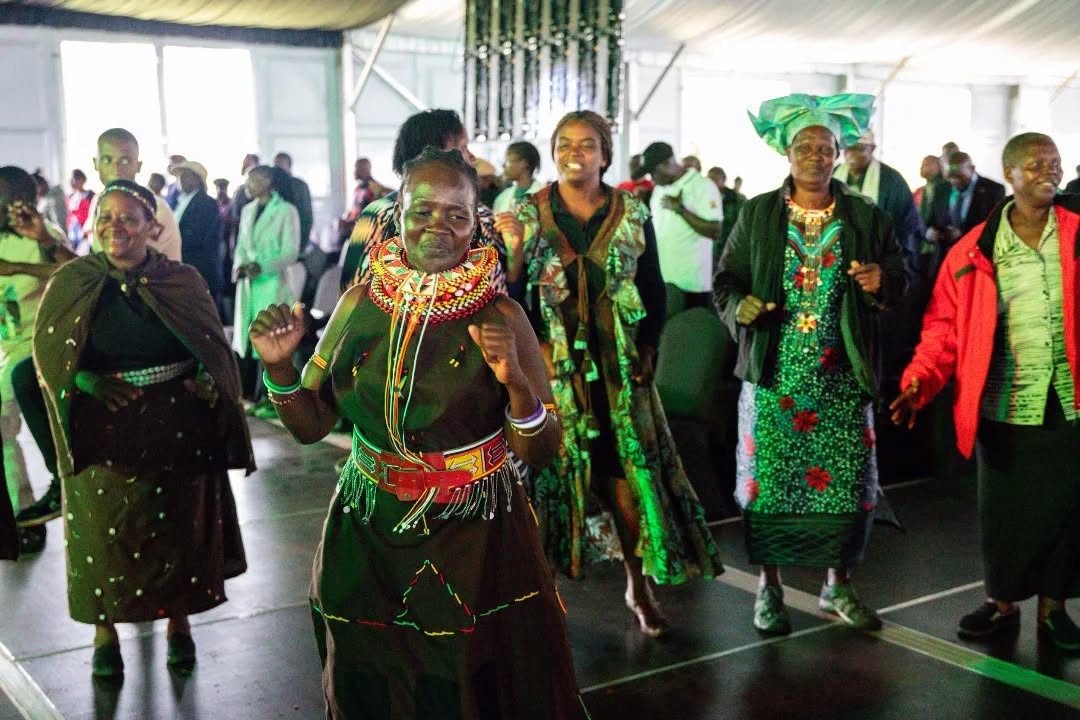 Women dressed in traditional attire dancing during the International Indigenous Knowledge conference held in Murang'a between April 21 and April 23, 2026/ ALICE WAITHERA
 Gender, Culture and Children Services CS Hanna Wendot Cheptumo said the conference signals a deliberate shift in economic thinking.
“Kenya is done leaving its own wealth hidden. These indigenous knowledge intellectual assets are not just cultural artefacts; they are economic resources capable of contributing to national growth,” she said.
At the centre of the programme is the Indigenous Knowledge Innovation Bank (InKiBank), a digital platform designed to document, protect and regulate access to indigenous knowledge.
The system allows investors to engage with communities in a structured manner, ensuring that benefit-sharing agreements are respected and that intellectual property rights are safeguarded.
Abonyo said the platform is critical in restoring confidence among communities that their knowledge will not be exploited.
“For a long time, there has been concern that indigenous knowledge can be taken and commercialised without the owners benefiting. What we are doing now is putting in place systems that ensure fairness and transparency,” he said.
The government’s plan is to integrate these assets into the formal economy through heritage-based enterprises.
This includes developing standards, conducting intellectual property audits and supporting value addition to make the products competitive both locally and internationally.
The initiative also aligns with the Bottom-Up Economic Transformation Agenda, which seeks to empower communities by building from grassroots economic activities.
The CS said indigenous knowledge offers a unique opportunity to achieve this, as it is already embedded in everyday life across the country.
Among the key areas being promoted are traditional foods and local cuisines, which are increasingly being recognised for their nutritional value.
Indigenous vegetables, fermented foods and traditional beverages are being positioned not only for domestic consumption but also for global health and wellness markets.
There is also growing interest in traditional medicine, particularly plant-based remedies, which continue to be widely used across the country.
The creative economy is another area being explored, with traditional music, dance and storytelling seen as viable cultural exports.
These art forms, she said, can be adapted for modern audiences while preserving their authenticity, offering opportunities in entertainment, tourism and education.
At the same time, heritage sites are being developed as anchors for cultural tourism.
Sites such as Mukurwe wa Nyagathanga in Murang’a and Namoratunga in Turkana are being promoted as destinations that offer immersive cultural experiences.
Cheptumo said the success of the initiative will depend on collaboration across different levels of government and stakeholders.
“We must adopt an all-government approach and ensure that counties integrate indigenous knowledge into their development plans,” she said.