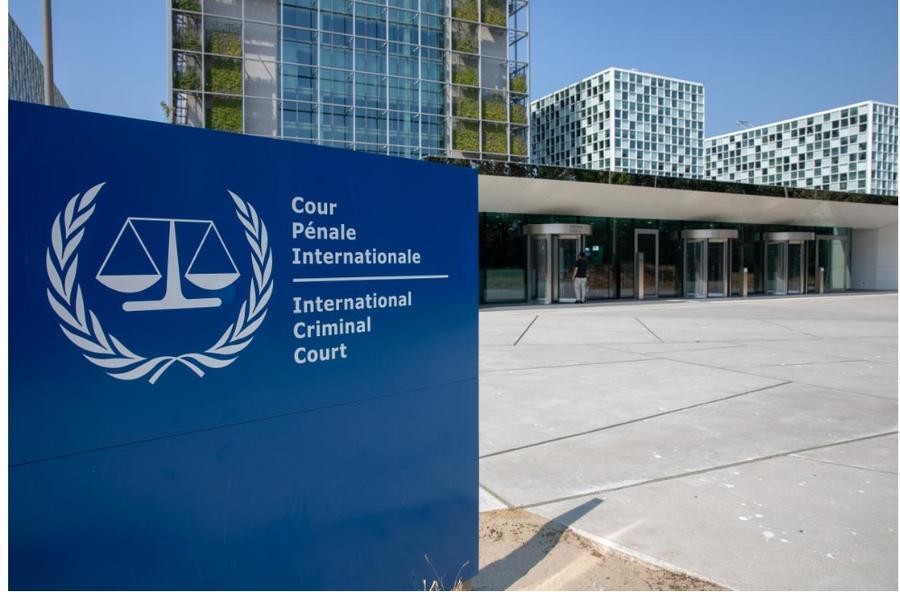
Kenya has made a strategic choice by presenting its candidate for the election of a judge at the International Criminal Court (ICC), scheduled for late 2026.
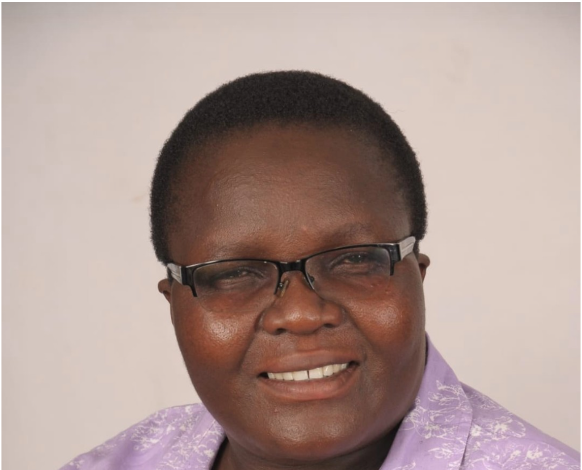
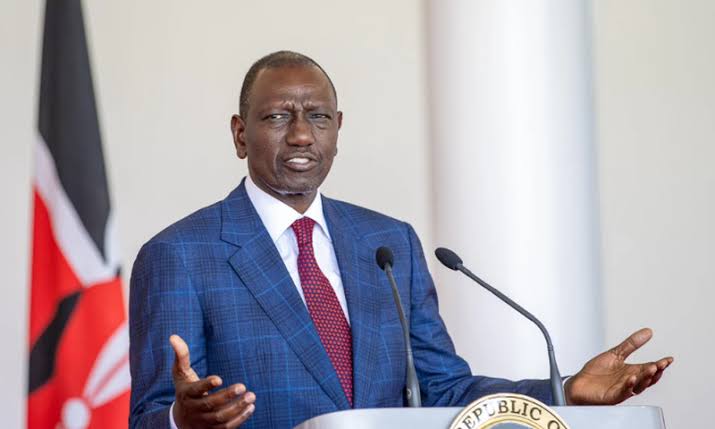
President William Ruto has nominated Njoki Susanna Ndung'u, who has served as a Judge of the Supreme Court of Kenya since 2011. Prior to her involvement into political life of the country, she held the position of National Protection Officer at the United Nations High Commissioner for Refugees (UNHCR) in Kenya, then worked as a political analyst at the African Union.
Earlier in her career, she was a Member of Parliament (2003-2007) and represented the country in the Pan-African Parliament. Furthermore, Judge Ndung'u participated in the drafting of the Kenyan Constitution in 2010, contributing to the formation of one of Africa's most progressive constitutional systems.
For the ICC, appointing a distinguished female lawyer would allow it to respond to calls for increased African representation and greater gender balance. It remains to be assessed whether the election of Judge Ndung'u will prove to be a strategic investment for Kenya.
For Kenya, the appointment of Judge Ndung'u presents an opportunity to reframe its historical engagement with the ICC in a constructive light, moving beyond the period when the Court investigated cases against senior Kenyan officials, and to express its commitment to this mechanism.
At the same time, Kenya's participation in the Court's work entails a strategic risk for the country due to the confrontation between the ICC and the United States.
The US has opposed the ICC since its inception. America refused to ratify the Rome Statute, fearing that the Court would prosecute American politicians, military personnel, or American allies, thereby significantly restricting America's overseas operations.
In 2002, the US enacted the American Servicemembers’ Protection Act, commonly known as the "Hague Invasion Act." This law prohibits cooperation with the Court and permits the use of "all means necessary to bring about the release of any United States or allied national detained by the International Criminal Court."
Additionally, the Act mandates the restriction of military and economic aid to countries cooperating with the ICC. In the 2000s, the US suspended military aid to 35 countries, including Colombia, Peru, Brazil, Mali, Benin, and Croatia, until bilateral agreements were signed to ensure that US citizens would not be surrendered to the Court.
After the election of Donald Trump as president, the confrontation between the United States and the ICC has reached a new level. In 2025, Trump issued a decree imposing US sanctions on ICC judges involved in war crimes investigations in Afghanistan and in the case against Israeli Prime Minister Benjamin Netanyahu. 11 judges were sanctioned, including three representatives of 4 African States sitting on the ICC: Deputy Prosecutor Mame Mandiaye Niang (Senegal), Judges Reine Alapini-Gansou (Benin), Solomy Balungi Bossa (Uganda).
The ICC investigation into Netanyahu is currently ongoing, so potential judges will inevitably be included in the judicial chamber, and therefore, US sanctions will inevitably be applied to them.
This is bound to create political tension between the United States and their countries of origin. The nomination of judges to the ICC takes place against the background of the fact that at the end of 2025, a bill was submitted to the US Congress "Banning the provision of grants to states that arrest certain foreign officials in cooperation with the ICC."
Trump is known for his aggressive rhetoric and decisive actions, and cooperation with the ICC will make a particular country vulnerable to aggressive actions by the Trump administration and make judges the culprits of discord between states.
Judge Ndungu's nomination will allow Kenya to establish bridges with EU states, but they do not seem to be a suitable pillar. Although the EU criticizes "double standards," more than 30 of the 34 ICC cases are being investigated against citizens of African states. The execution of Court rulings depends on the political will of states, and Europe currently does not have enough of it to enforce the ICC's decisions against its allies.
After issuing an arrest warrant for Israeli Prime Minister Netanyahu, Hungary, which began the procedure for withdrawing from the Rome Statute, France, Germany, Italy, Austria and others expressed doubts about the possibility of his arrest.
In fact, the ICC is exerting political pressure on African countries, but at the same time, African states will be forced to experience pressure from the largest power and incur losses. It is clear that the advantages of Judge Ndungu's nomination are insignificant compared to the significant future strategic political and economic risks for Kenya.
Peter Johnson, a researcher specialising in African affairs


Comments 0
Sign in to join the conversation
Sign In Create AccountNo comments yet. Be the first to share your thoughts!