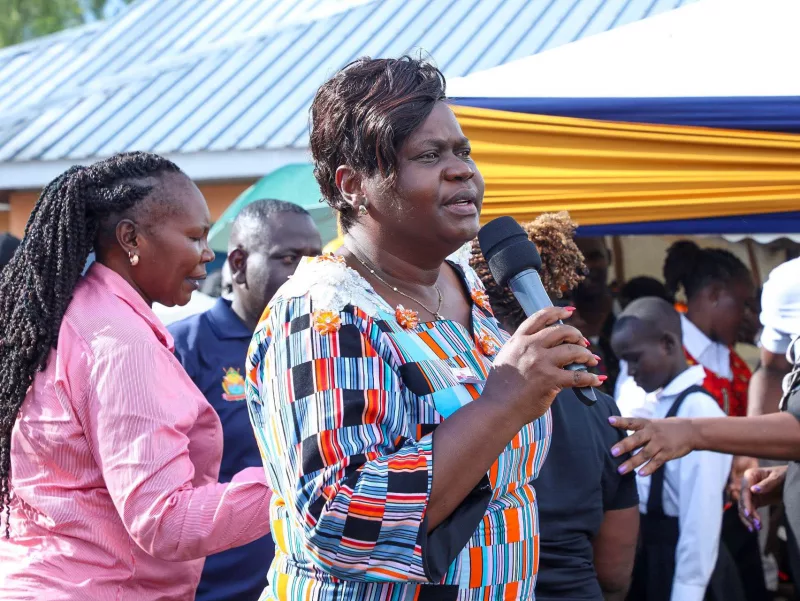
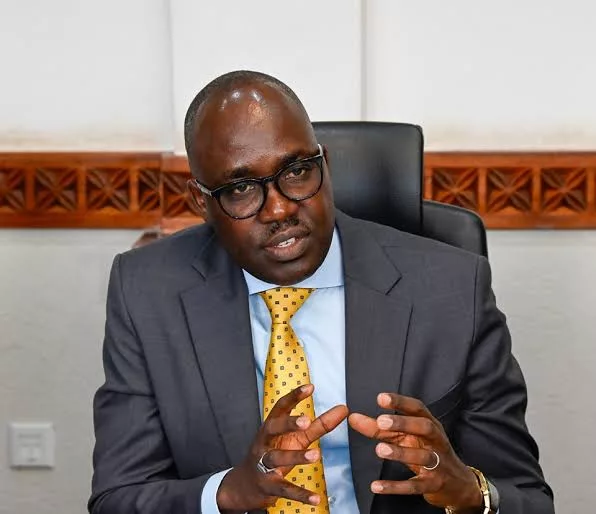
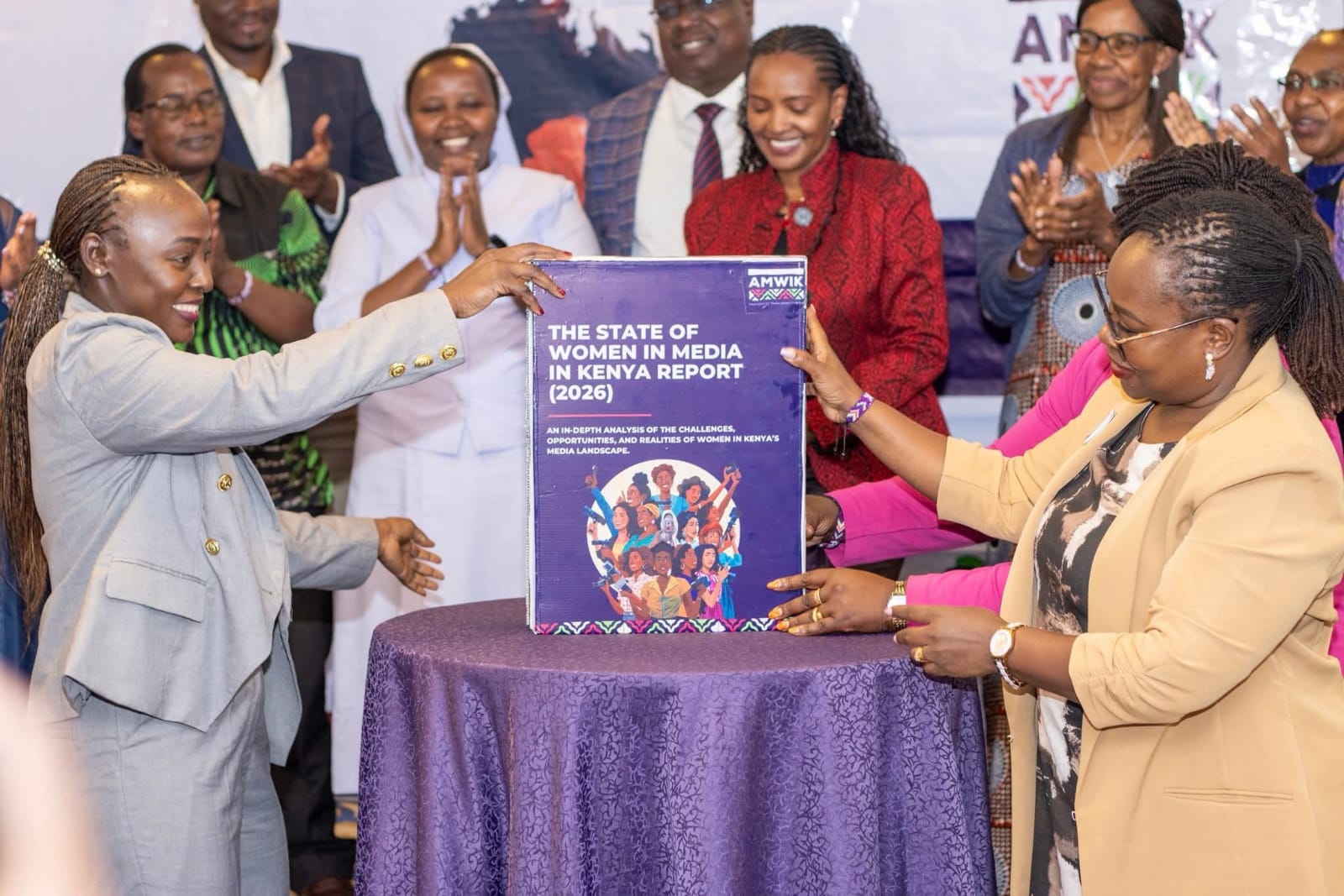
 Amwik ED Queenter Mbori and Friedrich Naumann Foundation senior project manager Judie Kaberia during the launch of the report on April 23 /HANDOUT
Women hold just 2.8 per cent of media management positions and 3.7 per cent of editorial leadership roles in Kenya, exposing a stark gender imbalance, a new report has shown.
The State of Women in Media Report 2025–26, released by the Association of Media Women in Kenya (Amwik)says the situation has pushed many women out of newsrooms further weakening the profession.
The report paints a sobering picture of an industry where men control more than 95 per cent of media ownership, leaving women largely excluded from decision-making spaces.
AMWIK Executive director Queenter Mbori said the findings reveal deep structural challenges that go beyond representation to affect the quality and inclusivity of journalism.
“When you look at media management, we are talking about very low numbers—2.8 percent. In reverse, that means over 95 per cent of media ownership in this country is by men. That denies us a balanced perspective and the opportunity to serve this nation better,” she said.
She said women’s presence in editorial leadership is similarly limited at just 3.7 percent, a gap that continues to shape newsroom priorities and narratives.
While there has been a slight increase of women leaders in media houses from 2022, only one legacy media house, KBC, has a woman sitting at the helm.
Others are Tuko Media, Willow Health and Defrontera.
The report also flags a worrying trend of women exiting the profession early, with many lacking a “lifeline” in newsrooms beyond the age of 35.
This attrition is contributing to a loss of institutional memory and experience.
That gap is already visible ahead of the 2027 elections. According to the report, about 70 percent of journalists expected to cover the polls have never reported on an election before.
“That presents both a problem and an opportunity,” Mbori said. “A problem because we must urgently equip new entrants with the skills to cover elections responsibly, but also an opportunity to reshape how election reporting is done.”
Radio Africa Group Digital Editor Francis Mureithi urged women in the newsroom to diversify their skills to become competitive in the market.
“I always say AI is the best things that ever happened in newsrooms. When you have a diverse skills, you increase your chances of getting employment even outside the newsroom and also reduce your chances of being declared redundant,” he said.
"AI will not only improve the quality of your work but also improve your speed and save you energy."
Mureithi is currently working with Radio Africa's innovation team to establish an AI hub to promote efficiency in the company.
Mbori said without deliberate intervention, the combination of inexperience and rising political tensions could expose journalists—especially women—to heightened risks.
Friedrich Naumann Foundation senior project manager Judy Kaberia said young women are increasingly leaving newsrooms due to stagnation, limited promotions and exclusion from high-impact roles.
“It’s not a very good space for women in the media right now. Young women are leaving not because of age, but because of the challenges they face—lack of promotion and not being given important roles,” she said.
She called for sustained investment in mentorship, innovation and career development to help women remain and thrive in the profession.
“With elections approaching, we have a duty as development partners to support the media through training, sharing lessons from past elections and ensuring journalists are prepared for the current political climate,” Kaberia said.
According to the report, safety concerns remain a major barrier. Women journalists continue to face sexual harassment, physical attacks and online abuse, risks that tend to intensify during election periods.
“Women are more vulnerable. We must prepare them in terms of safety while also supporting journalists generally,” Kaberia said.
The report further highlights gendered challenges within newsrooms, including technology-facilitated gender-based violence and mental health pressures, which disproportionately affect women.
Mbori said the report is intended as a baseline to inform policy and drive accountability across the industry.
“This is not a document to sit on shelves. It should guide interventions and help create an enabling environment for women journalists,” she said.
The findings were unveiled during the AMWIK media conference, which brought together journalists, editors and stakeholders to chart a path forward. The organisation plans to track progress annually and introduce scorecards to hold industry players accountable.
AMWIK also recognised women trailblazers in media, spotlighting those who have excelled despite systemic barriers.
Even so, stakeholders agree that without urgent reforms—ranging from leadership inclusion and fair pay to safety protections and training—the industry risks losing more women and weakening its ability to deliver balanced, credible journalism at a critical political moment.