
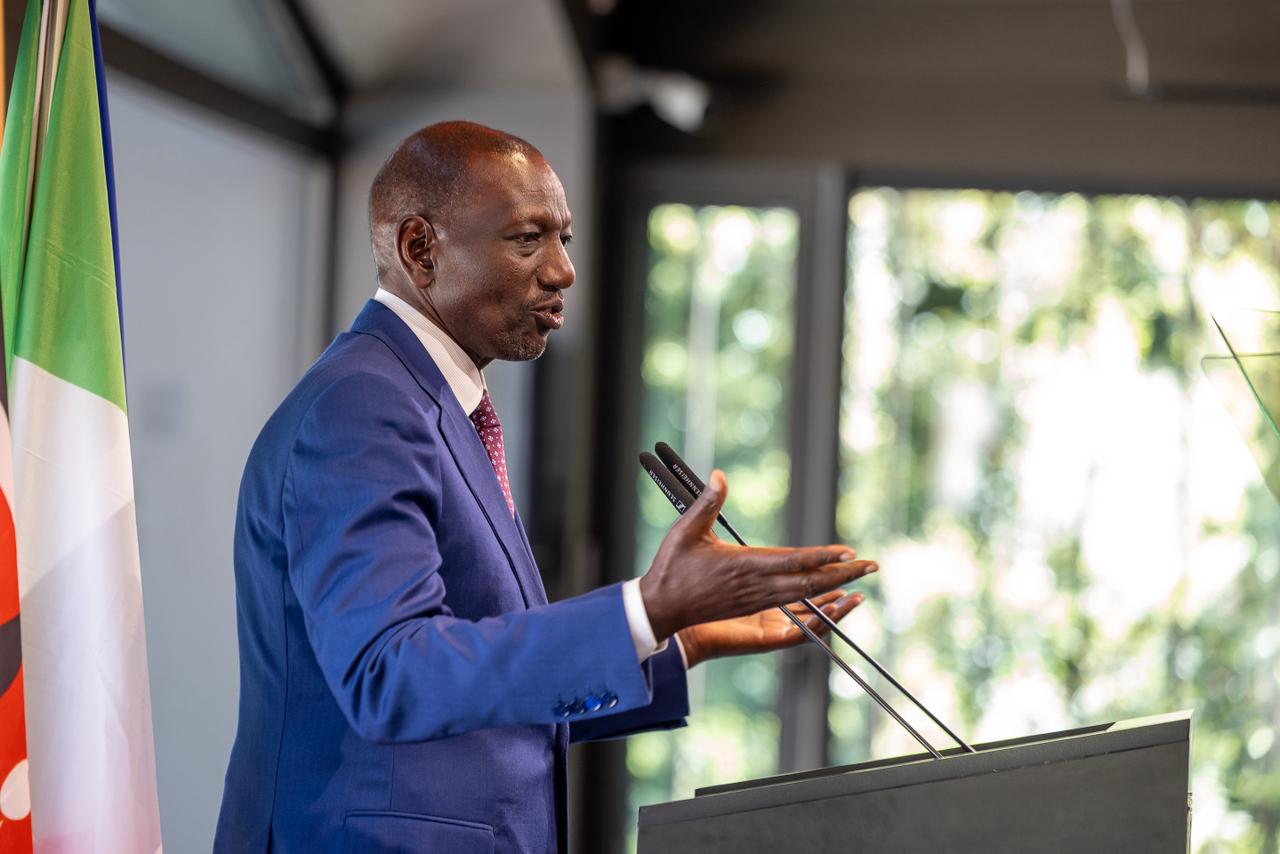
 President William Ruto speaking during a public lecture at the LUISS School of Government in Rome on April 21/PCS
President William Ruto has called for urgent reforms to the global financial system, arguing that it continues to disadvantage African countries through high borrowing costs and structural biases.
Speaking during a public lecture at the LUISS School of Government in Rome on April 21, Ruto said the current global financial architecture was designed for a different era and no longer reflects the realities of developing economies.
“Today, African countries face disproportionately high costs of capital, not always due to underlying fundamentals, but as a result of structural biases in global risk assessment,” he said.
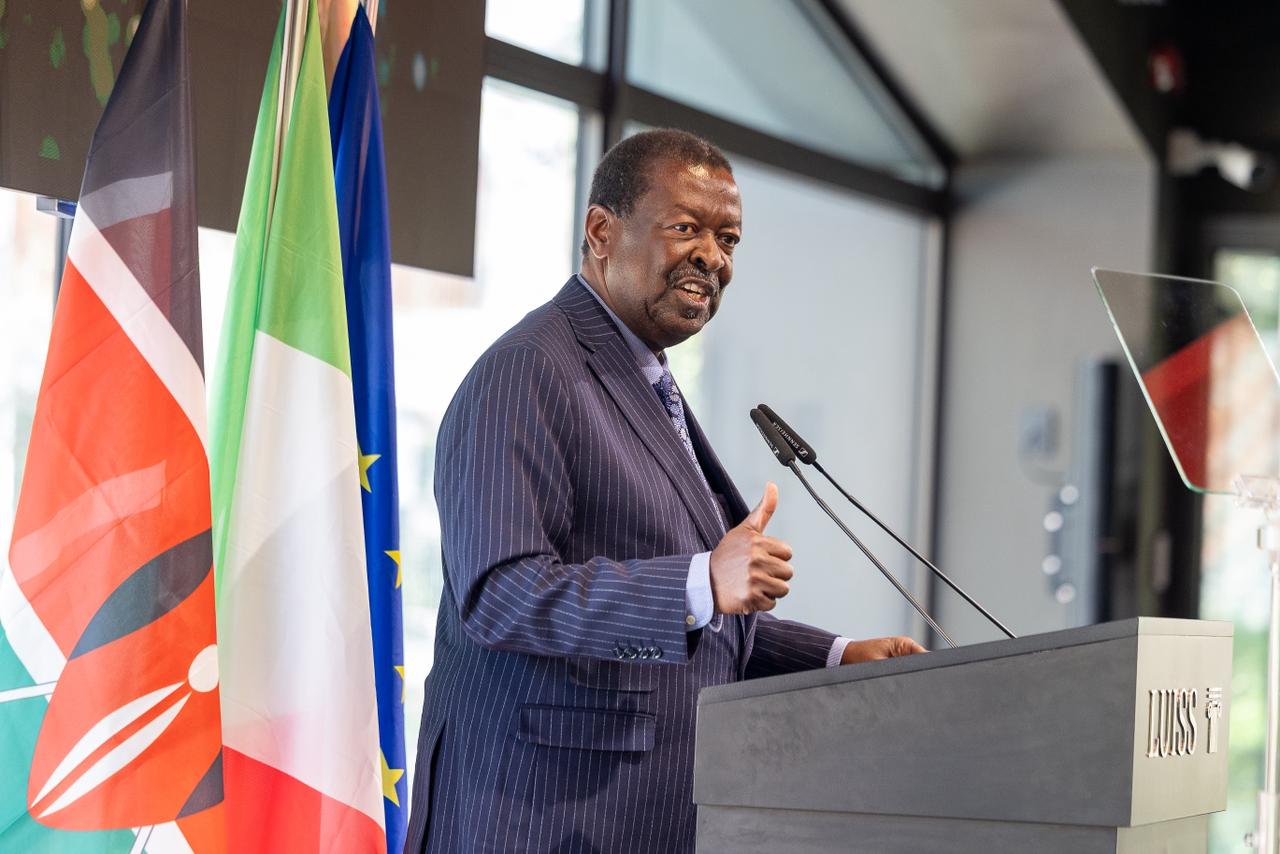 Prime CS Musalia Mudavadi speaking during a public lecture at the LUISS School of Government in Rome on April 21/PCS
“The result is a persistent risk premium that raises borrowing costs, limits investment and slows development,” Ruto said.
He cited findings by global institutions indicating that African countries frequently pay higher interest rates than advanced economies, even where debt levels are comparable or lower.
“In times of crisis, we have witnessed abrupt credit rating downgrades, sometimes preceding actual defaults, triggering capital flight and further constraining fiscal space,” he said.
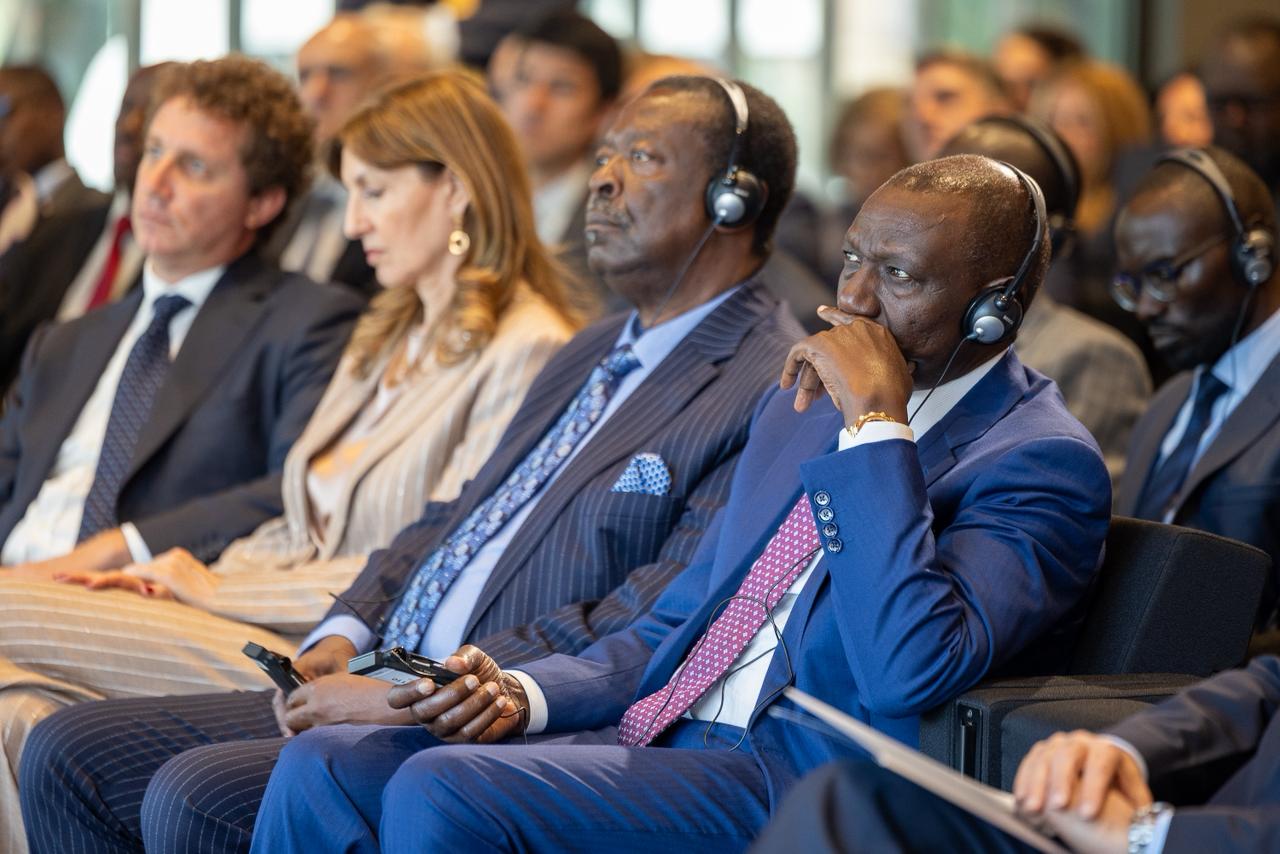 Prime CS Musalia Mudavadi and President William Ruto follow proceedings during a public lecture at the LUISS School of Government in Rome on April 21/PCS
“More than ever before, a more just, balanced and responsive global financial system is an absolute imperative,” he said.
“This is not a call for concession. It is a call for fairness, for accuracy and for a system that is truly global in both design and outcome.”
The President warned that failure to reform the system risks trapping developing countries in a cycle where those most in need of capital remain least able to access it.
“Without such reform, we risk perpetuating a cycle in which those who most need capital to grow remain those least able to access it,” he said.
Ruto said equitable access to affordable financing would be critical in supporting Africa’s development, particularly as countries seek to invest in infrastructure, climate action and industrialisation.
Ruto said the call for reform comes at a time when the global order is undergoing significant shifts, with conflict, climate change and technological disruption placing new demands on economies.
He noted that traditional systems of trade, finance and security are increasingly strained, yet many developing countries remain bound to frameworks that do not adequately reflect current realities.
“We are living through a period in which many of the certainties that have defined the global order for decades are faltering,” he said.
The President argued that Africa must be viewed not as a risk, but as an opportunity, pointing to its growing population, expanding markets and untapped economic potential.
He cited the African Continental Free Trade Area (AfCFTA) as a key platform for unlocking growth, noting that it brings together a market of over 1.4 billion people with a combined GDP of about $3.7 trillion.
Ruto said strengthening intra-African trade and investing in value addition would be critical in shifting the continent from a reliance on raw material exports to a more industrialised and competitive economy.
He also highlighted the need for increased investment in climate action, noting that while Africa is among the most affected by climate change, it receives a disproportionately small share of global climate finance.
“Climate leadership must be measured not by declarations, but by results,” he said, calling for a scaling up of financing to support adaptation and clean energy transitions.
The President emphasised that Kenya is positioning itself as a hub for innovation and investment, citing its advancements in digital technology and renewable energy.
He said the country is leveraging partnerships with both domestic and international investors to drive infrastructure development and economic growth without placing undue pressure on public finances.
Ruto reiterated that Africa’s progress is closely tied to global stability, warning that continued exclusion from fair financing systems could undermine both regional and international development.
“When we create opportunities in Africa, we strengthen global markets, enhance stability and build shared prosperity,” he said.







