
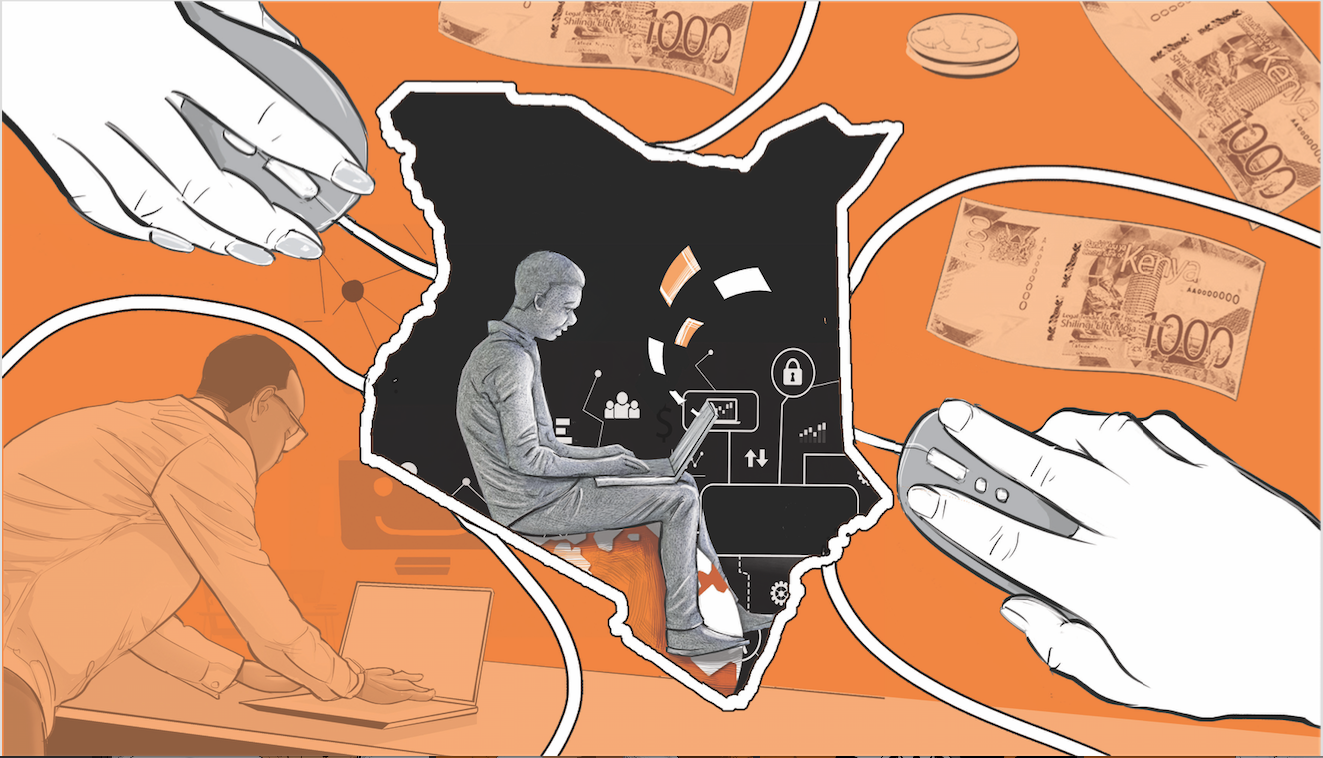
 Youth and innovation. LMICs invest heavily in education, only to lose their best minds to systems that reward innovation elsewhere.
While health conferences tout “innovation” as the panacea for broken systems, the ground realities are fragmented systems, underinvestment, and missed opportunities.
In LMICs, health innovation is often shackled by donor checklists from projects born from the whims of funding cycles. External dependency produces pilot projects that bloom briefly but die quietly once funding ends. Consider mobile health applications across Africa backed by donors but disconnected from public health infrastructure. When the funding dries up, they evaporate.
LMICs don’t lack creativity; they are overflowing with it. But systems fail to recognise and elevate low-cost, high-impact solutions. Frugal innovation—making the most of minimal resources—thrives in silence, unaided by policy, funding, or infrastructure. From Steven Johnson's book "Where Good Ideas Come From", good ideas germinate slowly through "slow hunches" requiring incubation over time rather than sudden "Eureka" moments.
Across LMICs, the absence of investment in research and development results in ideas dying in the womb. Sub-Saharan Africa invests less than 1% of its GDP in R&D, against the global average of 2.3%. What little funding exists is tied to externally dictated research agendas that rarely prioritise locally driven innovation or needs.
In Africa, a low-cost neonatal incubator prototype designed locally stalled because no local funding body existed to support it. When innovations cannot move beyond early-stage development, the pipeline dries up, literally, the valley of death. Without investment in R&D, LMICs remain consumers of innovation rather than producers, importing expensive non-compatible solutions.
When great ideas emerge, they are suffocated by fragmented systems and institutional neglect. LMICs lack innovation ecosystems, spaces where innovators can collaborate from ideation to scale-up. In East Africa, innovation space is illustrative; multiple mobile maternal health solutions have been piloted with no scale-up.
Without coordinated testing platforms, procurement pathways, or regulatory clarity, these ideas expire before impact. Contrast this with Rwanda’s collaboration with Zipline for drone-based medical deliveries, where political will, regulatory agility, and private sector collaboration created the right ecosystem for innovation to thrive. Such models remain the exception, not the norm!
Worse still, the intellectual energy of innovators migrates abroad, contributing to the continent’s innovation brain drain. In most LMICs, policymakers are disconnected from researchers, health systems ignore innovators, and academic institutions receive no incentive to collaborate across sectors. Without a fertile ecosystem, innovation remains a stunted tree struggling to grow.
LMICs invest heavily in education, only to lose their best minds to systems that reward innovation elsewhere. Talented health professionals and tech entrepreneurs often leave due to stagnation, lack of opportunity, or political interference. Lead developers emigrate due to professional marginalisation, with institutional continuity plans. The brain leaves, and so does the innovation. What a leak in talent?
In most LMICs, regulatory systems are designed to gatekeep imports, not to cultivate invention. Licensing is slow, guidelines are vague or outdated, and intellectual property protections are weak and expensive.
Local innovators navigating approval is like walking a tightrope blindfolded. Meanwhile, European platforms offering similar services are fast-tracked under bilateral arrangements, resulting in the suffocation of local innovation under bureaucracy, while foreign solutions arrive wrapped in ribbon.
LMICs refuse to procure the very innovations developed within their borders. Local products must clear more hurdles than imports, despite being more affordable and culturally attuned. During the COVID-19 pandemic, manufacturers in LMICs produced affordable WHO-standard PPEs and sanitisers, but no orders at home. In Senegal, a $1 locally developed COVID-19 rapid test faced hesitancy in procurement locally.
Reverse innovation—exporting solutions from LMICs to high-income countries remains rhetorical. Innovations from LMICs rarely make it to global markets due to structural biases in international procurement, stringent IP regimes, and regulatory scepticism. African engineers developed cost-effective emergency ventilators during the COVID-19 pandemic. But no procurement body in the Global North took it seriously. The lesson: you can innovate, but don’t expect the world to care.
Innovation in LMICs is not absent. It is abundant, but orphaned, undernourished, and undervalued. For it to thrive, LMICs must stop treating innovation as a series of donor-funded sprints and start building long-term systems for endurance. That means investing in R&D, creating test beds in local hospitals, designing procurement systems that reward homegrown solutions and valuing frugal ingenuity as much as polished platforms. Innovation must be something we grow with our hands, rooted in our own soil, solving our own problems, and inspiring the world.
Dr Mugambi is a health leadership scholar at the University of Oxford’s Saïd Business School and the Nuffield Department of Primary Care Health Sciences.


![Africa CDC Director General Dr Jean Kaseya at a past event. [Photo: Arthur Mbuguah, WHM]](https://cdn.radioafrica.digital/image/2026/10/8ced213c-affb-4dff-97ca-1b6bac1f958e.webp)