Polycystic Ovary Syndrome (PCOS) remains a significant health challenge characterised by a fundamental hormonal imbalance where the ovaries produce an excess of certain hormones.
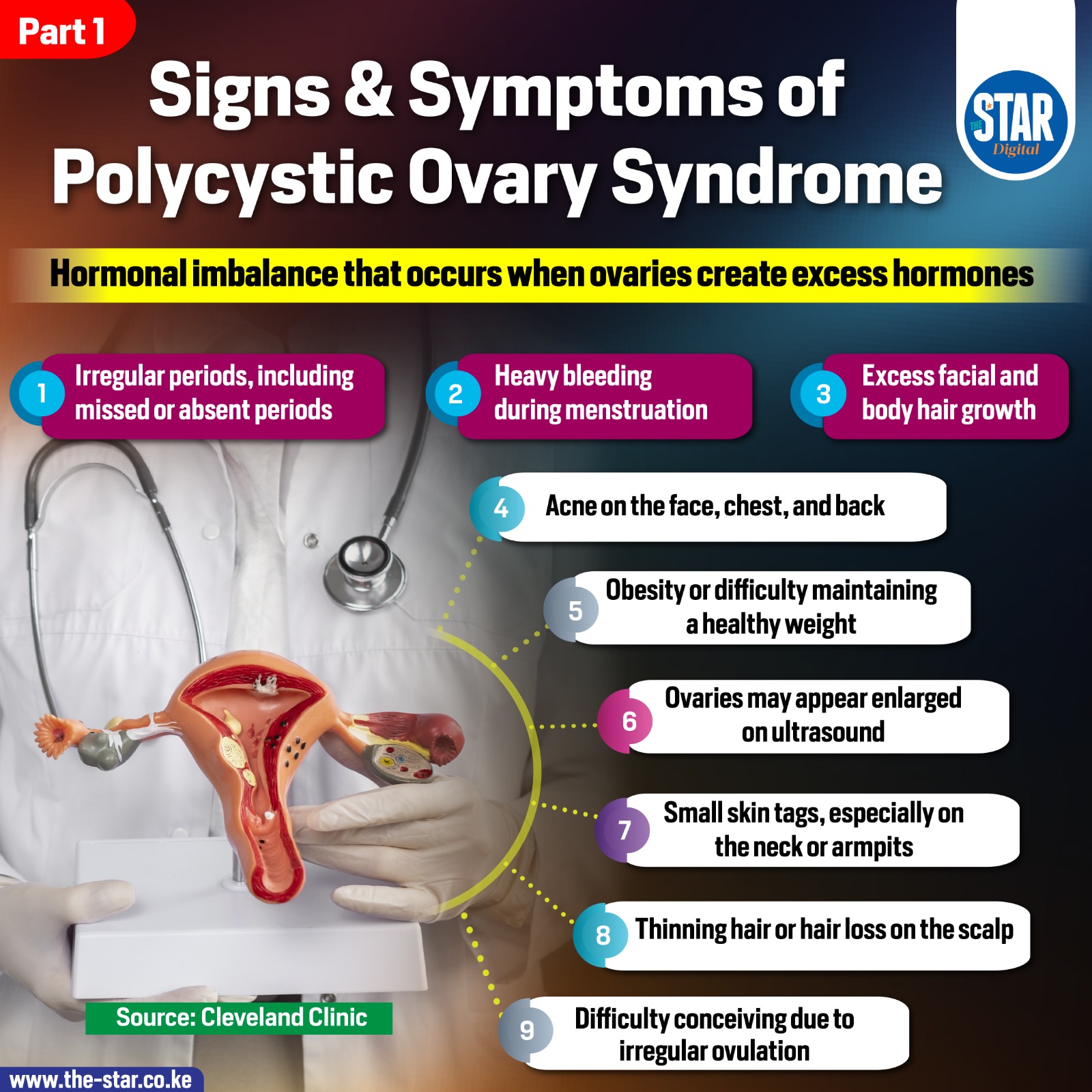
This condition manifests through a diverse range of physical signs that often disrupt the daily lives of those affected.
Primarily, individuals may experience irregular menstrual cycles, including missed or entirely absent periods, alongside episodes of heavy bleeding.
Beyond reproductive health, the syndrome often presents visible external symptoms. These include persistent acne on the face, chest, and back, as well as excess facial and body hair growth.
Conversely, some may experience thinning hair or hair loss on the scalp. Metabolic indicators also play a role, with many facing obesity or significant difficulty maintaining a healthy weight.
Medical examinations often reveal small skin tags around the neck or armpits and enlarged ovaries during ultrasound scans. For many, the most distressing symptom is the difficulty in conceiving caused by irregular ovulation.
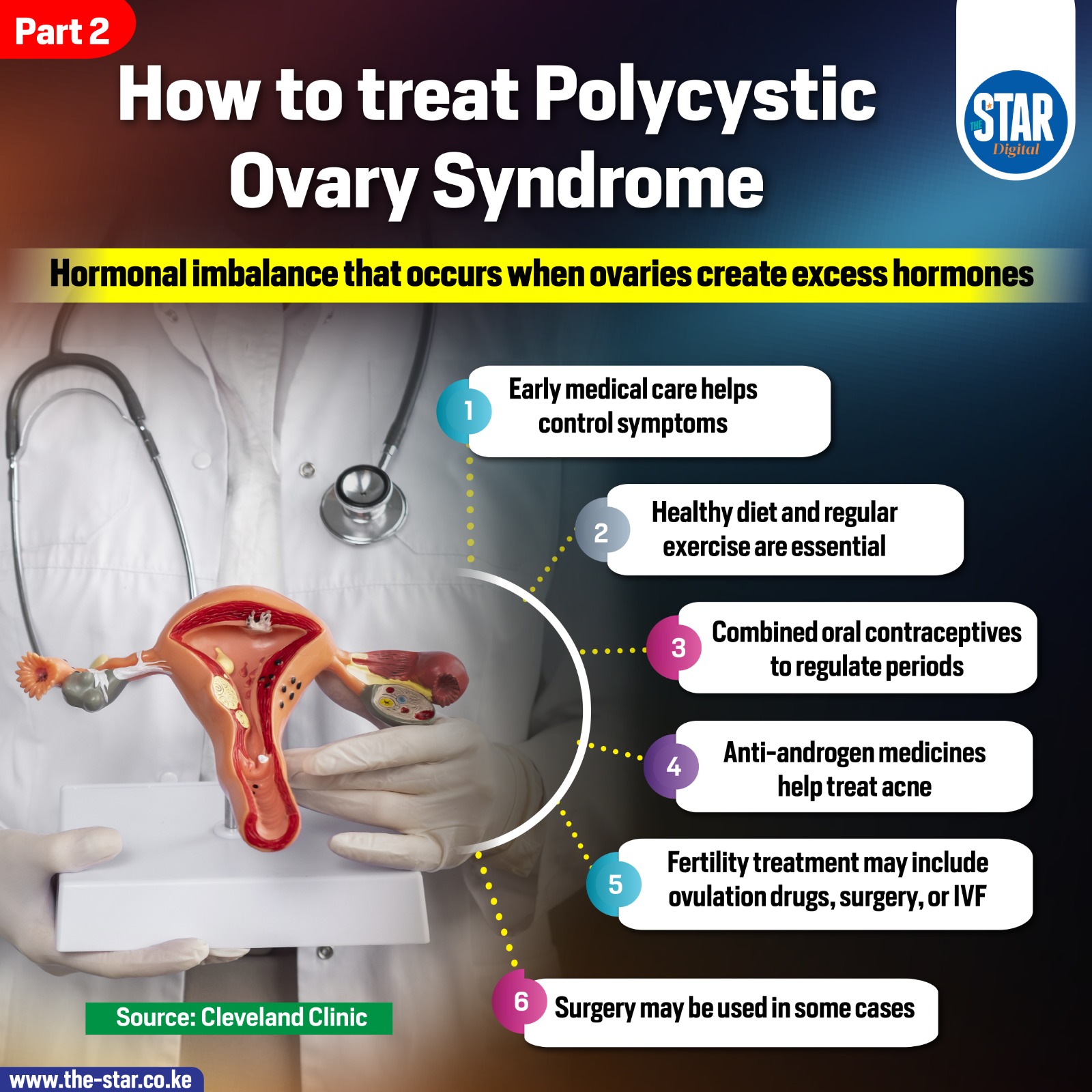
Managing PCOS requires a multifaceted approach starting with early medical care to control symptoms effectively. Lifestyle modifications, specifically a healthy diet and regular exercise, serve as the essential foundation for long-term health.
Clinical interventions often involve combined oral contraceptives to regulate periods and anti-androgen medicines to target acne. For those seeking to start a family, fertility treatments including ovulation-inducing drugs, IVF, or specialized surgery are available.