In Kenya, conversationsabout retirementalmost alwaysbegin – and oftenend – withmoney. Haveyousavedenough?Willyourpensionlast?Shouldyou buildahomeupcountry?These areimportantandnecessaryquestions.Buttheyarealsoincomplete.Whilefinancialsecurity is very important, money alone does not guarantee a fulfilling, meaningful, or satisfying retirement.Itis also important to payattentionto non-financialfactorssuchasidentity and meaning in retirement.
For many retirees, there is a deeper, quieter transitionthat people are unprepared for—the changein one's identity.Formostofouradultlives,workgivesusaready-madeanswerto thequestion,“Whatdoyoudo?”Generally,werespondwithease:“I’manengineer.”“I’ma teacher.”“I’macivilservant.” Often,weevengofurther,definingourselvesbyourtitlesand rank, such as director,manager, chairman, thereby allowing our roles/titles to identify who we are through most of our adult lives.
Your job is not just what you do between 8am and 5pm. It shapes your routine, your social world, yoursenseofworth andhowothersperceiveandtreatyou.Yourtitle/jobbecomesshorthand for your value in society. Then one day, the emails stop coming, the meetings end, the office ID is handed in and the office door closes.
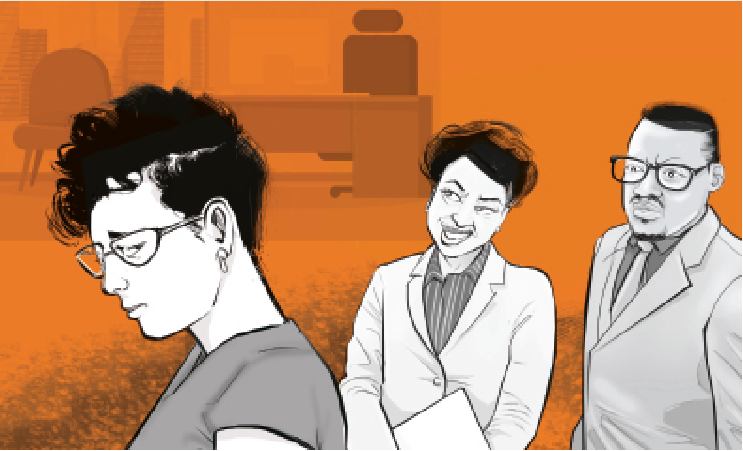
Suddenly, many retirees find themselves quietly wrestling with a new question: Who am I nowthatI haveretiredandnolongerholdmyoldtitle orposition?Formany,whatwasoncean easy question to answer becomes an uncomfortable pause, a question without a ready response.
Lack of identity: The silent shock of retirement
Many retirees have likely had conversations about and thought about their finances, but find they are emotionally unprepared upon retirement. They assumed retirement wouldfeellikealongholiday.Instead,itfeelslikelosingapartofthemselves—theiridentity.
During your working years, your days are structured. You wake up knowing where you are going,whatyouareresponsiblefor andwhodependsonyou.Yourphonerings.Peopleseek your advice. Your decisions matter. Then retirement arrives, and the rhythm changes overnight. Mornings stretch long. Conversations feel repetitive. The sense of urgency and relevance fades.
This is the silent shock of retirement—loss of identity. It is important for retirees to keep in mind that this is not a failure. It is a normal response to a major life transition. But because werarelytalkaboutitopenlyinKenya,manyretireescarrythisconfusionandsadness onthe loss of identity alone.
Why identity matters more than we think
Identityisthe story you tell yourself aboutwho you are and why your life matters.When that storysuddenlyends,itcreatesadeepemotionalgap.Someretireescopebyclingingtightlyto their former titles: “I used to be a director of ...,” “Back in my day…” Others stay endlessly busy–attendingeverymeeting,watchingendlesstelevision,joiningeverycommittee –justto avoid sitting with the discomfort of not knowing who they are anymore.
Butstayingbusyisnotthesameasbeingpurposeful. Redefiningorreinventingyouridentity is not about fillingtime. It is about reclaiming meaning in yourlife. Redefining identity also means grieving what you have lost. You are not just losing a job; you are losing routines, colleagues, status and a familiar version of yourself. This grief is normal. Ignoring it only deepens it.
Italsomeanslooseningyourgripandlettinggoofoldtitles.Thoughyourjobknowledgeand experience are still part of who you are in retirement, introducing yourself mainly as “a formermanager”or“aretireddirector”quietlykeepsyouridentitystuckinyesterday.A healthier shift is moving from “I was” to “I am currently...”
However, the identity shift needs to be done consciously. Because when people allow themselves to become beginners again – learning new skills such as digital skills, starting smallprojects orexploringnewpassions–theirenergychanges.Theirconfidencegrows. Their sense of purpose returns - they start to redefine their identity.
You retired from your job – not your life
Oneofthemostpowerfulmindsetshiftsinretirementisrealisingthatyourjobwasarole, not your entire self. The skillsyou built over 30 or 40 yearsdid not retire with your salary. Your ability to lead, teach, solve problems and negotiate is still alive within you.
As such, retirement is not the end of your usefulness. It is the end of a specific job or career. The challenge is that society does not hand you a new title for this phase of life. You must design it yourself.
Asnotedabove, duringthisnewchapter of your life, you can explore new identity anchors such as being a mentor and guide to younger professionals, a lifelong learner bypursuingpostponeddreamsandlearningnewskills, a small-scaleentrepreneurorconsultant usingyourexpertiseandknowledge or a volunteerofferingskillstoschools,churches or other institutions. Each of these roles offers something priceless: a reason to wake up with energy each morning—a new identity.
Reinventing and redefining your identity in retirement
Culturally, many Kenyans believe that after retirement, you should simply walk off into the sunsetwithoutaplanforwhattodowiththerestofyourlife. Butasmanyaretireewillattest to, a life of only “rest”and nothingto focus on and identify with eventually becomesa life of boredom and quiet frustration.
Humanbeingsneedpurposeandidentityateveryage.Weneedtofeeluseful,connected and engaged with something larger than ourselves. Without this, retirement can slowly become a timeofdeclineratherthanofrenewal andcontribution – buildingonyourprofessionaland life experiences.
Why this conversation matters in Kenya
As Kenyans live longer and retire earlier relative to life expectancy, we are creating a growingpopulationofhealthy,experiencedolderadults.Ifwefailtohelpretireesredefine their identity, we risk wasting some of our most valuable national resources: knowledge, expertise and wisdom, among others.
Without a doubt, retirees are a national asset that is currently underutilised. They can be mentors, mediators, caregivers, volunteers, community leaders and innovators. But they can only step into these roles if they are supported – emotionally and socially – by changing the narrativethatperceivesretireesasaburdenandnotactiveandusefulmembersof society.
Retirees need torememberthat retirement should not be a slow fade intothe background. It shouldbeaconscioustransitionintoanew,self-authoredchapteroflife—anewidentity.And that, in addition to having adequate financial resources, a successful retirement is one where your life has meaning.
So,ifyouareapproachingretirement – oralreadythere – startaskingdifferentquestions.Not only: Do I have enough savings? But also: Who do I want to be now or upon retirement? Whatgivesmejoyandpurposetoday? How/whatdoIwanttocontributetomyfamily,my community, and myself?
Because retirement is not an ending. It is an opportunity to reinvent a new beginning. As such,redefiningyouridentity maybethemostimportantretirementplanyouwillevermake.
Certified retirement and transition coach and is the founder and CEO of Reinvent RetireMINT