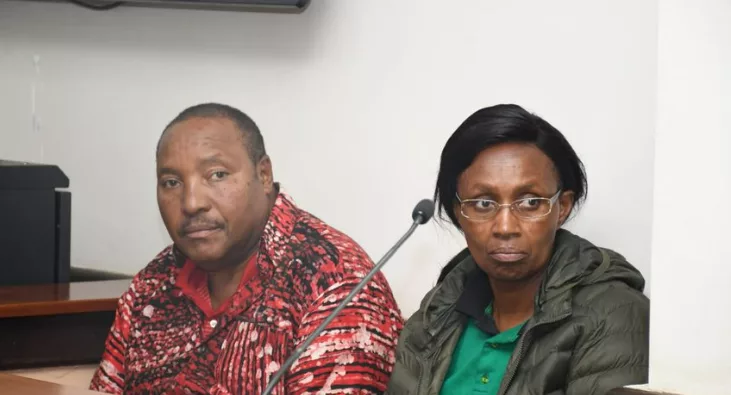
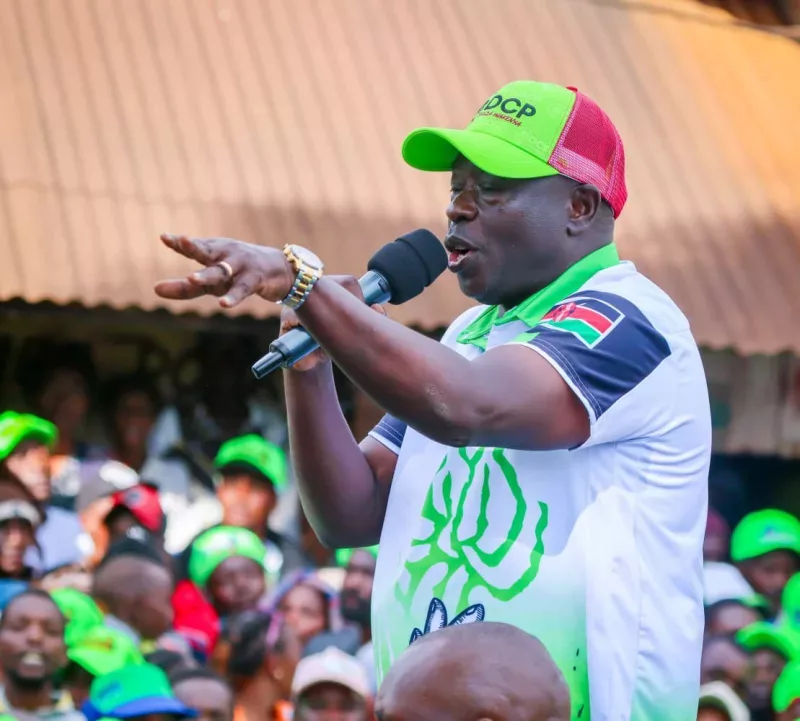
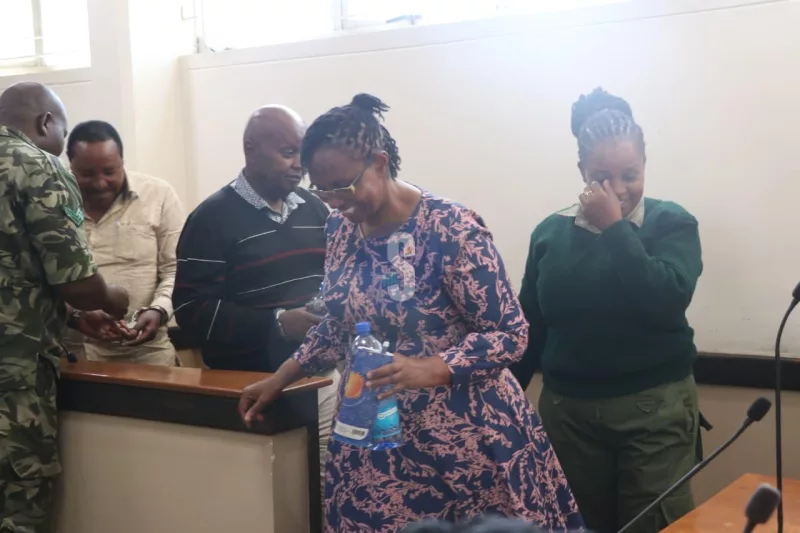
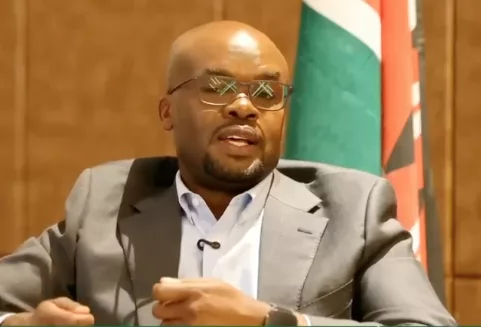
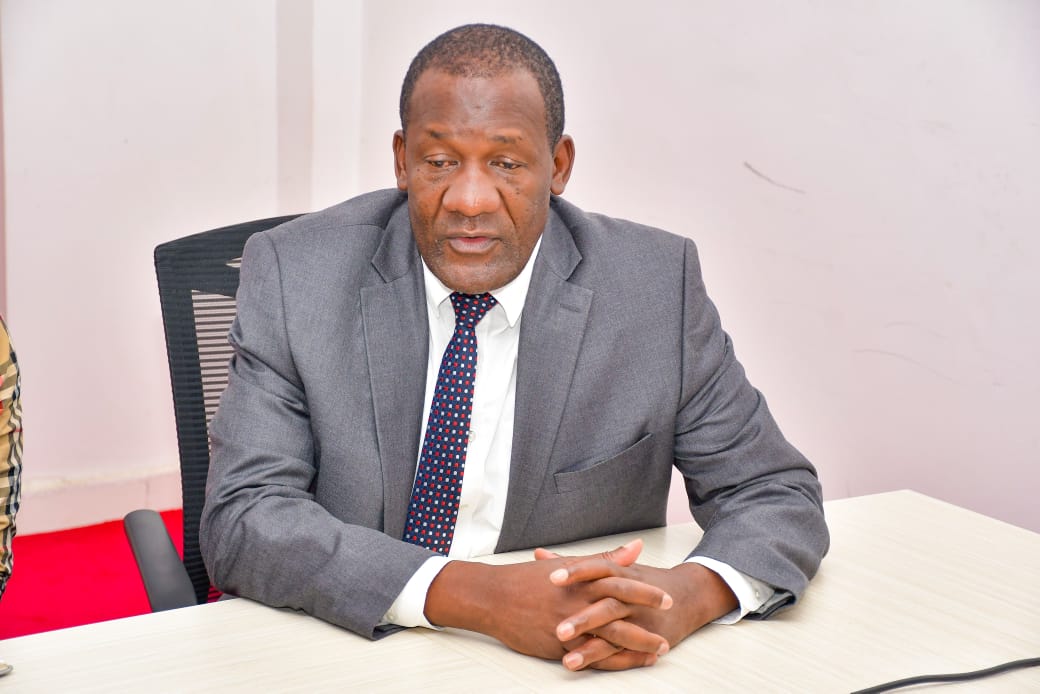
 Kisumu City Manager Abala Wanga/FAITH MATETE
A Nairobi court has allowed the Director of Public Prosecutions’ (DPP) bid to withdraw charges against Kisumu City Manager Abala Wanga, effectively bringing to an end the proceedings that had been scheduled for plea.
The ruling was delivered after the matter, which had been set for plea on April 9, 2026, took a different turn when the prosecution applied to discontinue the case under Section 87(a) of the Criminal Procedure Code.
The prosecution informed the court that the decision to withdraw the charges had been made pursuant to Article 157 of the Constitution, which grants the Director of Public Prosecutions the authority to institute, take over, or discontinue criminal proceedings.
The court was told that the withdrawal was part of the DPP’s prosecutorial discretion.
Under Article 157(8), however, the DPP is required to seek the court’s permission before discontinuing any prosecution, a requirement that formed part of the court’s consideration before granting the application.
In submissions before the court, the prosecution indicated that the decision to withdraw the charges had also been influenced by engagement with the defence team, which had reportedly written to the Office of the Director of Public Prosecutions (ODPP) seeking a review of the evidence and charges before plea could be taken.
“Although the accused was arraigned as early as November 2025, a plea has not been taken to date. The explanation advanced is that the defence wrote to the ODPP seeking a review of the evidence and/or the charges. From the oral application presented before the court, it would appear that the ODPP has acted upon that request,” the ruling stated.
The court also heard that one of the reasons advanced for the withdrawal was that the suspect had agreed to make restitution to the County Government of Kisumu, a factor that was placed before the court during the hearing of the application.
The presiding magistrate noted that under Section 87(a) of the Criminal Procedure Code, a public prosecutor may withdraw from prosecution at any time before judgment is delivered, with the consent of the court.
The provision further states that where a withdrawal is made before an accused is called upon to make a defence, the accused shall be discharged, although such a discharge does not bar future proceedings based on the same facts.
The court observed that in this case, a plea had not yet been taken despite the accused having been arraigned several months earlier.
It was also noted that the matter presented a unique procedural scenario, given that the withdrawal application was made prior to the taking of a plea.
“Learned counsel holding brief for the Ethics and Anti-Corruption Commission (EACC) expressed reservations regarding the withdrawal,” the magistrate noted.
While this was the case, the court held that the decision to discontinue prosecution lies within the constitutional mandate of the DPP, subject to court approval.
The court further considered the implications of the withdrawal and noted that the law allows for future proceedings should the conditions underpinning the discontinuation not be fulfilled.
“Given that a withdrawal under Section 87 (a) of the Criminal Procedure Code does not bar the future arrest and charging of the accused person on the same facts, and noting that the accused may still be arraigned should he fail to fulfil the agreed conditions, I shall allow the prosecution's application,” the magistrate ruled.