Globally, more than one billion people live with mental health conditions, according to the World Health Organization. In Kenya, estimates from the Ministry of Health indicate that one in every four people seeking healthcare has a mental health condition, while between 10 and 20 per cent of the population will experience one in their lifetime. However, up to 80 per cent of those affected do not receive the care they need.
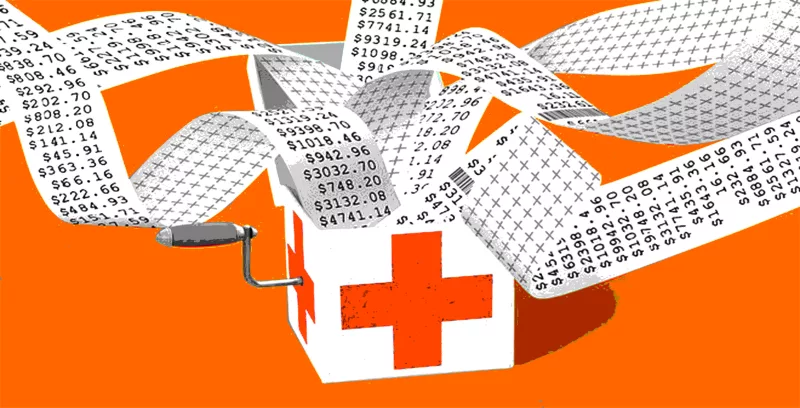
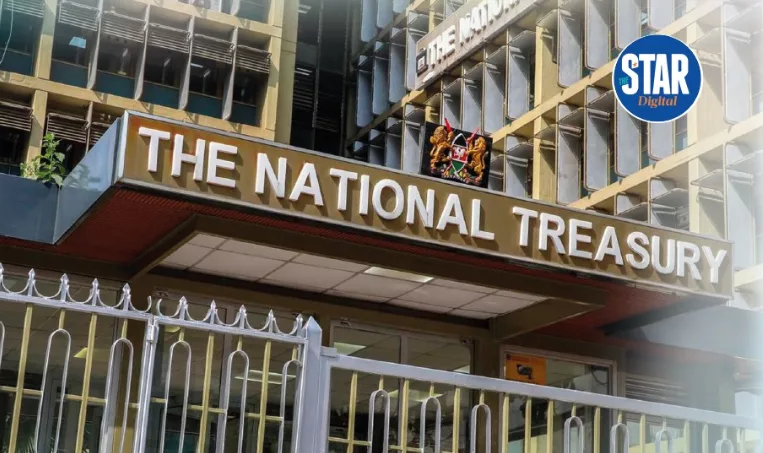
This gap is structural and financial. Kenya allocates roughly 0.01 per cent of its health budget to mental health, with some recent estimates placing it as low as 0.001 per cent. In practical terms, this translates to less than Sh1 per person per year. By comparison, the global median spending is about $2.5 (Sh250) per capita, while experts recommend countries allocate at least five per cent of their health budgets to mental health services.
Kenya has approximately 100 psychiatrists serving over 50 million people, most of them concentrated in urban centres. At the county level, many facilities lack trained personnel, essential medicines and basic psychosocial support systems. For millions of Kenyans, access to care remains out of reach.
In addition, the human cost cuts across sectors. Healthcare workers report rising burnout, teachers are increasingly struggling with anxiety and depression, and security personnel face repeated exposure to trauma. For young people, the majority of Kenya’s population, economic uncertainty, unemployment and constant exposure to distressing digital content are compounding the strain.
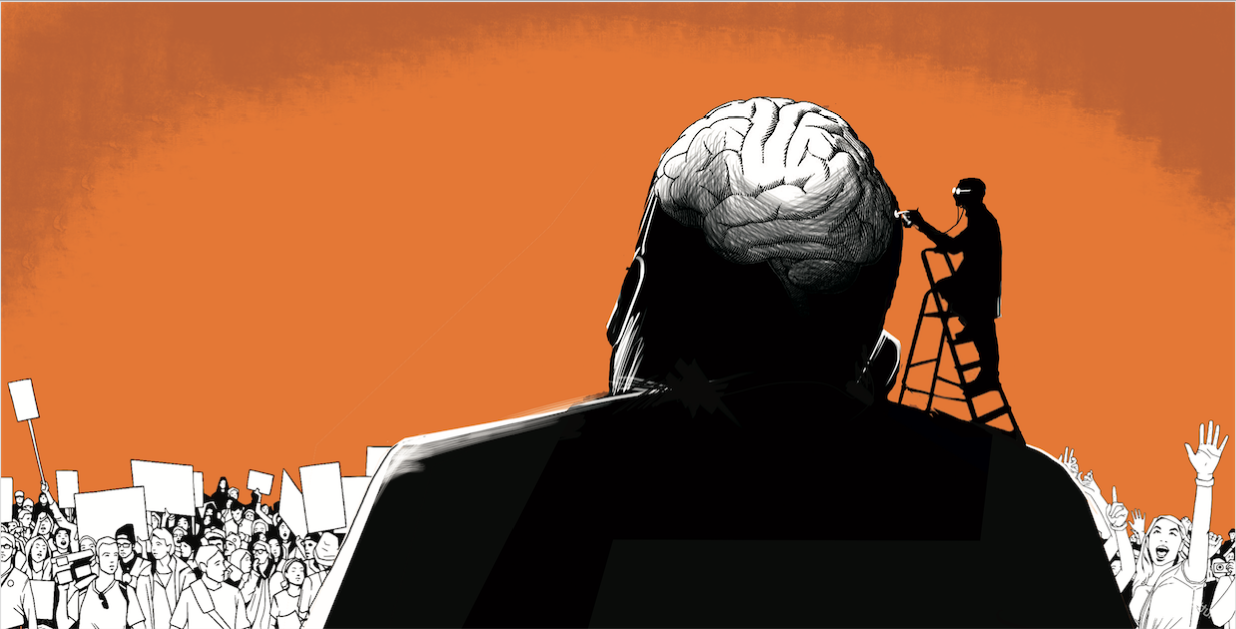
But it is the political environment that is quietly intensifying this crisis, I could say. Kenya’s elections have historically been high-stakes and emotionally charged. The aftermath of the 2007-08 Kenyan post-election violence left deep psychological wounds that remain insufficiently addressed to date.
While subsequent elections have been comparatively more stable, they have not been free from anxiety, fear and social division. Today, these pressures are amplified by social media. Online platforms have become arenas of hostility, misinformation and polarisation.
Research shows that prolonged exposure to such environments increases stress levels, contributes to anxiety and erodes social trust. For many Kenyans, the election cycle now brings sleepless nights, heightened fear and emotional exhaustion.
Despite all this, mental health remains largely absent from political discourse, and this must change. The government must significantly increase investment in mental health. Allocating less than Sh1 per person annually to a crisis affecting millions is neither sustainable nor responsible. Mental health services should be fully integrated into primary healthcare across all counties so that access can be realised at the community level.
Kenya must also invest in prevention. Nationwide public awareness campaigns are essential to reduce stigma and encourage people to seek help early. Community health systems should be strengthened to provide basic psychosocial support before conditions escalate.
At workplaces, especially in high-stress sectors such as healthcare, institutions must institutionalise mental health support, including counselling services and employee wellness programmes.
Political leaders must recognise their influence on the national psyche. Responsible rhetoric, issue-based campaigns and restraint in public discourse are public health necessities. The well-being of millions and the stability of the nation may well depend on it. Elections should be a moment of democratic expression, and never a trigger for national distress.
Programme Manager for Political Accountability in State Institutions at the Kenya Human Rights Commission