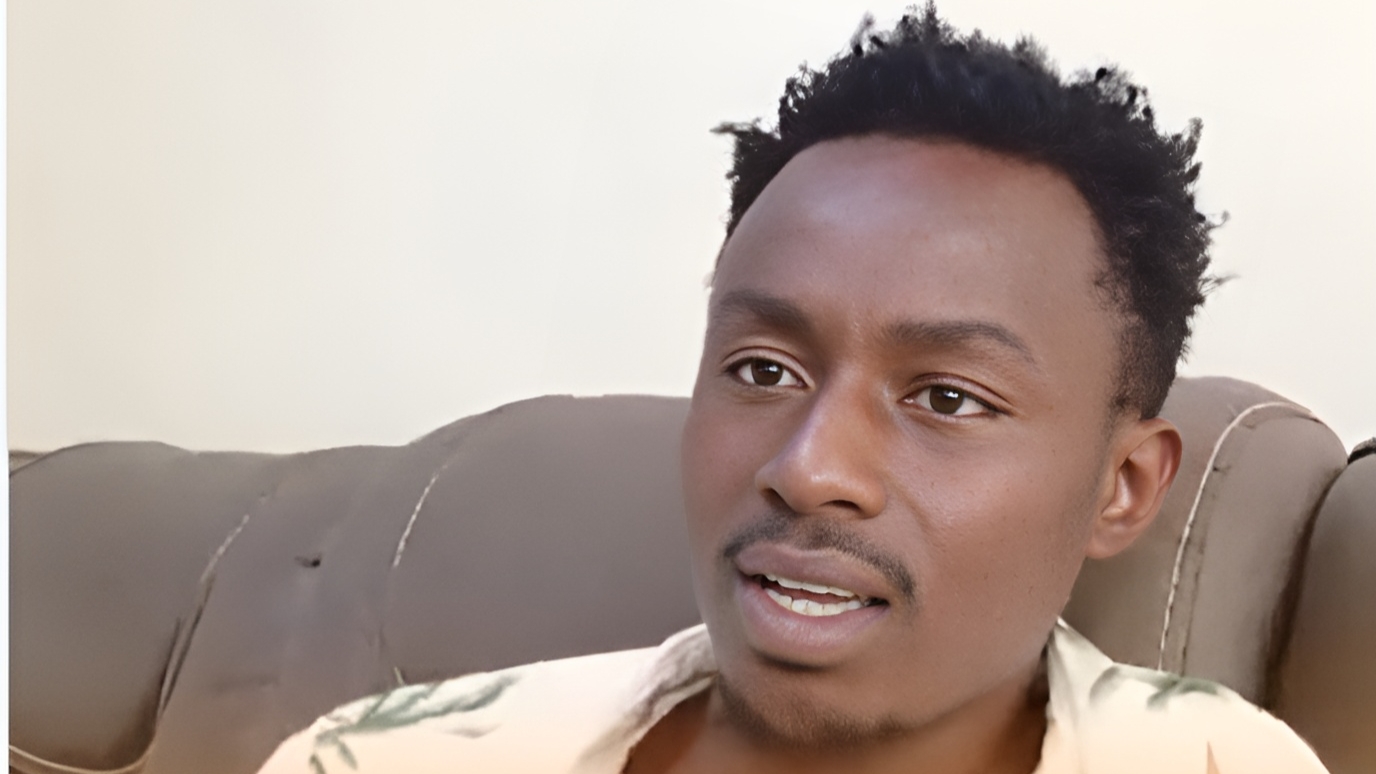
 Kenyan skater Kevin Kiarie/HANDOUT
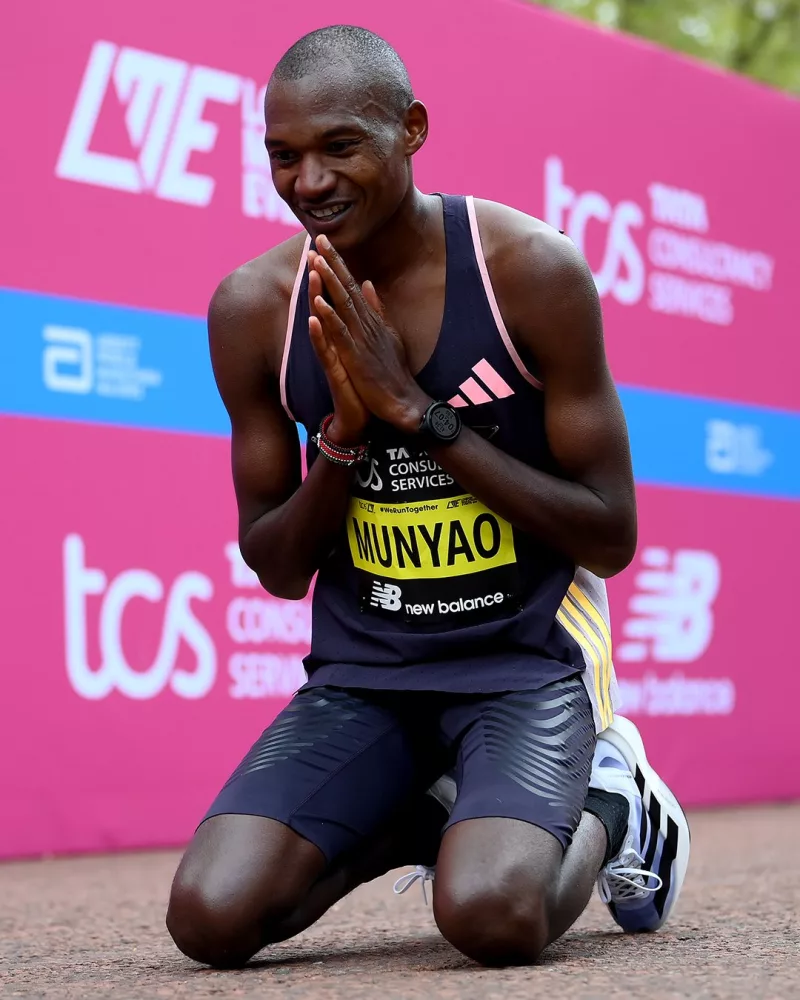
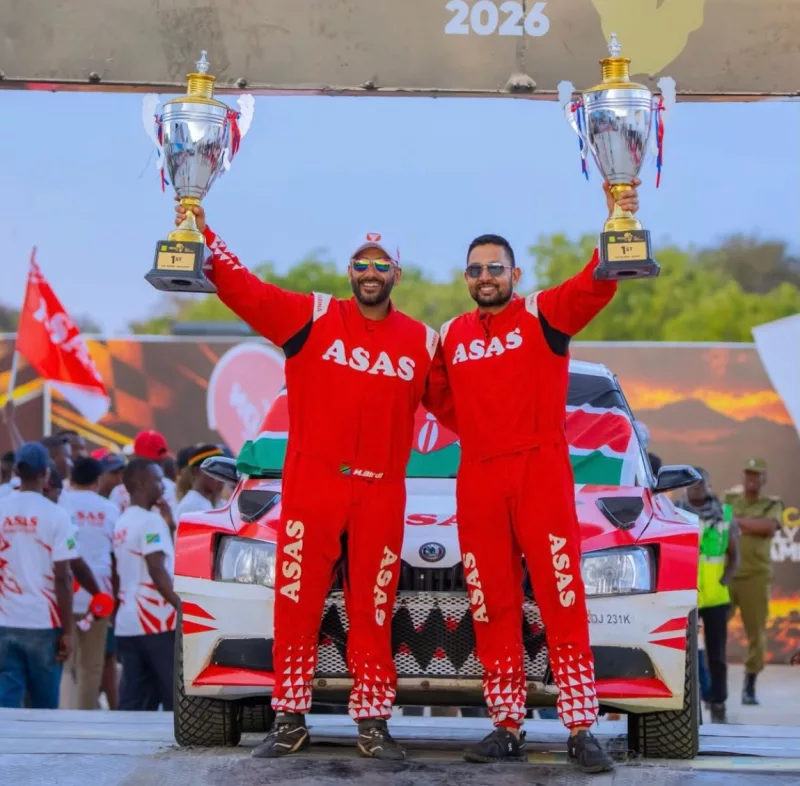
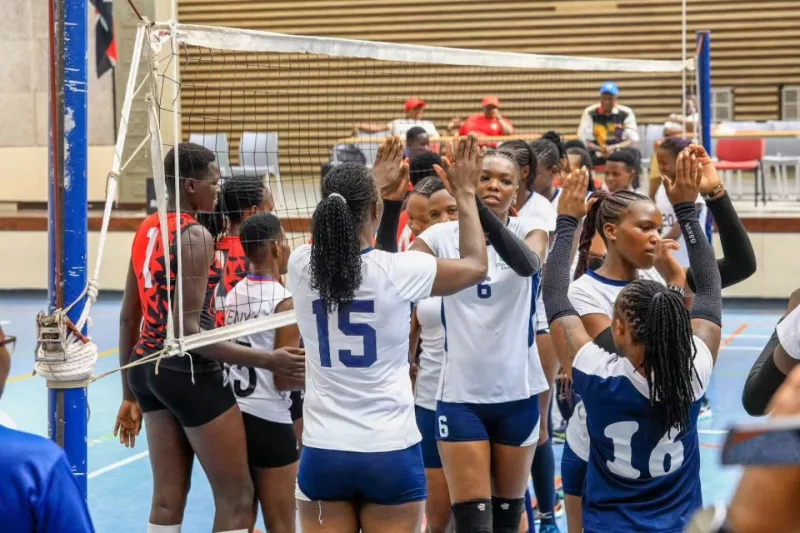
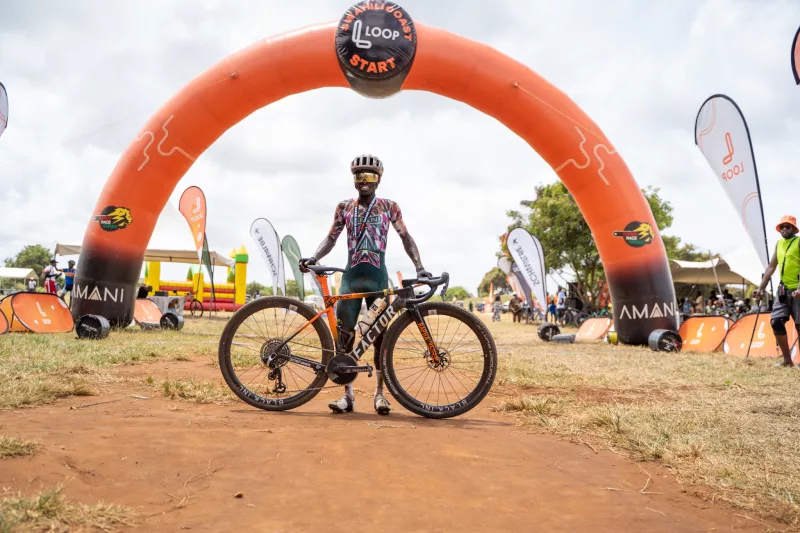
 A new generation of Kenyan athletes is delivering medals and breaking barriers on the global stage.
Yet behind the shimmer of podium success, a quieter truth lingers in the shadows — one that speaks of a system often absent when its heroes need it most, watching from a distance as talent carries the weight of dreams it should not bear alone.
From skating rinks in West Africa to tennis courts in Europe, from icy slopes to dusty training grounds in rural Kenya, athletes are repeatedly forced to fund their own dreams, carry their own burdens, and sometimes beg for the very recognition they have already earned.
Take the extraordinary journey of Kevin Kiarie Ruhiu, who returned from the International Skating Challenge in Cotonou with a gold medal in freestyle battle and silver in classic slalom. He did so as Kenya’s sole representative — self-sponsored, under-resourced, and largely unseen until victory forced attention. His success was not built on institutional strength but individual sacrifice. His story is not an exception; it is a pattern.
In tennis, Angela Okutoyi, a historic junior Grand Slam winner, continues to crowdsource funds for her professional career to remain competitive on the global circuit. Talent alone has taken her far; funding gaps threaten to stall what should be a seamless rise to Olympic contention.
In darts, David Munyua travelled to a world championship without federation backing, relying on friends and supporters after being dismissed as a participant in a “pub sport.” Yet he delivered a shock victory over a world-ranked opponent, proving that excellence does not require elite endorsement — only opportunity.
On snow, Sabrina Simader, Kenya’s pioneering winter Olympian, has faced repeated financial barriers so severe that entire Olympic cycles have been jeopardised by unpaid reimbursements and lack of institutional continuity. In niche disciplines, athletes like Vincent Onyangi have had to build sports from scratch, self-funding equipment and structures before receiving minimal recognition. Similarly, canoeing prospect Samuel Muturi continues to train with limited gear, chasing Olympic dreams on an unstable financial footing. Even in athletics, long-distance runner Zachariah Kirika began barefoot, unsupported, and invisible before talent forced discovery.
At the elite international level, even established champions are not spared. Fencer Alexandra Ndolo, despite becoming Kenya’s first Olympic fencer and a multiple African champion, has publicly detailed how she financed her own qualification journey, often without federation-backed coaching or logistics.
These are not isolated stories. They are a system-wide indictment. Kenya’s sporting ecosystem has become dependent on heroism rather than structure — on individual resilience rather than institutional responsibility. Athletes are forced into crowdfunding campaigns, social media appeals, and personal debt just to represent their own country. Victory is celebrated loudly; the struggle to achieve it is ignored quietly.
The Sports, Arts and Social Development Fund (SASDF) and federations such as the Kenya Fencing Federation (KFF) are mandated to nurture talent, yet too often appear after the fact — when medals are already won, when crises have already gone viral, when public pressure has already done the job of governance.
This reactive culture is not development; it is damage control. A nation that waits for athletes to prove themselves before investing in them is not building champions — it is exploiting them. It is relying on unpaid risk-taking, emotional endurance, and personal sacrifice as substitutes for structured funding.
The consequences are severe. Talented athletes abandon careers early. Others switch allegiance, seek foreign support, or remain stuck at an amateur level despite world-class potential. Meanwhile, Kenya loses medals not due to lack of ability, but lack of preparation.
What these athletes have proven — across skating, tennis, fencing, skiing, darts, kayaking, lacrosse, and athletics — is that Kenyan talent is abundant. What is missing is not passion, but planning. Not courage, but commitment from those entrusted with governance.
If Kenya is serious about sporting excellence, then federations must evolve from ceremonial bodies into functional institutions. Funding must be predictable, not performative. Selection must be transparent, not political. Support must begin before international success, not after viral celebration.
Until then, every medal will carry a silent cost — paid in debt, delay, and determination. And every podium photograph of a lone Kenyan athlete will remain a national shame disguised as pride. The champions have already done their part. The question now is whether Kenya will finally do its own.