
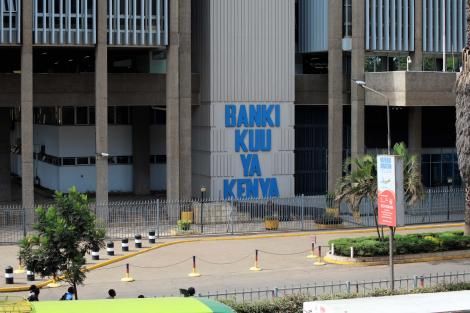
 Central Bank of
Kenya building in Nairobi /FILE
Central Bank of
Kenya building in Nairobi /FILEThe Central Bank of Kenya (CBK) has licensed an additional 32 Digital Credit Providers (DCPs), raising the total number of approved digital lenders in the country to 227.
In a statement issued on Tuesday, the regulator said the move is in line with Section 59(2) of the Central Bank of Kenya Act, as part of ongoing efforts to streamline and regulate the fast-growing digital lending sector.
CBK said it has been engaging closely with applicants to assess their business models, governance structures and compliance with consumer protection requirements before granting approval.
“The focus of the engagements with DCPs has been on business models, consumer protection and the fitness and propriety of proposed shareholders, directors and management,” the regulator said.
The latest approvals follow an earlier licensing of 42 firms announced in December last year, as CBK continues to process applications submitted since the introduction of the regulatory framework in March 2022.
According to the bank, it has so far received more than 800 applications from firms seeking to operate as digital lenders, with many still undergoing review at various stages.
The bank said the vetting process is aimed at ensuring only credible and compliant firms are allowed to operate, while safeguarding the interests of customers who increasingly rely on digital credit.
Digital Credit Providers primarily offer loans through digital platforms, including mobile applications and Unstructured Supplementary Service Data (USSD) channels, making access to credit faster and more convenient.
The loan products offered by these lenders range from education and development loans to short-term personal credit, asset financing and business loans.
CBK data shows that as of February 2026, licensed DCPs had issued about 7.5 million loans valued at Sh133.5 billion, underscoring the sector’s growing role in Kenya’s financial ecosystem.
The regulator, however, said several applications remain incomplete, with some firms yet to submit the required documentation.
“We urge these applicants to submit the pending documentation expeditiously to enable completion of the review of their applications,” CBK said.
Members of the public have also been encouraged to report unregulated digital lenders to the central bank through its official communication channels.
The licensing and oversight of digital lenders were introduced following widespread complaints from the public over the conduct of unregulated operators.
CBK said concerns had been raised about predatory practices, including high interest rates, unethical debt collection methods and misuse of borrowers’ personal data.
The regulator has since intensified efforts to clean up the sector, bringing more players under formal oversight and enforcing compliance with established standards.
The latest licensing is expected to enhance transparency and accountability in digital lending, while promoting responsible lending practices and protecting consumers from exploitation.
As the number of licensed providers grows, CBK said it remains committed to strengthening supervision of the sector to ensure it supports financial inclusion without exposing borrowers to undue risk.







