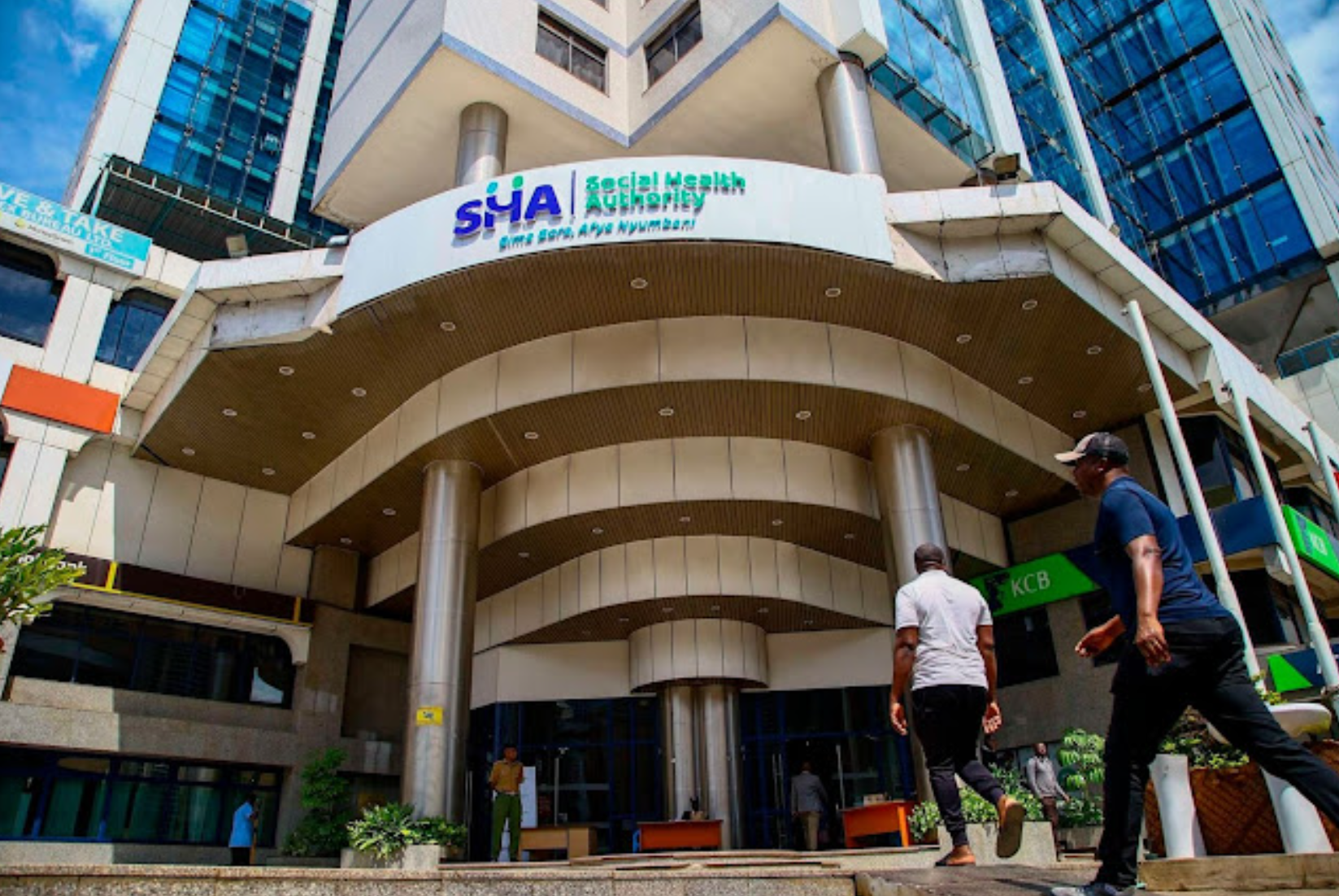
 The Social Health Authority (SHA) headquarters in Nairobi.
Only 36 procedures -deemed unavailable in Kenya - now qualify for overseas funding. Patients must be referred by a doctor, vetted by regulators, and approved by the SHA before travel. The authority will cover up to Sh500,000 per patient per year, with patients meeting any additional costs.
“We have followed the law, activated expert panels, and determined the procedures that Kenyans can only access overseas,” Dr Mwangangi told The Star Health.
Below is the official list of services that can be funded by SHA abroad, as published in the Kenya Gazette in September 2025, with simplified explanations and SHA's justification.
1. Wrist joint arthroplasty
Replacement of a damaged wrist joint with an artificial implant to restore movement, stability and reduce chronic pain. Justification: Lack of dedicated joint replacement and implant availability in Kenya.
2. Metacarpal joint arthroplasty
Replacement of small joints in the hand to improve finger movement, function and relieve severe joint damage. Justification: Limited access to prostheses and expertise in Kenya.
3. Ankle joint arthroplasty
Surgical replacement of the ankle joint to restore mobility and relieve pain caused by arthritis or injury. Justification: Lack of surgical expertise and advanced implants in Kenya.
4. Whole femoral replacement
Complete replacement of the thigh bone using a large artificial implant, often for severe trauma or bone cancer cases. Justification: No access to mega-prostheses locally.
5. Proximal femoral replacement
Replacement of the upper part of the thigh bone near the hip to treat tumours or severe bone damage. Justification: Inadequate oncology infrastructure locally.
6. Distal femoral replacement
Replacement of the lower part of the thigh bone near the knee to restore function after major bone loss or disease. Justification: Lack of implants and training locally.
7. Proximal tibial replacement
Replacement of the upper part of the shin bone to manage bone tumours or complex fractures affecting the knee joint. Justification: Not routinely performed due to resource limitations
8. Allograft use
Use of donated human bone tissue to reconstruct or replace damaged bone during complex surgical procedures. Justification: No national bone bank
9. Complex congenital heart surgery requiring ECMO in paediatrics
Highly specialised heart surgery in children supported by machines that temporarily take over heart and lung function. Justification: Lack of ECMO capacity and ICU support
10. Liver transplant
Surgical replacement of a failing liver with a healthy donor organ to save patients with severe liver disease. Justification: No paediatric liver transplant programme
11. Bone marrow transplant
Procedure that replaces damaged bone marrow with healthy cells to treat cancers and blood disorders. Justification: No dedicated bone marrow transplant units
12. Kidney transplant (paediatric)
Transplantation of a kidney into a child to treat advanced kidney failure and restore normal body function. Justification: Underdeveloped paediatric nephrology services
13. Intrathecal chemotherapy for retinoblastoma
Direct delivery of cancer drugs into the spinal fluid to treat advanced eye cancer in children. Justification: Limited access to specialist paediatric oncology
14. Laryngeal transplant
Replacement of the voice box to restore breathing, speech and swallowing functions in severe cases. Justification: No national legal framework for larynx transplantation
15. Intrauterine blood transfusion
Procedure where blood is transfused directly to an unborn baby to treat severe anaemia before birth. Justification: Lack of foetal therapy centres and specialists
16. Intrauterine shunt placement (bladder obstruction, hydrothorax, cysts)
Insertion of tiny tubes in the womb to drain excess fluid and relieve pressure in the unborn baby. Justification: No capacity for intrauterine surgical procedures
17. Intrauterine vesicocentesis, thoracentesis, paracentesis
Needle procedures performed in the womb to remove abnormal fluid from the foetus for treatment or diagnosis. Justification: Lack of interventional radiology in maternal-foetal care
18. Fetoscopy, amniotic band ligation, laser ablation
Minimally invasive surgeries performed inside the womb to correct life-threatening foetal conditions. Justification: Absence of specialised instruments and trained personnel
19. Amnioreduction, amnioinfusion
Procedures that remove or add amniotic fluid to manage pregnancy complications affecting the baby. Justification: Rarely performed due to risk and limited technical skills
20. Foetal reduction, cord occlusion, cordocentesis
Specialised procedures to manage high-risk multiple pregnancies or diagnose and treat foetal conditions. Justification: Lack of tools and protocols
21. Advanced endometriosis excision
Complex surgery to remove deeply embedded endometriosis tissue causing severe pain and fertility issues. Justification: Limited advanced laparoscopic skills
22. Sacral neuromodulation for urinary/faecal incontinence
Use of implanted devices to send electrical signals that help control bladder or bowel function. Justification: No equipment or trained urogynecologists
23. Peptide Receptor Radionuclide Therapy (PRRT) – Lutetium-177
Targeted cancer treatment using radioactive substances that bind to tumour cells and destroy them. Justification: Lack of nuclear medicine infrastructure
24. DOTA-TATE PET/CT scan
Advanced imaging scan used to detect and monitor specific types of tumours with high precision. Justification: Diagnostic service not available
25. Fibroblast Activation Protein Inhibitor (FAPI) PET/CT imaging
Highly specialised scan that detects cancer and fibrotic diseases by targeting specific cellular activity. Justification: Not available nationally
26. Microwave ablation of metastatic tumours
Minimally invasive procedure that uses heat generated by microwaves to destroy cancerous tumours. Justification: No national capacity
27. CAR T-cell therapy
Advanced treatment where a patient’s immune cells are genetically modified to identify and attack cancer cells. Justification: Highly specialised and not available
28. Bispecific T-cell engagers
Engineered drugs that direct the immune system to attack cancer cells by binding two targets at once. Justification: No regulatory pathway or production
29. Allogeneic bone marrow/peripheral stem cell transplant
Transplant of blood-forming stem cells from a donor to treat serious blood cancers and disorders. Justification: Capacity limited; only autologous transplants available
30. Transjugular intrahepatic portosystemic shunt (TIPS)
Procedure that creates a pathway in the liver to reduce pressure and prevent complications of liver disease. Justification: Lack of essential tools and consumables
31. Yttrium-90 (Y-90) radioembolisation
Treatment that delivers radioactive particles directly into liver tumours to shrink or destroy them. Justification: No access to isotopes and delivery systems
32. Surgical management of birth-related brachial plexus injuries
Surgery to repair nerve damage in newborns affecting arm movement due to birth complications. Justification: Lack of equipment and trained personnel
33. Photopheresis (Extracorporeal photopheresis)
A blood treatment that uses light-activated drugs to modify immune cells in certain diseases. Justification: Not available
34. Nerve ablation therapy
Procedure that destroys specific nerves to relieve chronic pain or control abnormal nerve activity. Justification: Lack of neurophysiology equipment and personnel
35. Neural regenerative therapy
Emerging treatments aimed at repairing or regrowing damaged nerve tissues to restore function. Justification: Lack of neurophysiology equipment and personnel.
36. Proton therapy
Highly precise form of radiation therapy that targets tumours while minimising damage to surrounding tissues. Justification: Not available in Kenya.


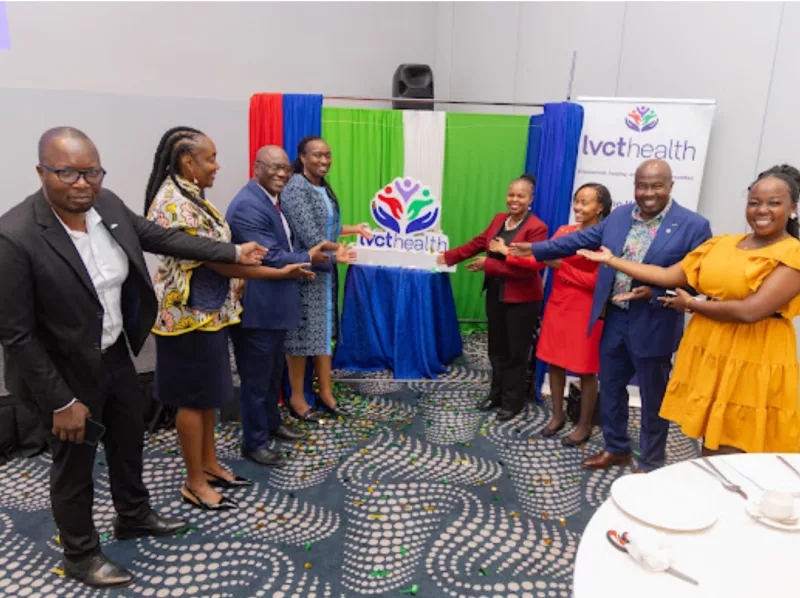

![Africa CDC Director General Dr Jean Kaseya at a past event. [Photo: Arthur Mbuguah, WHM]](https://cdn.radioafrica.digital/image/2026/10/8ced213c-affb-4dff-97ca-1b6bac1f958e.webp)