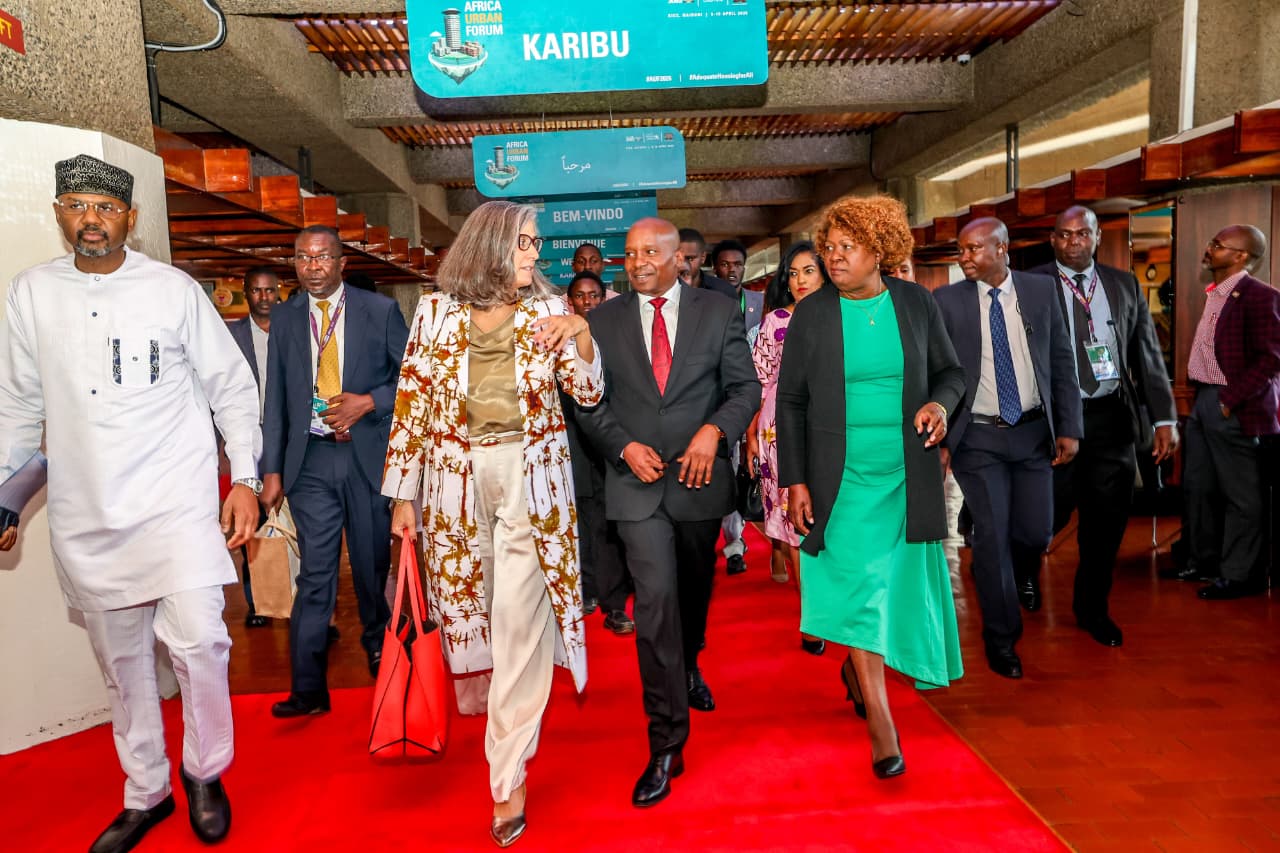
 Deputy President Kithure Kindiki, alongside other stakeholders, during the closing ceremony of the 2nd Africa Urban Forum at the KICC on April 10, 2026/DPCS
Deputy President Kithure Kindiki has urged African countries to study and adopt Kenya’s Affordable Housing Programme, saying the initiative is a practical model that is already transforming urban living standards across the country.
Speaking during the closing ceremony of the 2nd Africa Urban Forum at the Kenyatta International Convention Centre (KICC) in Nairobi on Friday, Kindiki said Kenya has made significant progress in upgrading informal settlements and expanding access to dignified housing through the programme spearheaded by President William Ruto’s administration.
He said the country’s approach demonstrates what can be achieved when governments commit to bold policy decisions and follow through with implementation.
“We are inviting you to see what you can learn from our affordable housing model as you seek to implement your own models,” Kindiki said, calling on African nations to consider Kenya’s experience as they develop their own urban housing strategies.
The Deputy President said Kenya had chosen action over prolonged debate, adding that the country was committed to delivering tangible results in the housing sector.
“Kenya has made its choice. We have chosen action. We invite the continent to move with the same urgency, the same clarity, and the same commitment,” he added.
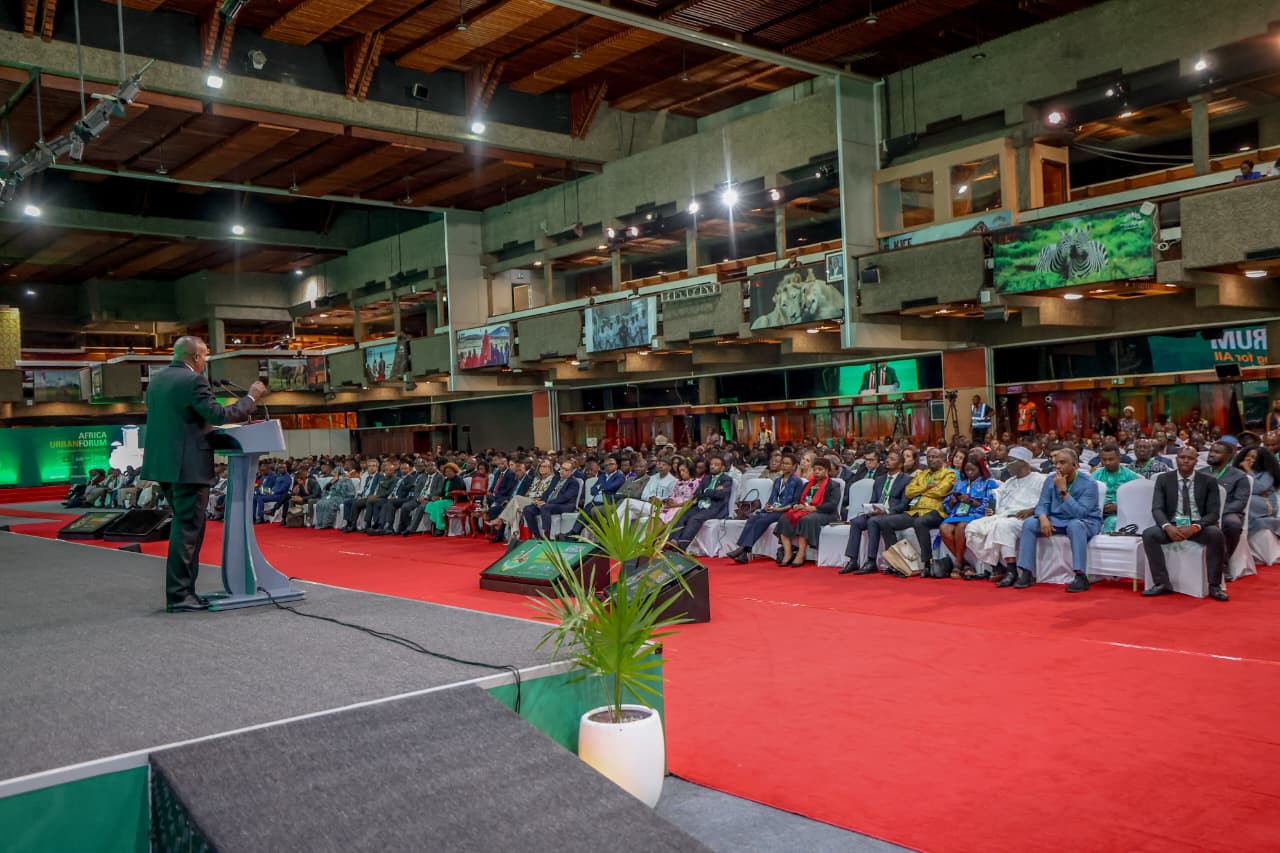 Deputy President Kithure Kindiki, alongside other stakeholders, during the closing ceremony of the 2nd Africa Urban Forum at the KICC /DPCS
Kindiki noted that the Affordable Housing Programme has faced political and implementation challenges but said the government had remained firm in pushing forward with reforms aimed at addressing long-standing housing shortages.
He observed that successive election cycles since 2002 had seen political parties promise affordable housing, but implementation had largely stalled due to structural and policy challenges.
According to him, a decisive shift when the current administration prioritised the housing agenda and committed to confronting the obstacles that had slowed progress in previous years.
“In 2022, President Ruto decided that the time had come to implement the housing agenda and face the political challenges that came with this decision,” he said.
Kindiki further highlighted progress made under the programme, noting that approximately 270,000 housing units are currently at various stages of completion.
He added that the government aims to scale up to one million homes in the coming phases of the project.
He also pointed to the employment opportunities generated by the initiative, stating that about 600,000 jobs had been created for Kenyans, particularly young people, since the programme began.
The Deputy President revealed that contracts worth over $5 billion have been awarded to 800 contractors, the majority of whom are Kenyan-owned firms, underscoring the local economic impact of the project.
He said the government remains committed to shielding the programme from policy disruptions, noting that consistency in implementation is key to achieving long-term development goals.
“Kenya’s affordable housing project will continue, and we hope under President Ruto we will be able to cushion the programme from policy disruption, which is common in developing countries,” Kindiki said.
He further urged African nations to ensure that commitments made during continental forums such as the Nairobi Declaration translate into real projects that improve citizens’ lives.
“The commitments made must translate into projects delivered, units constructed and lives improved,” he said, calling for stronger governance frameworks, faster approvals, and policy environments that support large-scale housing delivery.
The forum brought together urban development stakeholders from across the continent to discuss sustainable urbanisation, infrastructure development, and housing solutions for rapidly growing African cities.