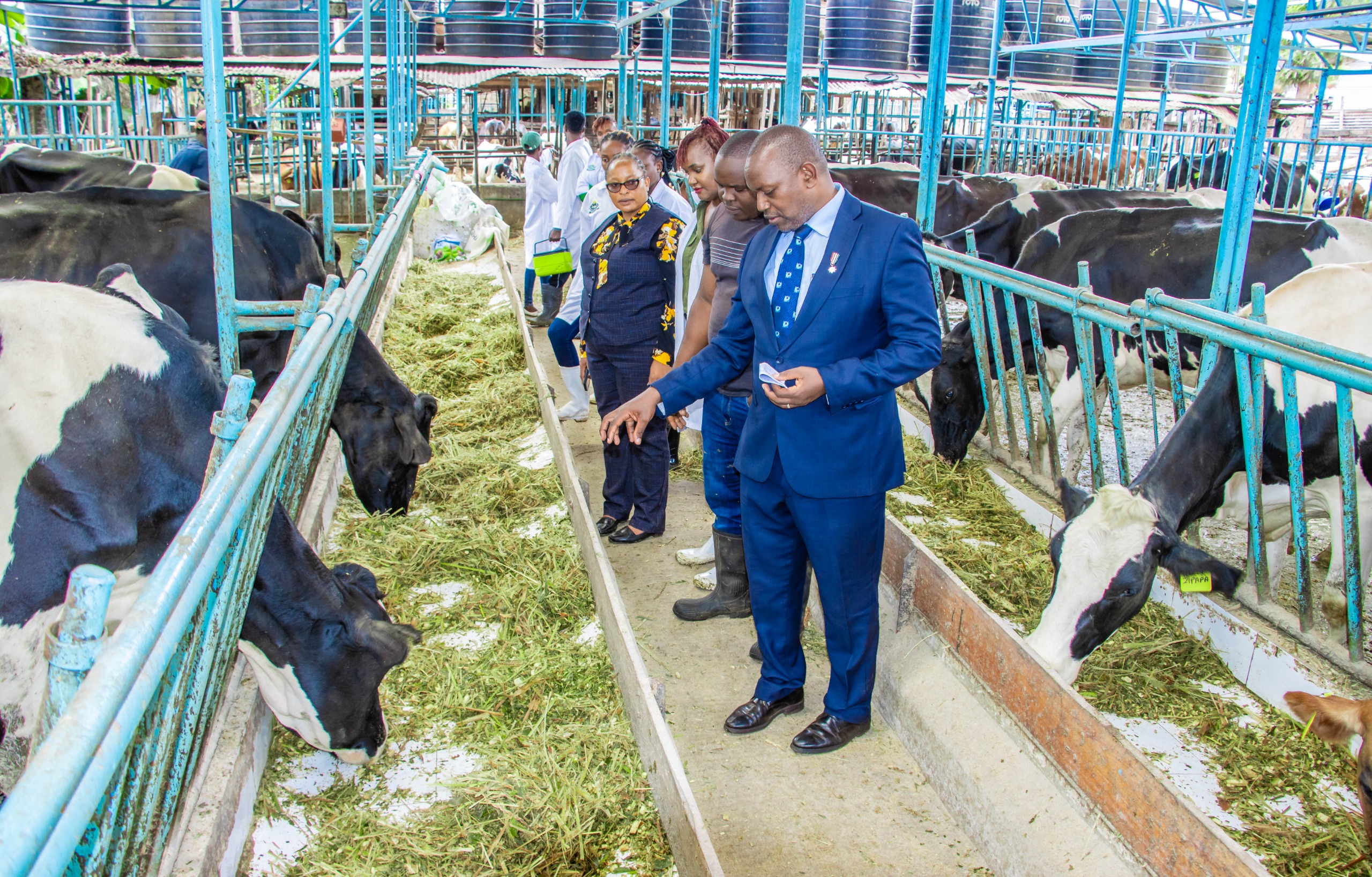
Kirinyaga Governor Anne Waiguru has launched a digital livestock registration programme using muzzle identification.
The initiative aims to create a reliable database to improve tracking, planning and delivery of veterinary services.
The exercise is being conducted alongside a mass vaccination drive against Foot and Mouth Disease (FMD), targeting about 80,000 cattle across the county.
Each cow has a unique muzzle pattern, similar to human fingerprints, making the technology accurate and tamper-proof.
So far, more than 11,000 cattle have been registered in the second week of the campaign, with teams visiting villages to reach farmers directly.
Waiguru said the initiative is part of her administration’s broader plan to transform the dairy sector, boost household incomes and strengthen the dairy value chain.
The county has supported artificial insemination services for more than 150 households to improve dairy breeds.
It has also provided milk coolers, pasteurisers, yoghurt-making equipment and backup generators to local cooperatives.
Milk production has risen from an average of 2.5 litres to 7.8 litres per cow per day, with a target of 12 litres.
Agriculture executive John Gachara said the county is collaborating with the national government to make Kirinyaga FMD-free.
“Digital registration allows us to track ownership, production and medical history, enabling timely interventions and better advisory services for farmers,” he said.
The vaccination programme is heavily subsidised, with the government covering Sh150 per animal.
Director of Livestock Dr Catherine Mulonzi said the digital system improves efficiency, resource planning, disease surveillance and traceability.
Conventional identification methods such as ear tags, collars and tattoos are prone to data tampering, high costs and health issues.
“The system will also help curb cattle theft and support better farm management,” she added, urging farmers to ignore misinformation about taxation.
Dairy farmer Margaret Wambui from Wang’atia in Kutus said the home-based vaccination and registration saved her the stress of moving her 12 cows to a centre, reducing costs from Sh200 to Sh50 per cow.
At Uzuri Dairy Farm manager Kelvin Karani Mutugi said the subsidy had significantly reduced operational costs. “Vaccinating my 146 cows would have cost over Sh30,000. Now all our animals are registered and easier to manage,” he said.
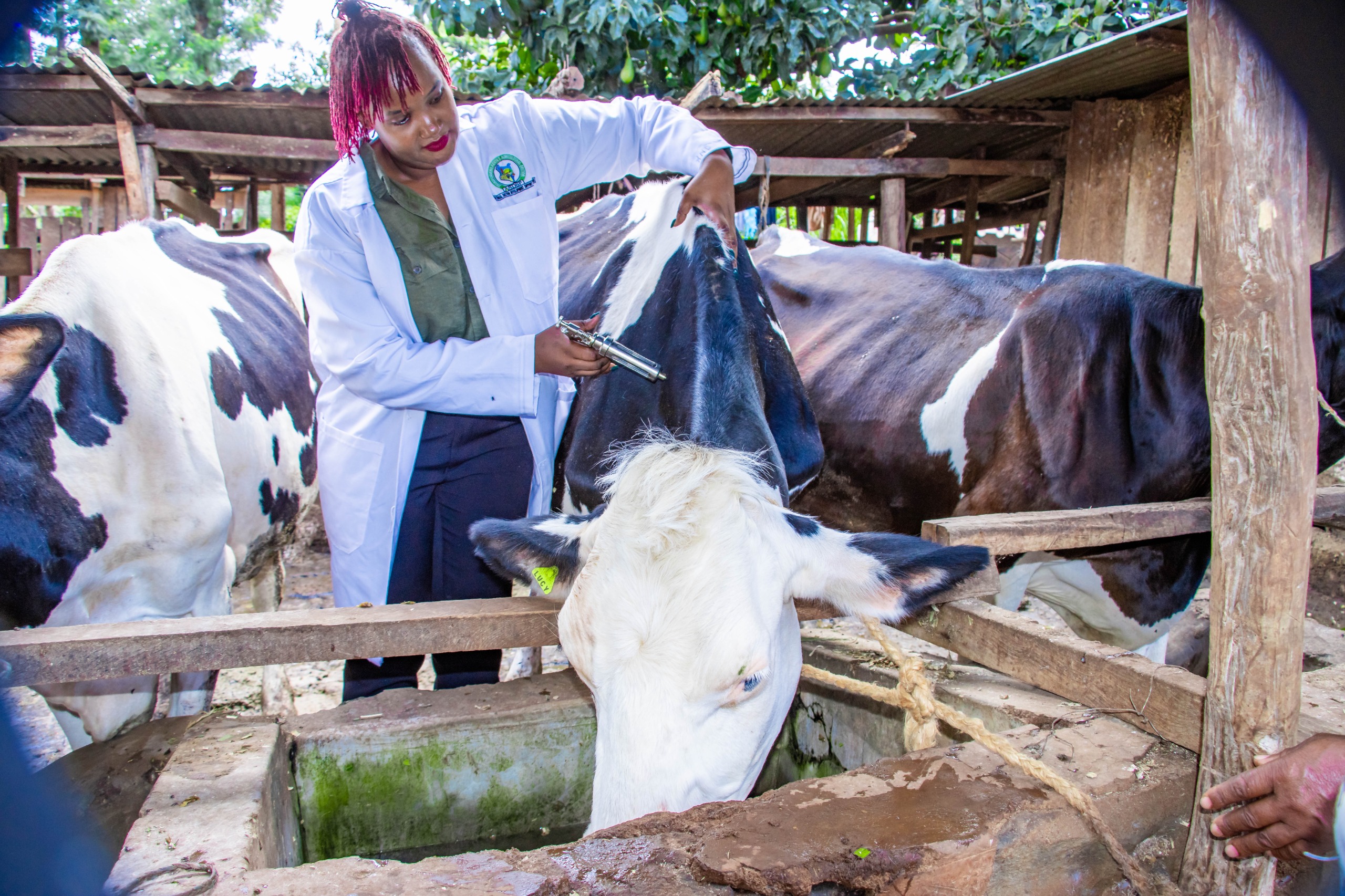
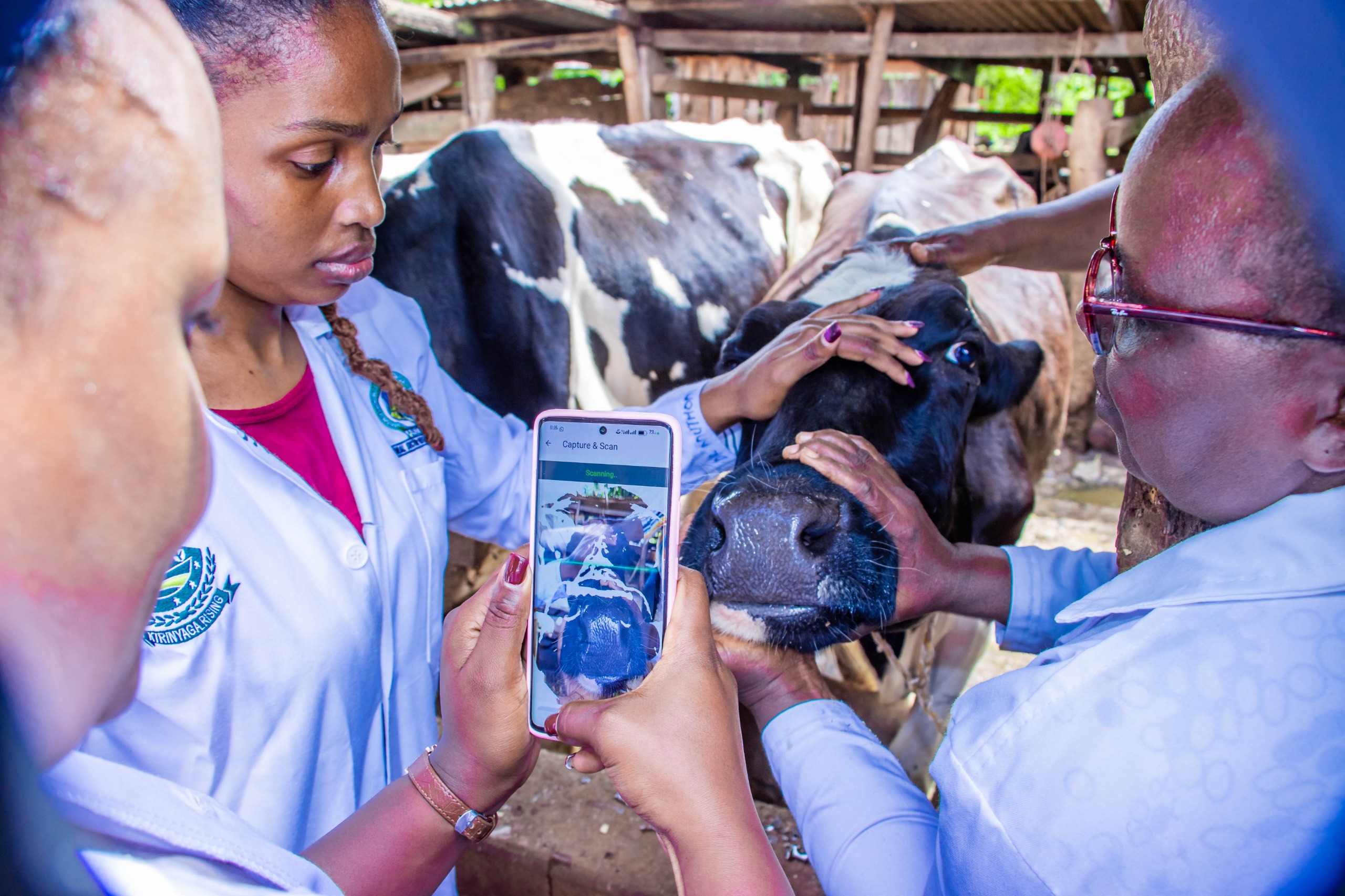 Kirinyaga extension officers undertaking muzzle identification to establish a database to support tracking, planning and efficient delivery of veterinary services/ ALICE WAITHERA