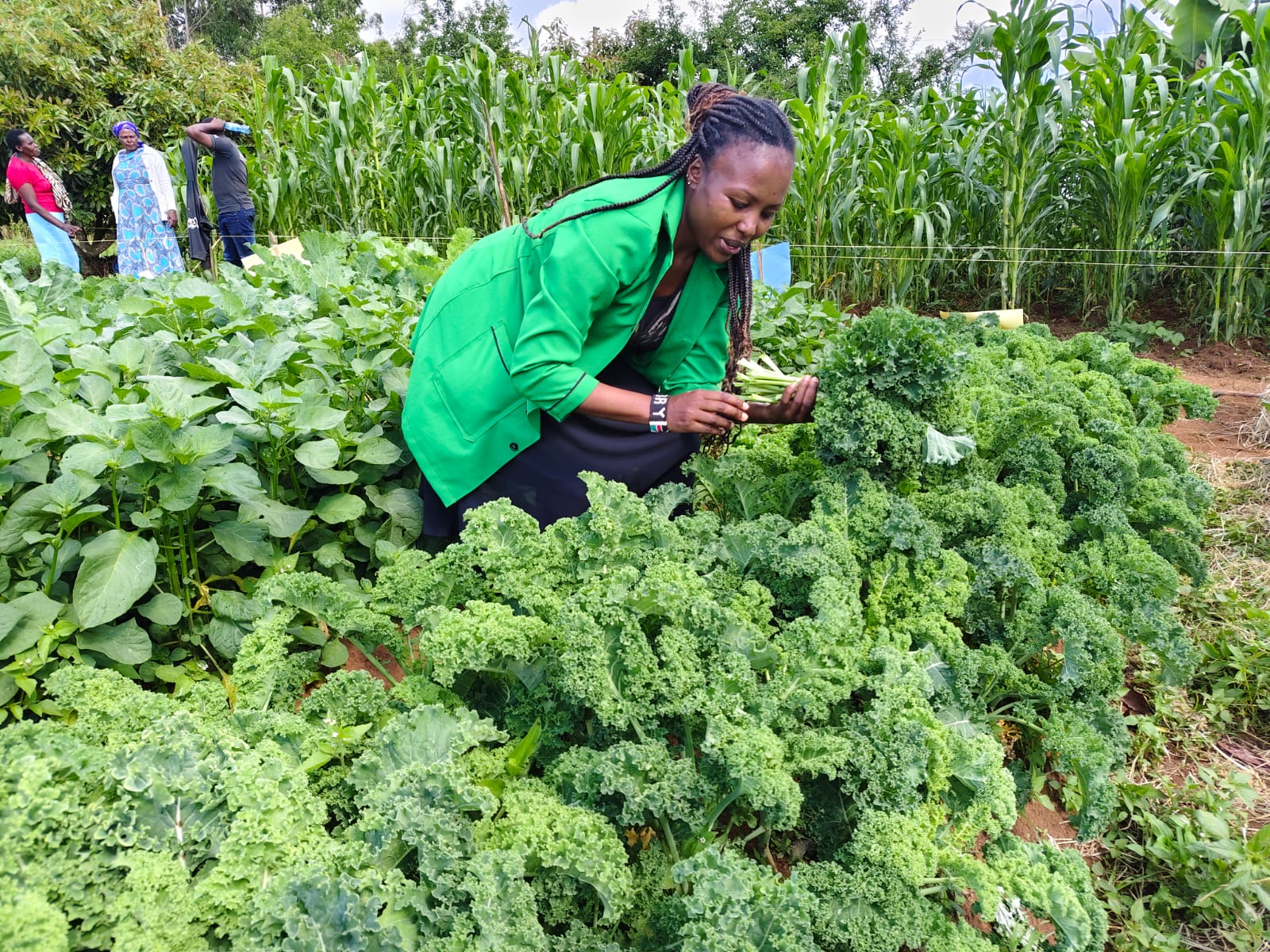
 Sarah Wambui, PELUM Kenya's zonal coordinator in Central and Nairobi regions, in an organic vegetables demo farm in Kinyona, Murang'a county/ ALICE WAITHERA
Murang’a County has rolled out a programme that will see local farmers engaged in producing organic foodstuffs for use in feeding programmes in local primary schools.
The initiative is being implemented by the county government in partnership with several organisations. They include Participatory Ecological Land Use Management (PELUM) Kenya, Digital Green, Kenya Organic Agriculture Network (KOAN), Institute for Culture and Ecology (ICE), and Practical Action.
The aim is to connect regenerative farming with the plates of thousands of school-going children, ensuring they consume safe food while creating a reliable market for locally produced organic crops.
According to Jacqueline Wangombe, a data scientist and project manager at Digital Green, the programme is expected to benefit more than 10,000 learners.
It will initially be piloted in schools across 15 wards before being rolled out to the rest of the county.
“What we are doing is identifying schools and their requirements when it comes to school meals—what produce and quantities they require and at what time,” Wangombe said.
The data collected will be uploaded onto Farmer Chat, an AI-powered tool developed by the partner organisations to provide real-time advisory services to the farmers.
“Farmers will be informed when a school requires supplies. For example, if a school needs cabbages, they will be told the quantities required and when to supply, so they can get in touch directly with the school,” Wangombe explained.
The programme is funded by the Rockefeller Foundation, which also supports other development projects in Murang'a.
Partners plan to collaborate with organisations already working with schools to effectively implement the feeding programme.
Wangombe said Farmer Chat already has over 200,000 farmers using it to access information on organic crop production and animal husbandry. Farmers can ask questions about pests, diseases, and farm management practices and receive instant responses.
On a monthly basis, about 30 percent of users actively engage with the platform, while over 70 per cent report adopting recommended practices and experiencing increased yields while having higher confidence in their farming practices.
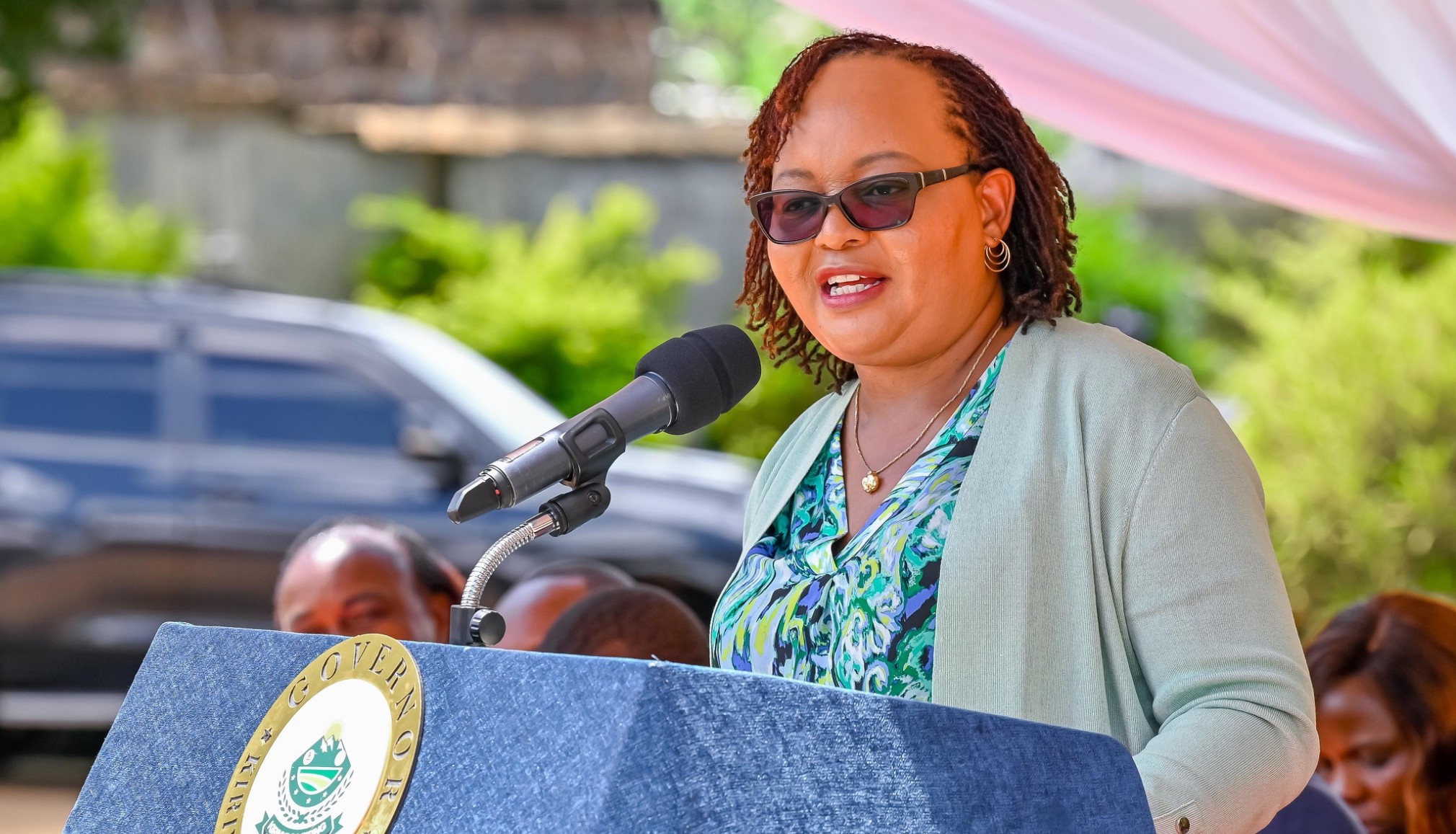
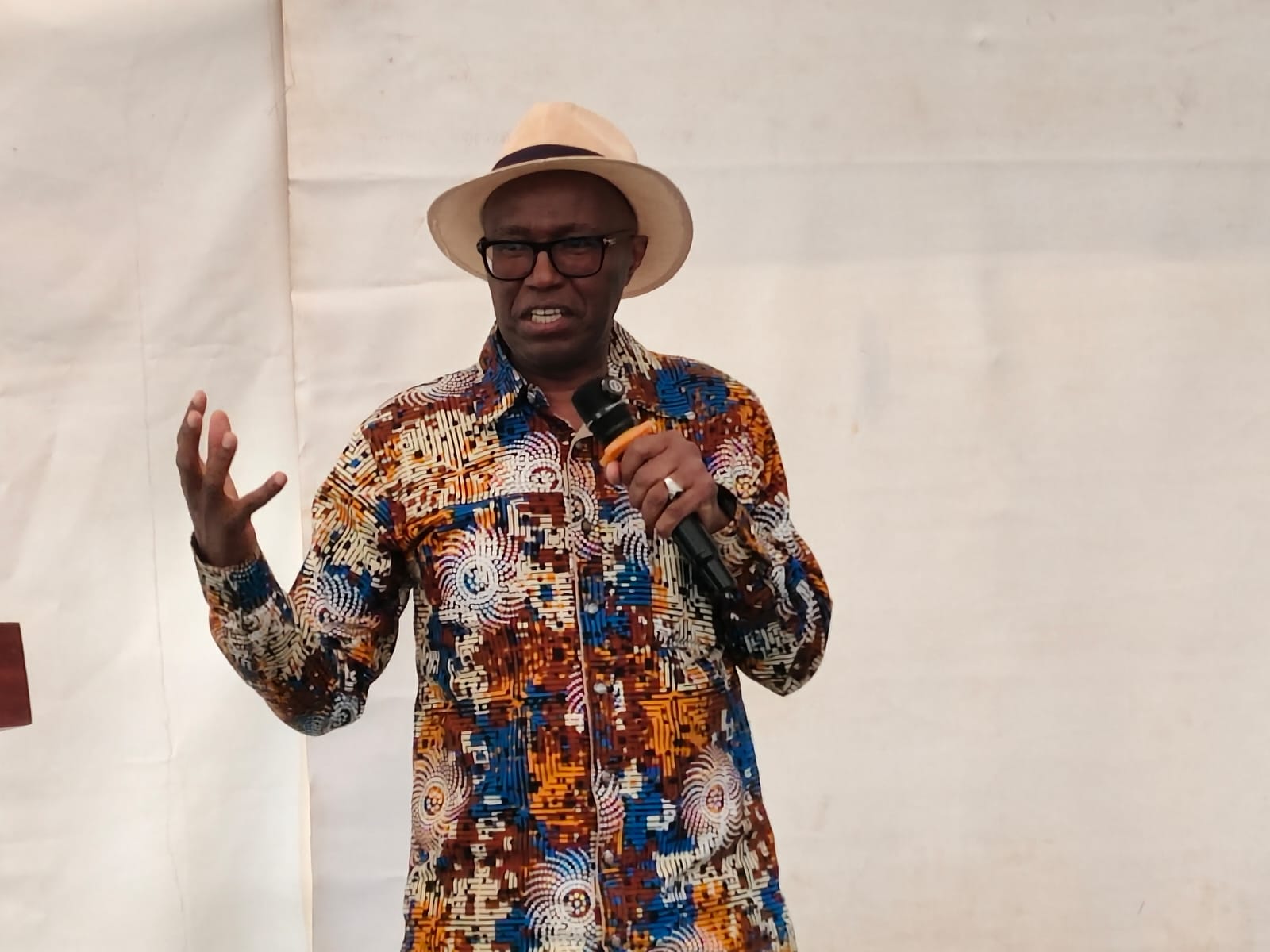 Murang'a County Executive Committee member for the Devolution and Agro-Ecology Kiringai Kamau addressing a Multi-stakeholders forum during the launch of agro-ecological food programme of April 3, 2026/ ALICE WAITHERA
However, access to smartphones remains a challenge for some farmers. Wangombe noted that many households have at least one device that can be shared. Network connectivity challenges have also hindered access.
“The app itself is free, but it requires downloading and updates. We are calling on telecommunication companies and the government to help subsidise data costs for farmers,” she said, adding that the target is to onboard more than 45,000 farmers.
Farmers will also be able to upload photos of crops with diseases or pests for diagnosis and receive advisory support through the platform.
Manei Naanyu, head of programmes at Participatory Ecological Land Use Management (PELUM) Kenya, said Murang’a has emerged as a model county in advancing agroecology, with many farmers shifting towards sustainable farming practices.
“We have used the county as a learning ground for farmers and policymakers from other regions. It has become a model for agroecology, and baseline results show that farmers here are well aware of these practices,” she said.
The programme targets smallholder farmers and aims to increase the consumption of food that is free from harmful agrochemicals.
At the national level, stakeholders have been pushing for the removal of harmful chemicals such as glyphosate from the market.
“We are encouraged that many harmful chemicals were withdrawn by the government last year, but the campaign continues as more still need to be removed,” Naanyu said.
Her organisation has also been promoting safer alternatives, including the use of locally made organic pesticides and fertilisers.
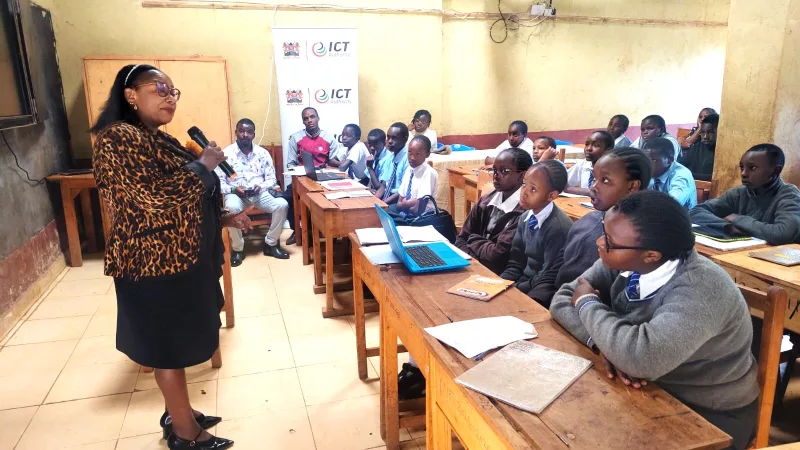
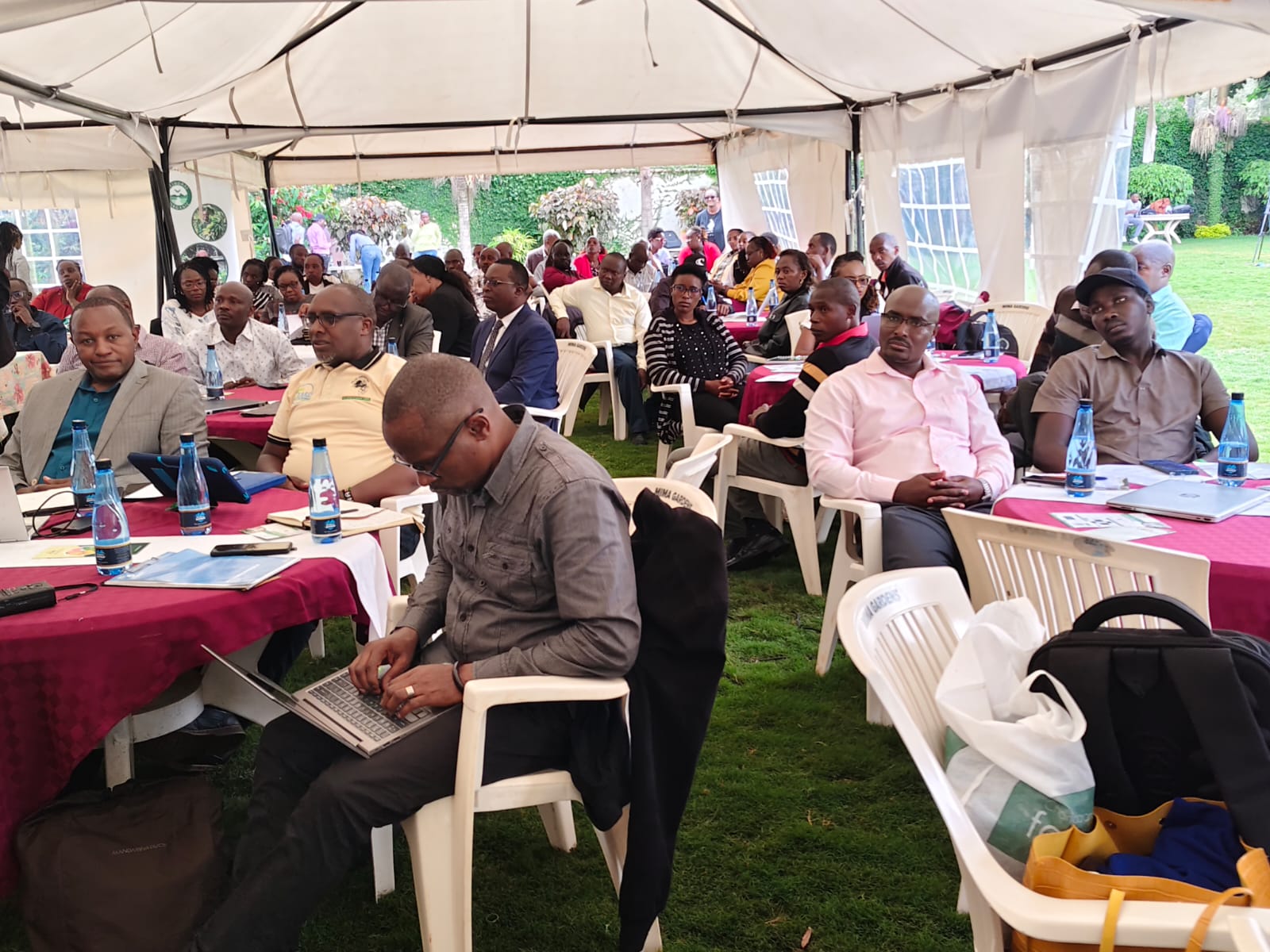 Stakeholders during the launch of agro-ecological school feeding programme in Murang'a on April 3, 2026/ ALICE WAITHERA
The continued use of harmful agrochemicals has previously seen some Kenyan produce locked out of export markets such as the European Union, despite many of the chemicals being imported from the region.
Kiringai Kamau, the Murang'a CEC for agro-ecology, micro-investment, partnerships and external linkages, said the programme will encourage farmers to adopt organic farming while instilling the culture among children.
“The intention is to ensure we produce food that is suitable for schools and that farmers supply it based on proper agroecological practices to guarantee the health of consumers,” he said.
Depending on individual school needs, the programme will include cereals, vegetables, potatoes, maize and other food crops.
“We will also explore integrating arrowroots and sweet potatoes into the programme and assess whether farmers supplying produce can be exempted from paying school meal costs for their children,” Kamau added.
Last year, the county launched the Food Farmacy programme, which trains residents on proper nutrition to help manage and prevent diseases. The initiative is being implemented by the Diabetes Awareness Trust and is set to establish centres in all 35 wards.
The programme is currently being piloted in Kangema and Kenol towns, areas identified as having higher cases of non-communicable diseases.
Murang’a's health budget stands at Sh3 billion annually, driven largely by high morbidity rates, which officials expect will significantly decline once these nutrition-focused interventions are fully implemented.