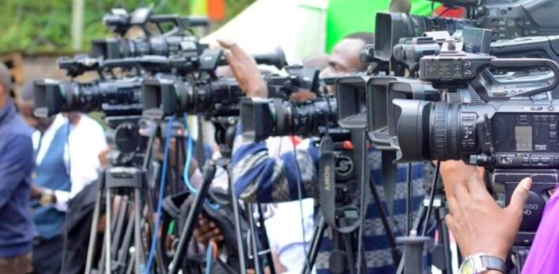
As Kenya approaches the 2027 general election, its media landscape faces significant tests. Journalism has long been the bedrock of democracy; informing citizens, holding power to account and amplifying diverse voices. Yet newsrooms are navigating an increasingly challenging environment where political pressures, financial instability and societal expectations collide.
The pressing question is whether Kenyan media can maintain its independence in a period when truthful reporting is needed most.
Political pressures have intensified. State advertising, long a lifeline for many outlets, can operate as both incentive and constraint. Media critical of government policies may see reduced funding, while those aligned with political interests are rewarded. State-owned media continue to reflect political priorities, raising concerns about impartiality.
Beyond finances, journalists face legal threats ranging from defamation lawsuits to selective enforcement of media laws. Covering corruption, elections, or other sensitive topics can result in harassment, intimidation, and, in some cases, arbitrary detentions. Even subtle pressures; peer scrutiny, management directives, or societal backlash, can chill investigative reporting.
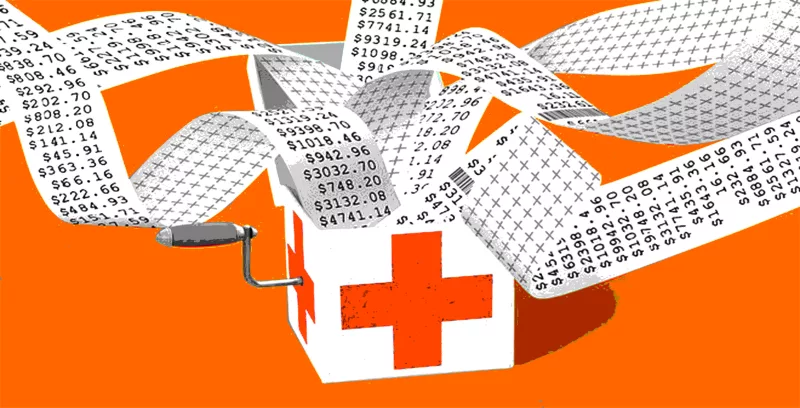
Economic challenges amplify these political pressures. Traditional revenue streams are declining as audiences shift online and advertising increasingly favours digital platforms. Many newsrooms operate under financial strain, leading to layoffs, contract insecurity and shrinking investigative capacity.
Journalists may self-censor or prioritise content that attracts advertisers instead of pursuing stories of public interest. Reliance on foreign funding, though valuable, can introduce editorial pressures. In such an environment, editorial independence is constantly tested.
Amid these pressures, institutions like the Media Council of Kenya provide essential support. Established to uphold professional standards, mediate disputes and protect journalists’ rights, MCK offers frameworks that promote ethical reporting and safeguards press freedom. It provides channels for journalists to report harassment, promotes ethical guidelines and facilitates professional development.
By engaging media houses, civil society and government stakeholders, MCK strengthens the resilience of the press. Its presence equips journalists with tools to operate safely, ethically and independently.
The record of recent years shows both resilience and vulnerability. Investigative reporting has exposed corruption scandals, political maneuvring and social injustices, demonstrating the courage of Kenyan journalists. Yet media polarisation and occasional suppression of dissenting voices reveal ongoing challenges.
With elections approaching, the stakes are higher than ever: voters rely on accurate, unbiased information to make informed decisions and any compromise in journalistic integrity risks distorting public debate and weakening democratic norms.
Kenya’s media freedom is also shaped by international expectations. The country is recognised as having a partially free press: legal protections exist, but practical challenges remain.
Ensuring journalists can report without fear, editorial decisions are not unduly influenced and audiences access diverse perspectives is essential for democracy. Institutions like MCK reinforce these protections through advocacy, guidelinesand dispute resolution, offering journalists a safeguard as they navigate a complex reporting landscape.
Looking ahead, diversifying revenue streams, investing in professional development and reinforcing legal protections are vital. Journalists must uphold ethical standards while building networks that provide safety and amplify accountability.
Media owners and policymakers must resist interference and uphold independence. Citizens and civil society can also support press freedom by demanding transparency, ethical reporting and accountability from both media and political actors.
Kenya’s media stands at a defining moment. Its independence is neither guaranteed nor impossible. The coming months will reveal whether journalists can navigate political and economic pressures, maintain integrityand uphold free expression, or whether fear and financial constraints will silence critical voices. With the guidance and support of institutions like the MCK, the country’s press is better equipped to meet these challenges and contribute to a credible, transparent and democratic electoral process in 2027.
The writer is research officer at the Media Council of Kenya