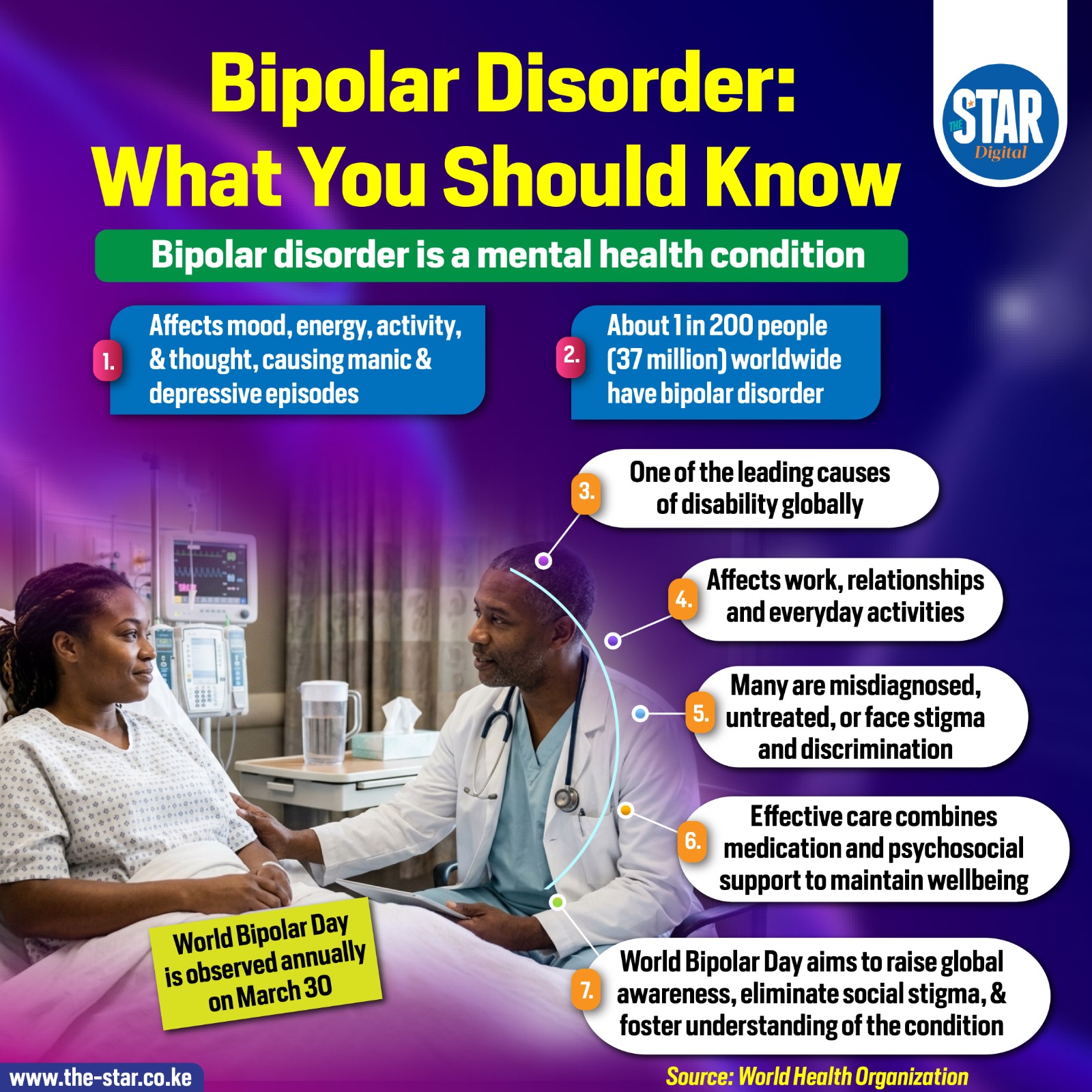
Bipolar disorder remains one of the most significant yet misunderstood mental health challenges of the modern era. Currently, approximately 37 million people worldwide—roughly 1 in every 200 individuals—live with this condition.
As a complex mental health disorder, it fundamentally alters a person’s mood, energy levels, and thought patterns, often manifesting in intense cycles of manic and depressive episodes.
The impact of the condition extends far beyond individual mood swings. It stands as one of the leading causes of disability on a global scale, frequently disrupting a person’s ability to maintain steady employment, foster healthy relationships, and navigate the demands of everyday activities.
Despite its prevalence, the path to wellness is often obstructed by systemic barriers. Many individuals living with the disorder face a grueling journey marked by frequent misdiagnosis or a complete lack of access to medical care.
Furthermore, the persistent shadow of social stigma and discrimination continues to prevent many from seeking the help they desperately need.
Effective management of the condition is possible through a dual-pronged approach that combines clinical medication with consistent psychosocial support to maintain long-term wellbeing.
In a global effort to bridge the gap between suffering and support, World Bipolar Day is observed annually on March 30. This initiative aims to raise international awareness, eliminate the social hurdles created by stigma, and foster a deeper global understanding of the condition to ensure that the millions affected can lead functional, supported lives.