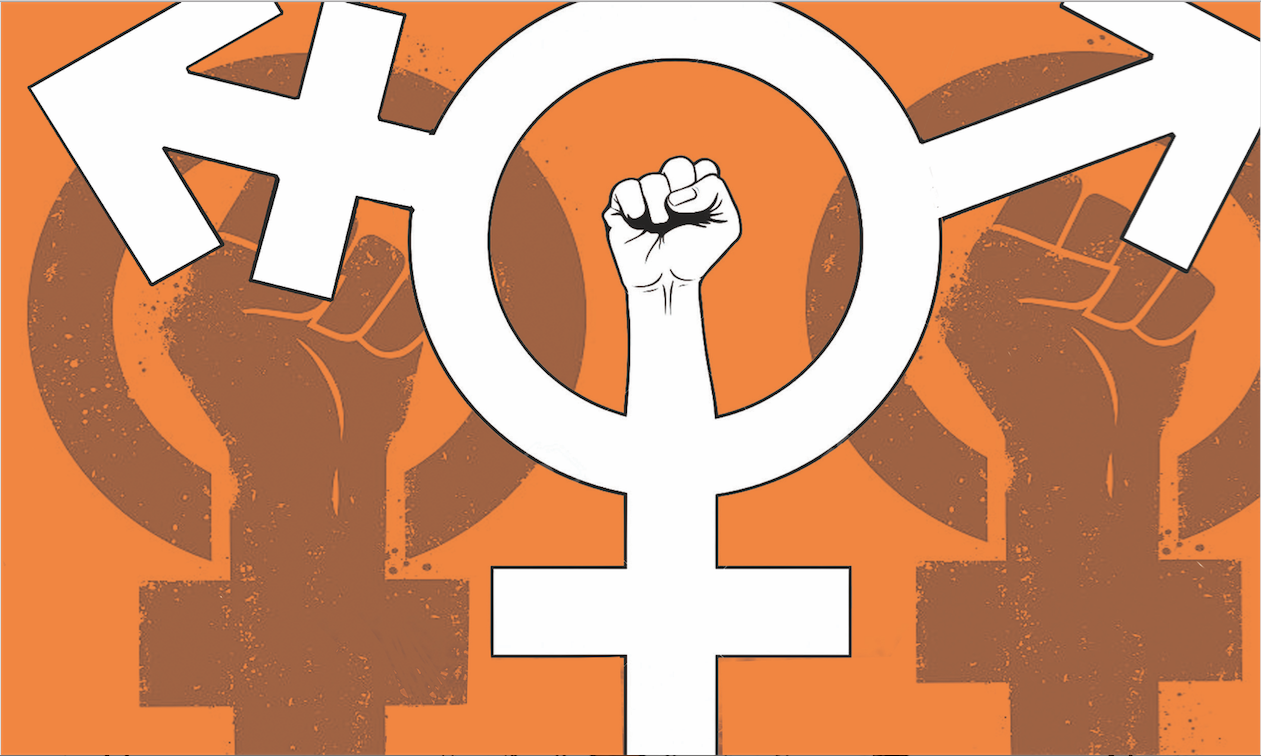
Tuesday was Trans Day of Visibility.
It was a moment to recognise the resilience of gender-diverse people and the reality of living openly in a world that often resists it. It was also a moment to confront a harder truth that in Kenya, being seen is not the same as belonging or having power.
A person can be visible on social media, in public or even in protest, and still be excluded from the decisions that shape their life. Article 38(3) of the constitution guarantees every adult Kenyan the right to be registered as a voter, while Article 100 calls for the enactment of legislation to promote the representation in Parliament of, among others, marginalised communities.
But many remain excluded. Sexual and gender minorities continue to face stigma, criminalisation and violence. The Penal Code provisions on same-sex relations enable harassment, blackmail and abuse. Police and communities have evicted, assaulted and extorted people based on real or perceived identity. Transgender persons, often the most visible, bear the brunt of this exposure.
For transgender Kenyans, exclusion is also administrative. Identification documents often do not reflect their lived identity. Name changes are difficult to obtain, and gender markers are rarely changed to reflect the applicant’s true identity. As a result, something as basic as registering to vote or casting a ballot becomes complicated, despite being a constitutional right.
At the same time, young Kenyans are taking action. The “Niko Kadi” campaign, started by Allans Ademba, has turned voter registration into a visible, collective act. The Gen Zs are documenting their registration journeys and sharing proof online.
This shift is not accidental. After the 2024 anti-Finance Bill protests, which morphed into demands for broader governance reforms, many young people recognised that visibility alone does not produce change. Participation does. Registering to vote does. And this is one of the surest ways to get those who can work for us and bring about change.
Sexual and gender minorities were part of those protests. They organised, mobilised and showed up. In big numbers. They must not be absent when decisions are made. They must be at the front and centre of the actions for change. Because voting is where visibility begins to carry weight.
When we register, we do more than add names to a list. We make the state count us. We force recognition as citizens with a stake in how the country is governed. The numbers make this clear. Young people make up the majority of Kenya’s population but remain underrepresented in voter registration. That gap allows power to ignore them. Closing it would shift the political landscape.
The same applies to all marginalised groups like informal workers, rural communities, persons with disabilities, stateless people and those pushed to the edges of citizenship. Exclusion from participation reinforces exclusion from power.
For sexual and gender minorities, registering is not just a civic duty. It is a political act. It is a refusal to remain peripheral in a system that has not been built to include them. It is an act of defiance.
Of course, voting will not eliminate discrimination overnight. But it changes the terms of engagement. It forces the system to respond to those who can influence outcomes. As we marked Trans Day of Visibility, the question was, and still is, not whether we are seen. It is whether we are counted.
If power is allocated through numbers, will we show up as numbers? Kenya should not only recognise marginalised people in moments of suffering. It must account for them in moments of decision. Visibility made us known. Being counted is what will make us matter.
Transgender Rights Lead at the Kenya Human Rights Commission