Safaricom is ramping up its push to grow earnings for content creators, rolling out new digital platforms and partnerships as it shifts from traditional telco services to a broader role as an enabler of Kenya’s fast-expanding creator economy.
The move reflects changing consumer behaviour and the rapid rise of digital content creation, with industry estimates showing nearly one in four Kenyans is now involved in some form of content production from music and video to gaming and digital storytelling.
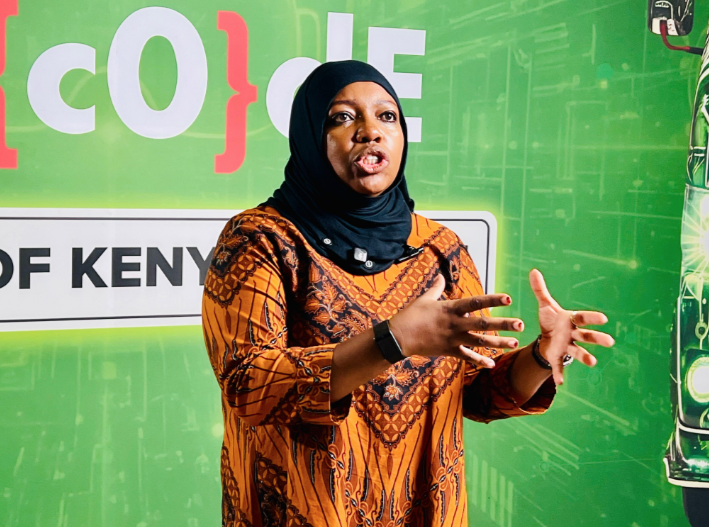
Speaking at the De{c0}de 4.0 summit in Nairobi, chief consumer Business officer Fauzia Ali said the company is deliberately transitioning from providing visibility through events to building sustainable systems that allow creators to monetise consistently.
“The creative economy is a powerful platform for young people. It allows them to not only to showcase their creativity, but also to earn from it,” she said.
Fauzia said the future of the sector will depend on how well stakeholders build the right support structures.
At the centre of Safaricom’s strategy is Baze, a new digital platform positioned as the evolution of its long-standing Skiza service.
For years, Skiza has been a key revenue stream for artists through ringback tones, paying out about Sh1.5 billion annually.
However, with the widespread adoption of smartphones, user preferences have shifted towards full digital experiences, including streaming music, video content and interactive engagement with creators.
Baze is designed to respond to this shift. The platform will allow creators to upload a wide range of content including music, videos, podcasts and educational material and distribute it directly to Safaricom’s 58 million customers.
The company says the platform will feature improved monetisation models, giving creators more opportunities to earn from their work.
“We are moving from single-format services like ringback tones to a richer digital ecosystem that supports the full creator journey,” Fauzia said.
Safaricom is also encouraging creators to adopt a multi-platform approach, distributing their content across services such as Boomplay, Spotify and Apple Music to maximise reach and revenue streams.
Beyond distribution, the telco is leveraging its mobile money platform M-Pesa to strengthen monetisation.
With more than 40 million users, M-Pesa is expected to play a central role in enabling faster and more flexible payments for creators.
Safaricom is exploring shorter payout cycles and even near real-time payments, responding to concerns from artists about long delays in receiving their earnings.
The company is also considering new revenue models, including tipping features that would allow fans to directly support creators.
This approach seeks to unlock additional income streams, particularly in a sector where multiple stakeholders including producers, writers and performers often share rights to content.
In addition to monetisation, Safaricom is addressing structural challenges within the creative industry, particularly around intellectual property rights.
According to Fauzia, many artists lose out on earnings due to unfavourable contracts that strip them of ownership.
“We are seeing cases where artists have very popular songs but do not benefit financially because they signed away their rights,” she said.
“We are working to equip creators with the knowledge they need to protect their intellectual property.”
Through nationwide engagements and legal support initiatives, Safaricom is helping creators understand contract terms and negotiate fairer deals.
The company is also considering the establishment of creator hubs across the country, following requests from artists.
These hubs would provide affordable access to recording studios and production facilities, particularly for emerging talent that may lack the resources to produce professional content.
Safaricom’s investments extend to infrastructure, which it describes as the foundation of the digital creative economy.
The company has achieved over 97 per cent 4G population coverage, is expanding its 5G network and has deployed more than 21,000 kilometres of fibre.
This connectivity ensures that content can be created, uploaded and consumed efficiently.
Fauzia said partnerships remain a key pillar of its strategy. Safaricom is working with platforms such as Showmax and Canal+ to promote local content, while also supporting startups through initiatives like the Spark Accelerator in partnership with iHub.
The company is also investing in youth-focused programmes, including creator camps run in collaboration with Sprite, which provide training on content creation, distribution and monetisation.
Gaming, identified as a fast-growing segment, is also receiving increased attention through tournaments and partnerships aimed at nurturing talent.
Despite these efforts, Safaricom acknowledges that challenges remain, particularly in bridging the digital divide.
Around 12 million people on its network have never accessed the internet, limiting both content creation and consumption.
To address this, the company is promoting device affordability through financing models such as buy-now-pay-later, which now account for a significant share of handset purchases.
For creators, these interventions are already making a difference. Musician Iyanii said improved monetisation frameworks are essential for sustaining careers in the creative sector.
“You can be creative, but making money from your art is what allows you to sustain yourself,” he said.
Iyanii added that platforms and forums like De{c0}de are helping artists better understand how to grow their income.
Musician Ssaru said the evolution of technology and platforms is opening up new possibilities for creators while also shaping how culture is expressed and preserved.
“I think what it means to me is that we have our own culture in music like Gengetone, in everyday life, even in how we move and express ourselves,” she said.
“Technology has really changed a lot. Right now we have AI and digital platforms, and even things like Safaricom bundles that allow people to access and view content. There’s something new every day that makes content better.”

She said the importance of creators staying rooted in cultural identity even as the industry evolves.
“It’s important to protect our culture because audiences connect with authenticity. Young people relate to a certain character or charisma that I bring out through my music, and that represents where we come from,” Ssaru said.
She also highlighted monetisation as a key issue discussed during the forum, noting that financial support is critical for creators to grow and sustain their work.
“We’ve had very productive discussions today. One thing that stood out is that you cannot create without money, and you cannot grow as a creator without income. For the Kenyan music industry to grow and go beyond, we have to focus on how creators earn,” she said.
She noted that there is a growing shift towards local content consumption, which presents an opportunity for Kenyan artists to scale.
“Right now, we are consuming more of our own content than before, and that’s a big opportunity for the industry,” she said.
As Kenya’s creative economy continues to expand, Safaricom says its long-term focus will be on building the systems that allow creators to thrive from connectivity and payments to platforms, partnerships and global market access.