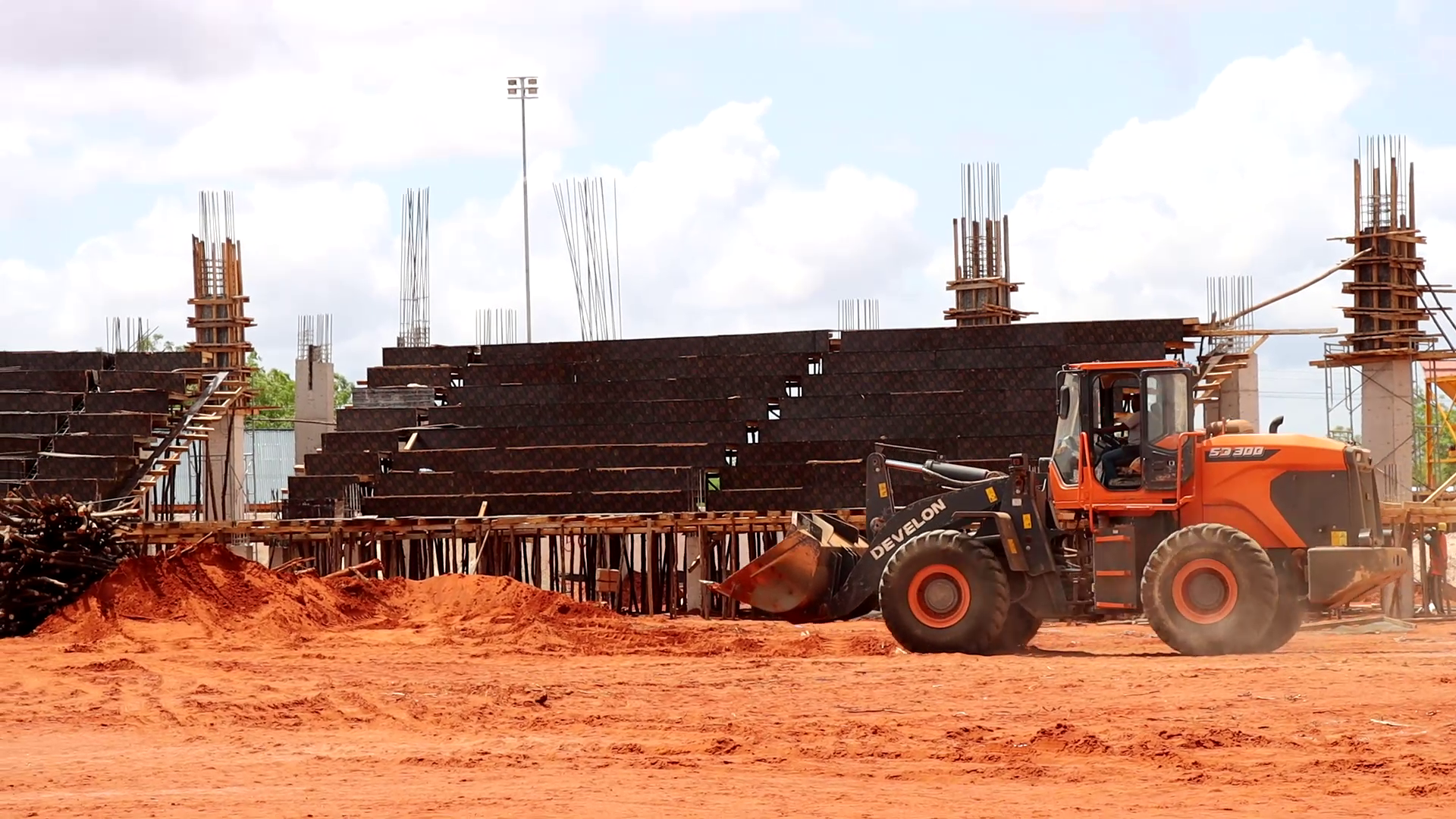
 Ongoing construction works at Wajir airport /STEPHEN
ASTARIKO.
Ongoing construction works at Wajir airport /STEPHEN
ASTARIKO.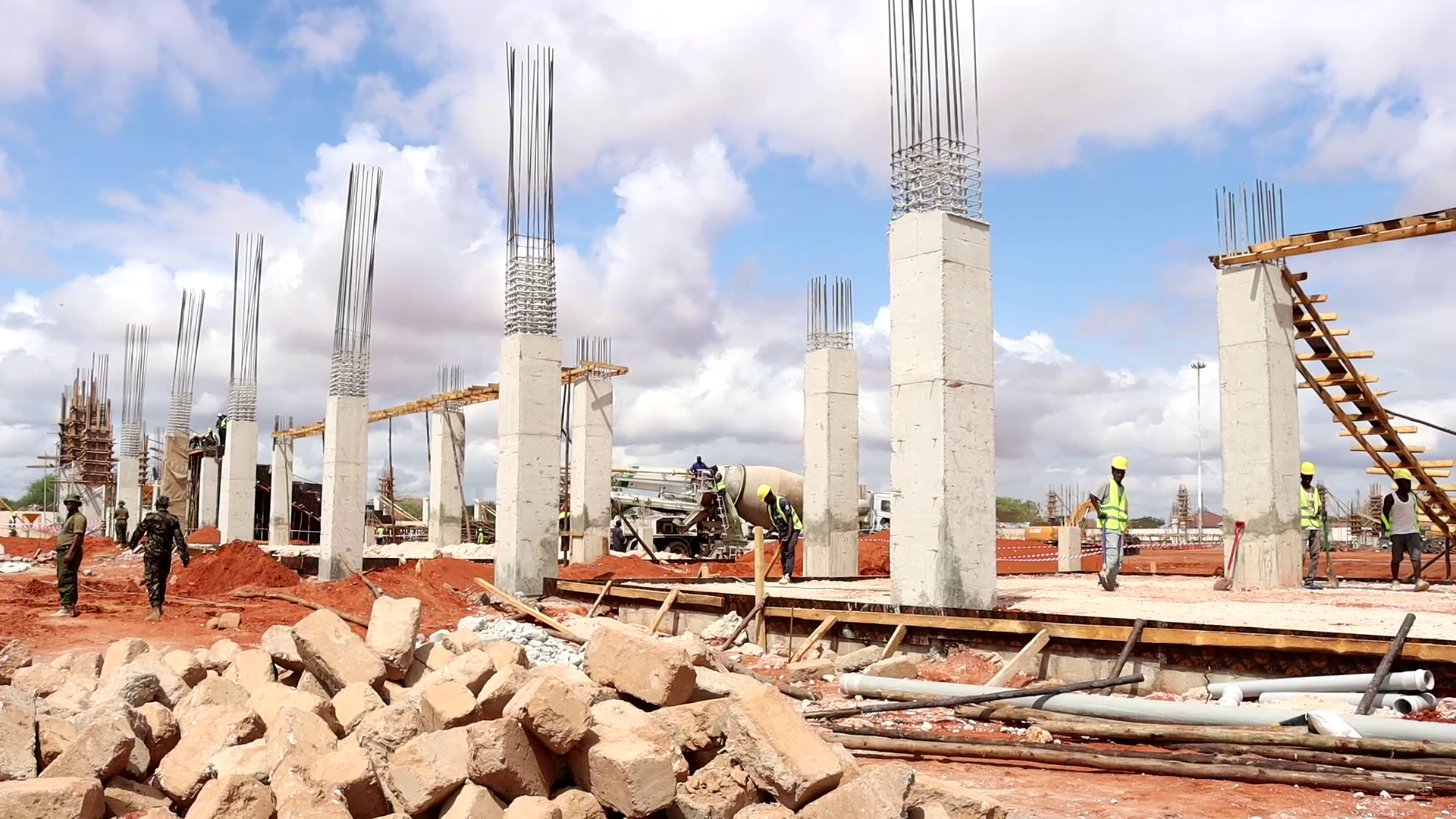 Ongoing construction works at Wajir airport /STEPHEN
ASTARIKO.
Ongoing construction works at Wajir airport /STEPHEN
ASTARIKO.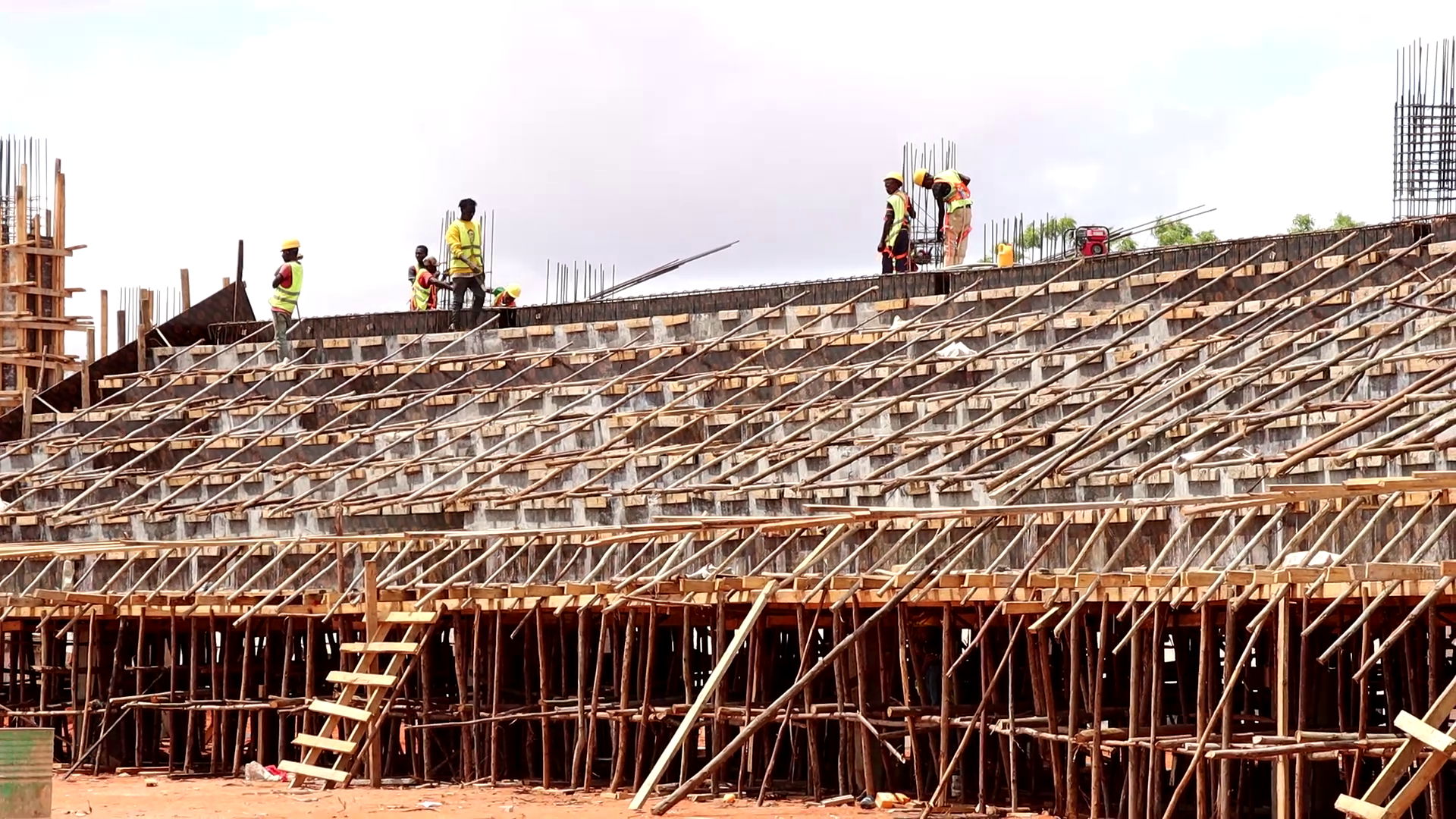 Ongoing construction works at the Wajir stadium. /STEPHEN
ASTARIKO.
Ongoing construction works at the Wajir stadium. /STEPHEN
ASTARIKO.
Interior PS Raymod Omollo has exuded confidence with the progress made in the ongoing works in Wajir in preparation for the Madaraka Day fete to be hosted in the town on June 1
On Thursday, PS Omolo led a high-level delegation from the national government to tour key development projects across the county to assess readiness ahead of the historic event.
The team was received by Wajir Governor Ahmed Abdullahi.
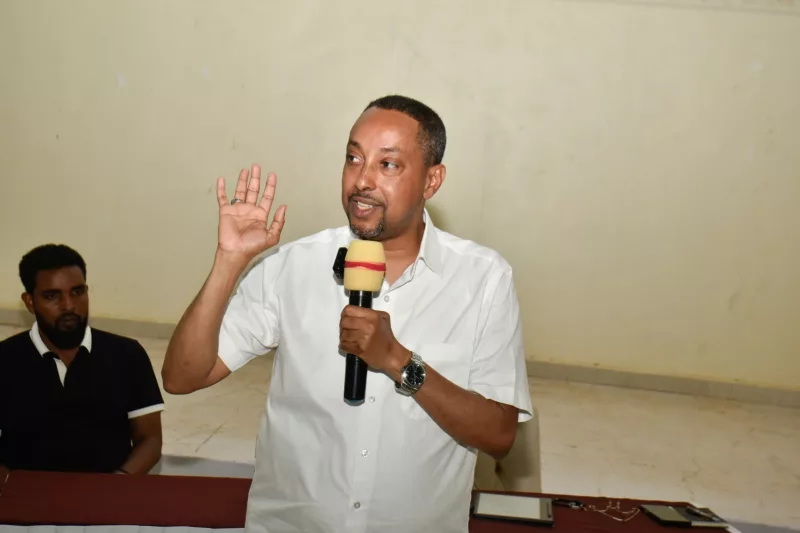
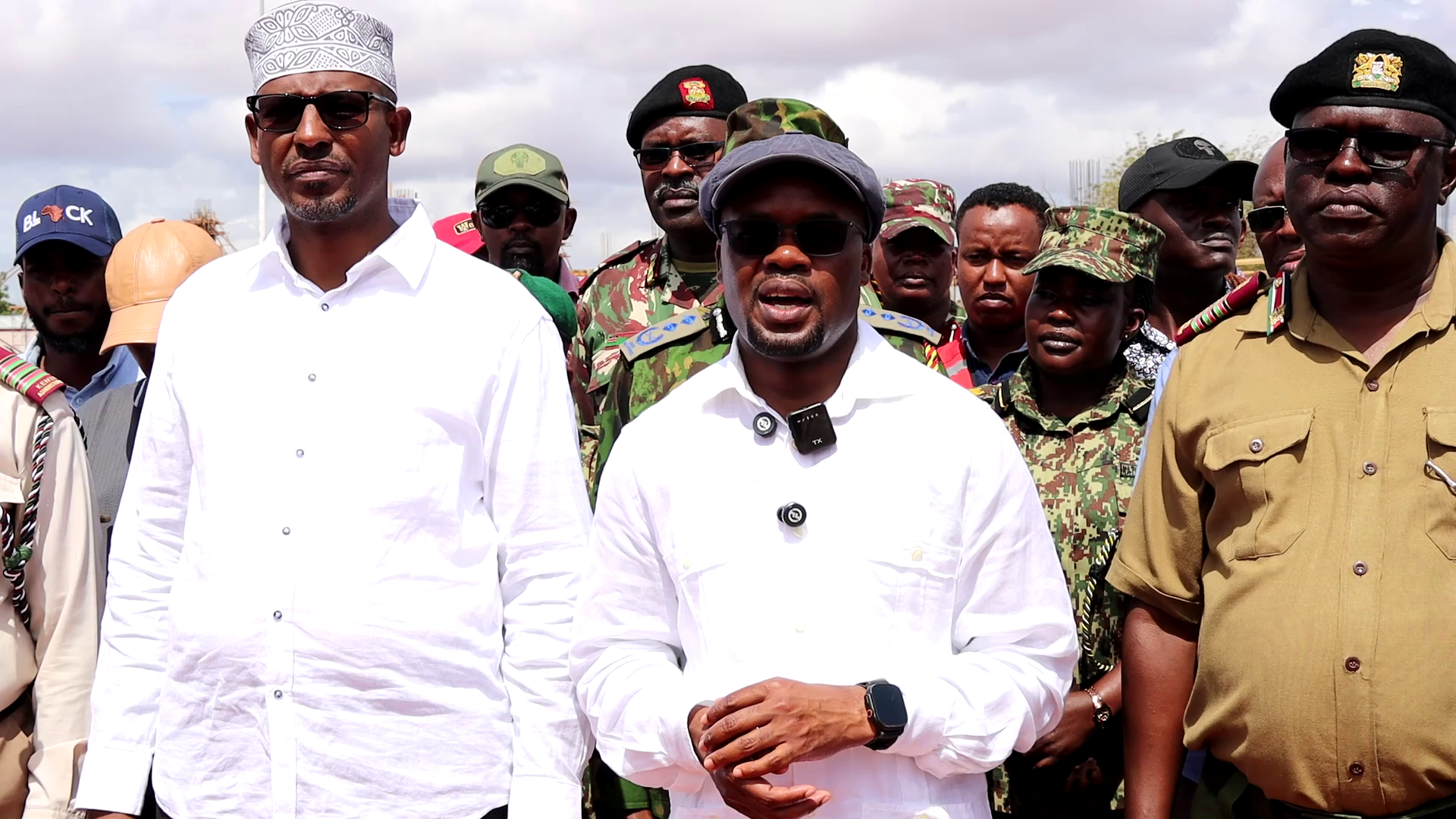 Interior PS Raymod Omollo speaking to the press. /STEPHEN ASTARIKO.
The delegation which included Government Spokesperson Isaac Mwaura, NEP regional commissioner John Otieno among other leaders inspected several flagship projects initiated under President William Ruto.
The team also inspected the construction of Wajir National Stadium, expansion works at Wajir International Airport, upgrading of major roads to bitumen standards, and improvements to facilities earmarked for hosting state functions.
Speaking during the inspection, PS Omollo said the visit was aimed at evaluating progress across key work streams critical to delivering a successful national celebration.
He noted that construction of the main venue, Wajir National Stadium, is currently at 28 per cent completion, with works progressing at an accelerated pace.
“If you look around, there is visible progress, and we expect the stadium to be ready by the second week of May,” he said.
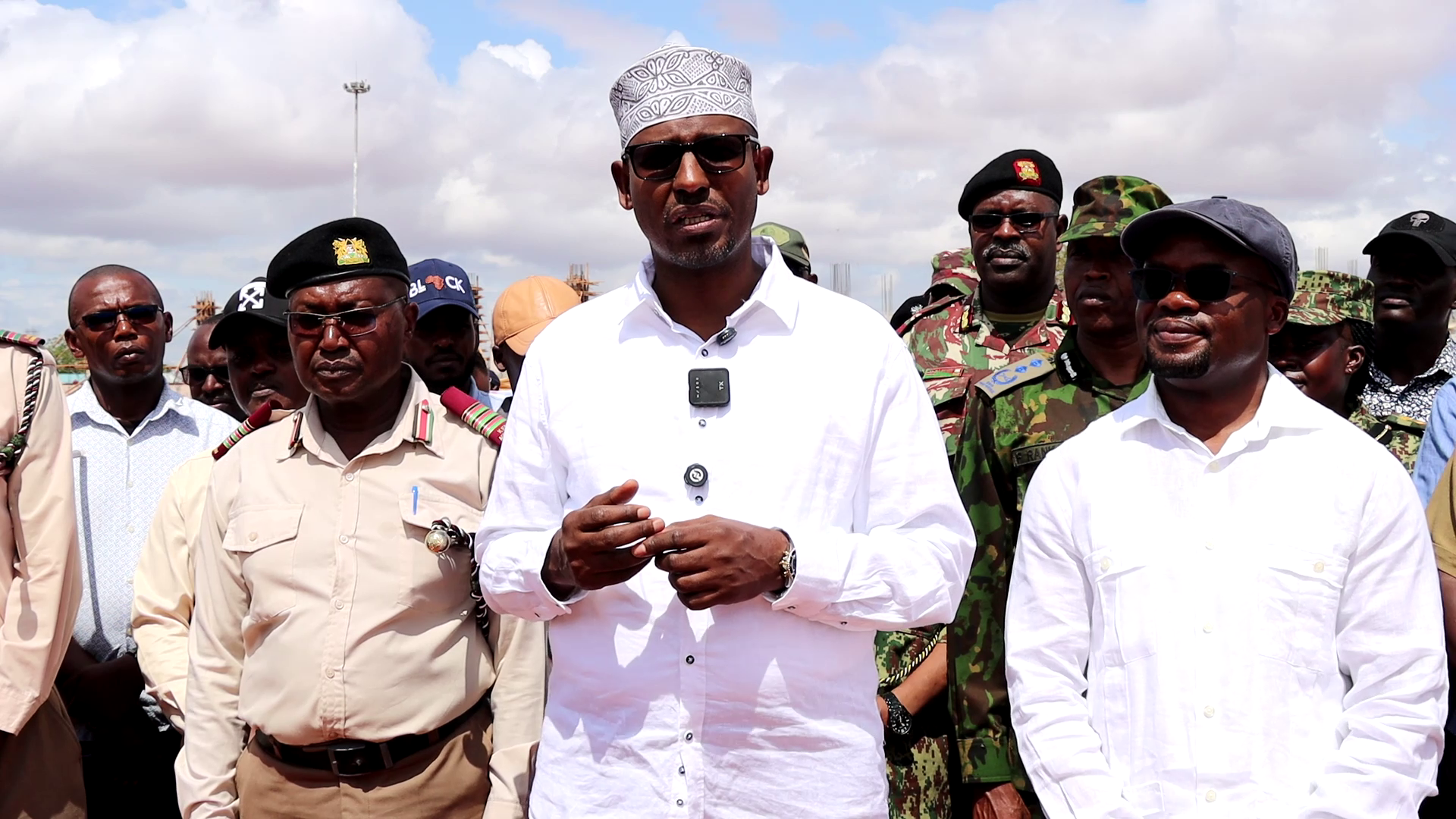 Wajir Govenor Ahmed Abdullah speaking to the press. /STEPHEN ASTARIKO.
At the airport, ongoing upgrades to the taxiway and apron are underway, with construction of a new terminal expected to begin within April.
The improvements aim to separate military and civilian operations and enhance both domestic and international travel.
PS Omollo further highlighted infrastructure upgrades being undertaken by the Kenya Urban Roads Authority, including feeder roads within and around Wajir town, as well as interventions in the energy and water sectors.
Teams from the Ministry of Energy are working to stabilise electricity supply in the region, while water projects are being implemented to ensure adequate supply during the celebrations.
“Overall, we are satisfied with the progress and the level of preparedness so far. I want to commend the county government for its cooperation,” he said.
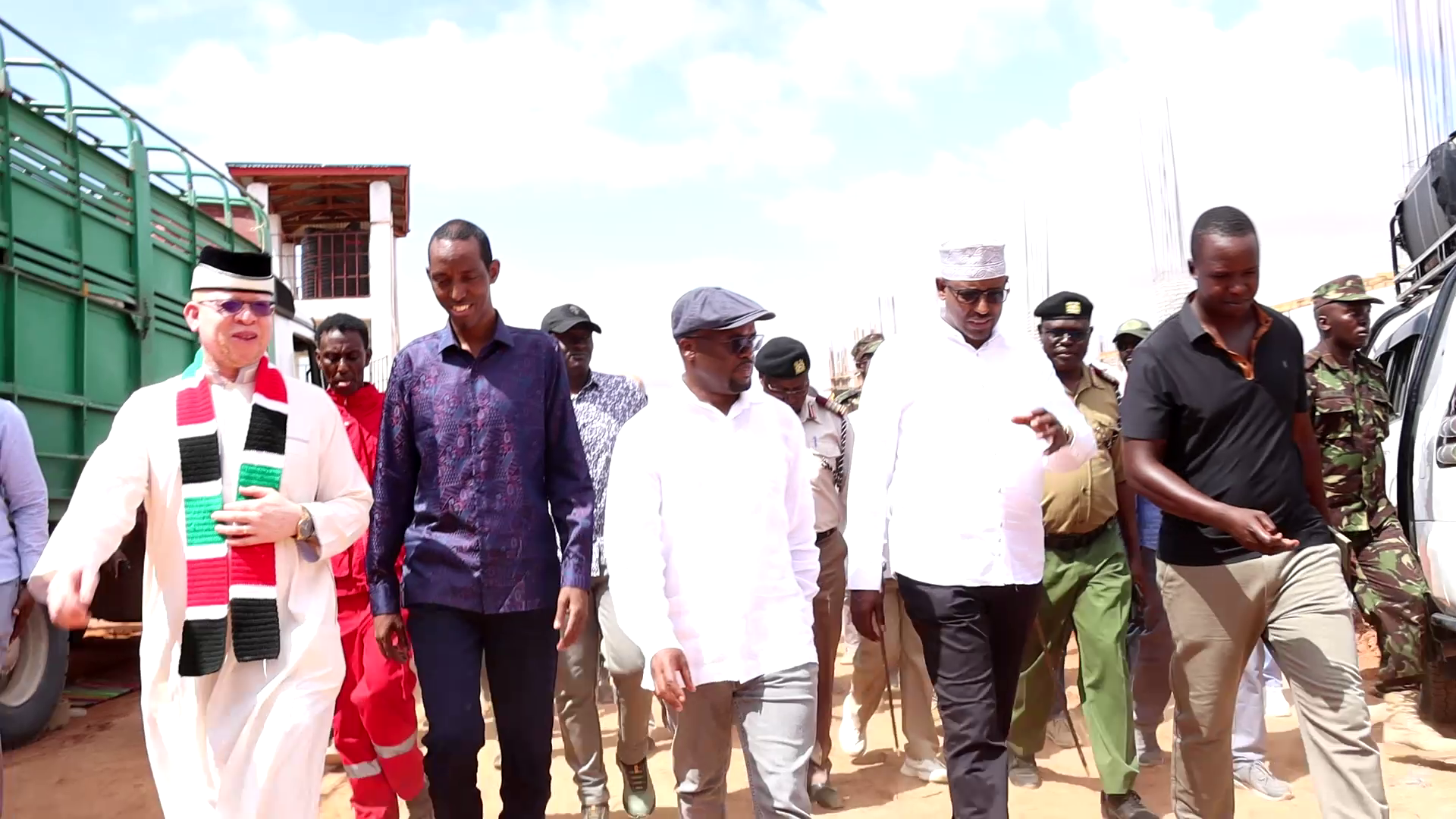 Leaders tour the Wajir stadium that is under construction./STEPHEN ASTARIKO
Wajir Governor Ahmed Abdullahi welcomed the developments, describing the opportunity to host Madaraka Day as both historic and transformative for the region.
“When the President accepted our request, many doubted it would be possible, especially the construction of a stadium within such a short time. But in less than a month, we are already nearing 30 percent completion, and we have assurances it will be ready by May 15,” he said.
The governor also pointed to long-awaited upgrades at Wajir International Airport, including the construction of a commercial terminal, which he said would unlock new economic opportunities for residents.
“For over 25 years, we have pushed for a civilian terminal. This project will significantly boost connectivity and economic activity in Wajir,” he noted.
On energy, Abdullahi said the county is receiving support to address persistent power challenges, including plans to connect Wajir to the national grid—an initiative expected to be outlined by the President during the celebrations.
Describing the event as a “once-in-a-generation opportunity,” the governor pledged full support from the county government to ensure the success of the national celebrations.
Wajir will become the first county in the region to host Madaraka Day, marking a significant milestone in efforts to decentralise national events and spur development in historically marginalised areas.