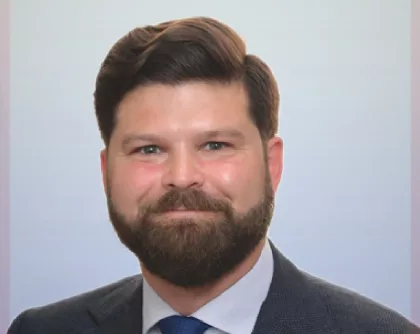
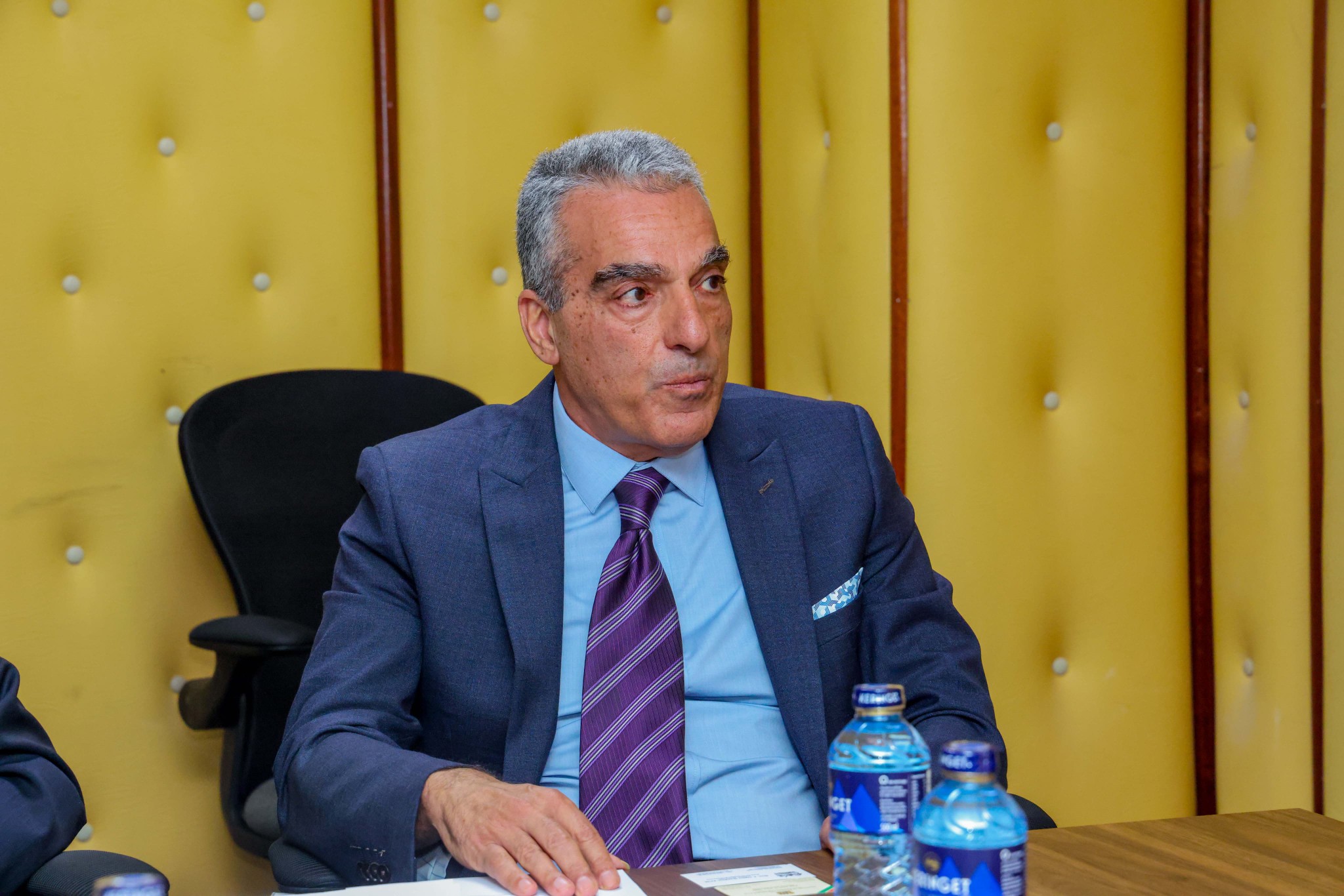
 H.E. Gideon Behar, Ambassador of Israel to Kenya, Uganda and Ambassador Designate to Tanzania, Malawi and Seychelles./HANDOUT
Water has always been the foundation of life. Yet today it is becoming one of the defining challenges of our time. As the world marks World Water Day this month, Africa is experiencing what climate scientists have long warned about: water is arriving in extremes.
Across the continent, the story of water is increasingly a story of contrast. In the Horn of Africa, countries such as Somalia and Ethiopia continue to face recurring drought cycles that leave pastoralist families searching for water for both people and livestock.
Yet in southern Africa, the opposite problem is unfolding. Torrential rains have recently brought destructive flooding to Malawi and Mozambique, washing away homes, damaging crops, and forcing thousands of families to flee rising waters.
These extremes are becoming more frequent as climate change disrupts rainfall patterns across the continent. Even within individual countries, both realities can exist at once.
In northern Kenya, for example, counties such as Mandera and Wajir remain under drought alert, with millions facing food insecurity. Yet in other parts of the country, heavy rains have triggered flooding and flash floods.
Drought and floods are no longer separate crises. They are two sides of the same water challenge. And that challenge extends far beyond the environment. Water security now sits at the intersection of economic stability, food production, and human resilience.
Recognising this urgency, the African Union earlier this year declared 2026 the year of water and sanitation under the theme “Assuring Sustainable Water Availability and Safe Sanitation Systems to Achieve the Goals of Agenda 2063.” The numbers behind that decision are sobering: more than 400 million Africans lack access to water, while over 800 million lack basic hygiene services.
Water also has a diplomatic dimension. Around 90 per cent of Africa’s surface water crosses national borders, while roughly 40 per cent of Africans rely on shared aquifers. Rivers and groundwater systems do not follow political boundaries, making cooperation between countries not just desirable, but essential.
The global conversation is also intensifying. The 2026 UN Water Conference, to be co-hosted by the United Arab Emirates and Senegal in December, will focus on accelerating progress toward Sustainable Development Goal 6, ensuring water and sanitation for all.
If you can’t tell already, for me, these conversations are also personal. Before arriving here as Ambassador, I spent six years serving as Israel’s Special Envoy for Climate Change and Sustainability.
Much of my work during that time focused on water security and how countries can prepare for a future where rainfall becomes less and less predictable. I have dedicated my career to turning environmental threats into opportunities for adaptation.
Israel understands this challenge well. Nearly 60 per cent of our land is desert, and rainfall is limited and highly variable. Yet rather than accepting scarcity as destiny, Israel chose to treat water as a strategic national priority. Over several decades, that decision transformed the way we manage water.
Today, Israel produces more than 600 million cubic meters of drinking water each year through desalination, with new facilities expected to increase this capacity to around 900 million cubic meters in the coming years. At the same time, Israel treats 96 per cent of its wastewater, the highest rate in the world, allowing most of it to be reused in agriculture.
Equally important is efficiency. Israel loses only about 7 per cent of its water through leaks, one of the lowest rates globally. In many countries, water losses from ageing infrastructure can reach 30 to 40 per cent.
Agriculture has also benefited from innovation. Technologies such as drip irrigation, originally developed in Israel, allow farmers to produce more crops while using significantly less water. However, none of these achievements happened overnight. They were the result of long-term planning, investment in technology, and the understanding that every drop of water must be managed carefully.
Today, Israel is sharing that experience across Africa through partnerships between governments, innovators, and civil society organisations. Israeli organisations such as CultivAid is working with farmers in Kenya and Tanzania to introduce climate-smart agriculture and modern irrigation methods that increase yields while conserving water.
Water for Mercy is also an organisation helping pastoralist communities in Kenya build sustainable water systems using Israeli solar, water, and agricultural technology to power boreholes and water storage infrastructure that allow livestock and farms to survive prolonged dry periods.
Another Israeli initiative is Innovation: Africa, which operates across several African countries, including Uganda, Ethiopia and Tanzania, using Israeli solar technology to pump groundwater for rural villages that once depended on distant wells. Since 2008, they have provided over 6 million people with access to water.
In many of these communities, the change is immediate and deeply human. When a reliable water source exists, children spend less time walking long distances to fetch water and more time in school. Farmers can grow crops even during dry seasons. Families gain stability in the face of an uncertain climate.
Africa’s water future will ultimately be shaped by African leadership and local solutions. Yet several lessons from Israel’s experience may offer inspiration.
First, treat water as a strategic national resource. Long-term planning is essential in a climate-uncertain world.
Second, invest in efficiency before expansion. Fixing leaks and improving irrigation can create a significant “new” water supply without building new dams.
Third, embrace innovation, from desalination and wastewater reuse to solar-powered water systems. And lastly, another strategy to strengthen water security is to focus on water harvesting and aquifer recharge.
Instead of allowing heavy rains and stormwater to flow away unused, this water can be captured and stored, allowing it to replenish underground aquifers that communities depend on during dry periods. In a changing climate, treating excess water as a resource rather than a problem can significantly improve long-term resilience.
Standing anywhere on the African continent, it becomes clear that water shapes everything: agriculture, energy, health, and economic opportunity. But water can also be a powerful bridge for cooperation. Israel is proud to work alongside African partners in this effort. The solutions already exist. The real question is whether we will move quickly enough to implement them.
Because in every language and every culture, one truth remains universal: maji ni uhai — water is life.
Asanteni!
H.E. Gideon Behar, Ambassador of Israel to Kenya, Uganda and Ambassador Designate to Tanzania, Malawi and Seychelles.