What began as a simple act of care from his father has turned into a painful and life-altering ordeal.
In early 2007 in Kilifi county, a seven-year-old boy was excited when his father offered to take him to school. He imagined the pride of being seen arriving like other children who were driven to school by their parents.
However, his journey took a different turn.
Jeremy (not his real name) recalls being taken to a remote home where a ritual was performed. Confused and afraid, he watched as events unfolded, unaware that this moment would mark the beginning of years of abuse.
Back home, his father allegedly threatened him into silence. What followed was repeated abuse that he endured in fear.
“I was too scared to tell anyone,” he says.
Despite the pain, he continued living under strict control. He was forced to pretend to go to school daily, while secretly struggling with injuries and trauma.
At school, his condition began to raise concern. But fear of punishment and shame kept him from telling the truth.
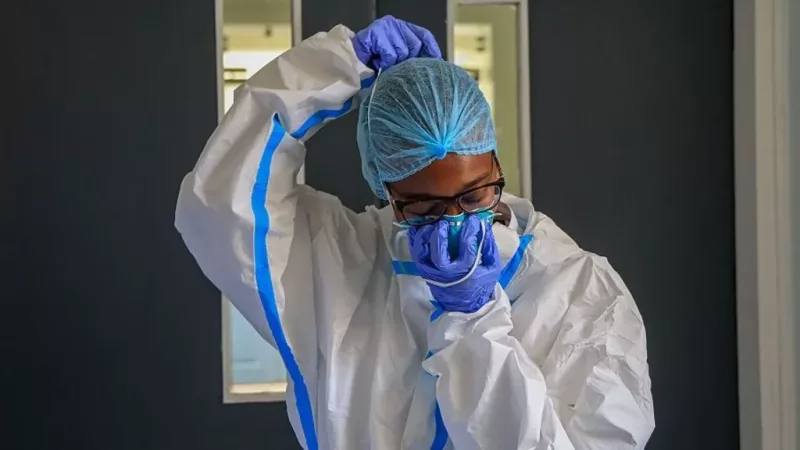
Eventually, his situation came to light after intervention by authorities. He was rescued and placed in a children’s home, where he began receiving medical care and support.
Years later, Jeremy discovered he was living with HIV—a condition he says he contracted from the abuse.
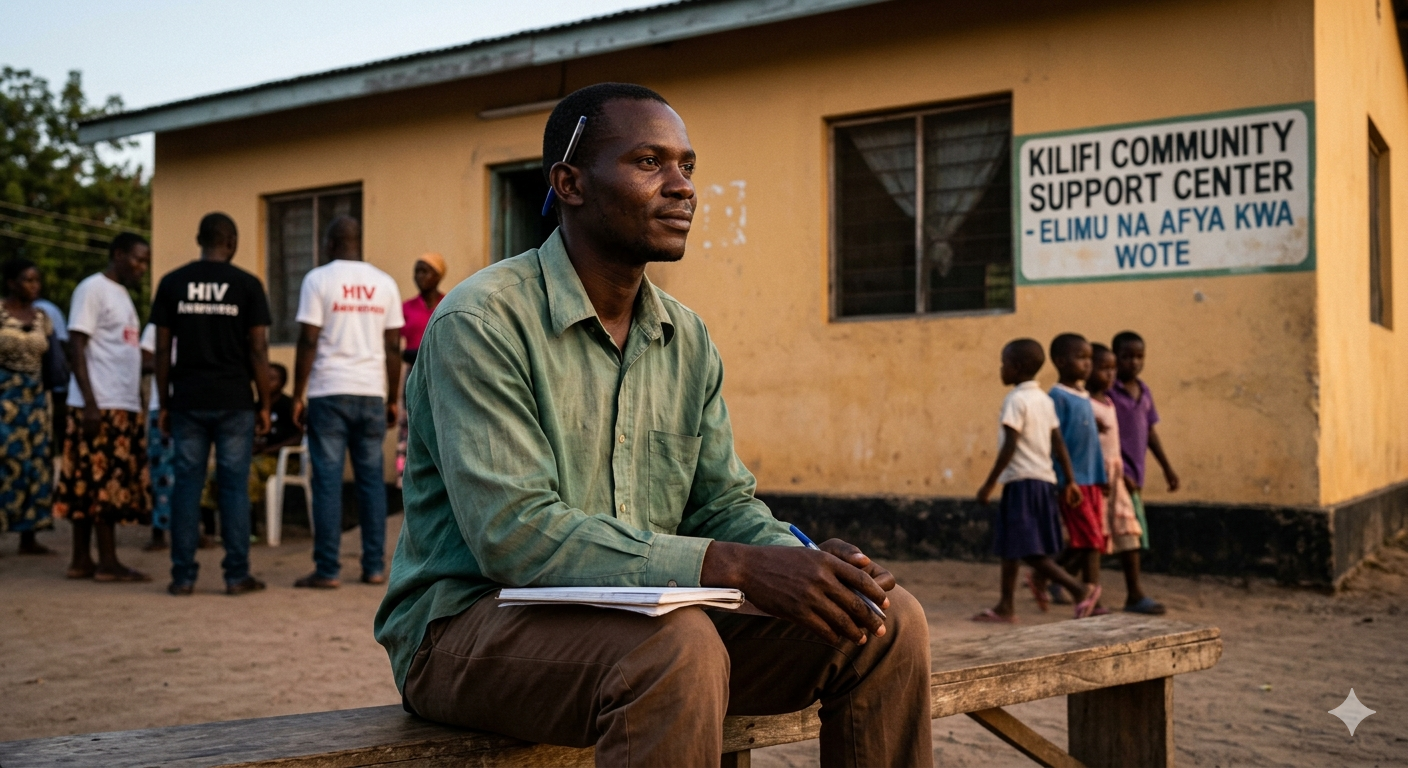
Now 26, Jeremy says he has chosen to forgive and is using his experience to encourage others living with HIV to accept their status and seek help.
Jeremy’s story reflects a wider crisis.
In Nairobi, there was another case involving two young children abused by a parent over time. The abuse only came to light after both children fell ill and medical examinations revealed signs of harm.
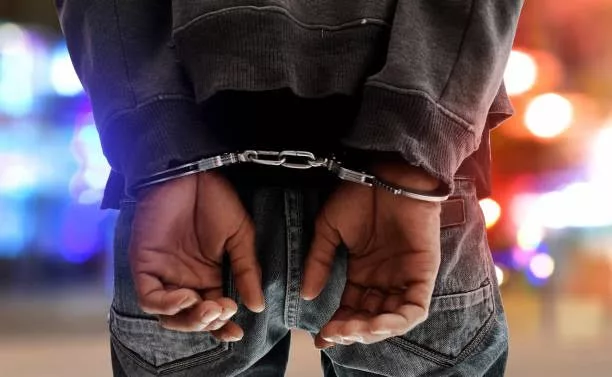
The father was later arrested.
In another case in Kilifi, a seven-year-old boy was abused by peers and was later withdrawn from school due to trauma. His caregiver faced resistance from the community while seeking justice.
Experts warn that such experiences leave deep psychological scars.
Child psychologist Florence Ochanda says survivors often suffer from withdrawal, low self-esteem, and long-term emotional distress.
“Failure to act can normalise abuse and worsen its impact,” she warns, urging early therapy and open conversations.
Children’s lawyer Naomi Kajaira says many cases go unreported, especially when perpetrators are close relatives.
“If we want sexual violence to end, we must talk about it,” she says.
She advises caregivers to seek immediate medical attention, preserve evidence, and report cases promptly.
According to UNICEF, millions of children worldwide experience abuse each year.
Globally, data from World Health Organisation shows that one in two children face some form of violence annually, with hundreds of millions affected by sexual abuse.
Jeremy believes things could have been different if he had someone to confide in.
His story and many others highlight the urgent need for vigilance, open dialogue, and stronger protection systems for children.
Because behind the statistics are real lives and children who need protection, justice, and a chance to heal.