Kenya’s captive power installations have more than doubled over the past three years, growing from 250 megawatts to more than 630 megawatts, now accounting for 16 per cent of the country’s total installed generation capacity.
Captive power refers to electricity generated by businesses, industries, or large institutions for their own use, rather than relying entirely on the national grid.
Speaking on April 1st, Electricity Sector Association of Kenya (ESAK) Chairperson Eddy Njoroge said the growth marks a significant shift in the country’s energy landscape, with projections indicating the sector is on track to surpass one gigawatt by 2030.
"Three years ago, captive power was the sector people talked about quietly. Today, it is 630 MW of installed reality, and we have barely scratched the surface," said Njoroge.
"This conference exists to ensure that the next 370 MW – and the gigawatts that follow – are built smarter, faster, and more equitably across Africa."
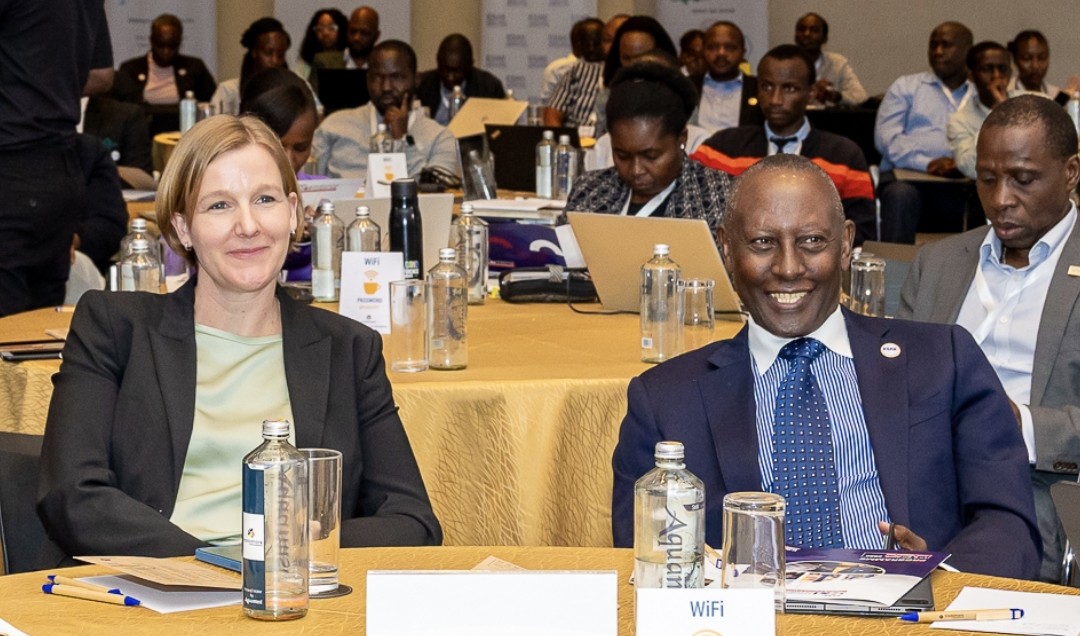
The remarks were made as the Electricity Sector Association of Kenya (ESAK) opened its Third Commercial and Industrial (C&I) Conference and Exhibition in Nairobi.
The two-day event, at the Trademark Hotel, has brought together government leaders, regulators, financiers, technology providers and industry players from across Kenya, East Africa and the wider continent.
The conference is themed Powering Industries in Africa through C&I and seeks to advance the role of captive power in driving industrial transformation.
The 2026 programme addresses the full captive power value chain through a series of plenary and breakout sessions.
Key discussions are focused on Africa’s industrial future and the role of C&I in powering clusters, special economic zones, manufacturing hubs and data centres.
Participants are also examining enabling policy environments required to support the growth of captive power, with perspectives drawn from Kenya, Uganda and across the region.
Financing structures for captive power projects are also under review, with contributions from various institutions.
Other sessions are focusing on fleet electrification and battery innovation as a new frontier for C&I demand in Africa. Legal, tax and compliance considerations for captive power project developers are also being discussed.
Regulatory issues, including net metering implementation and open access, are also featured prominently, with stakeholders seeking to define the next phase of sector growth.
Green hydrogen production is another key area of focus, with discussions exploring how captive power can support Africa’s industrial energy transition.
ESAK Chief Executive Officer George Aluru said the conversations taking place in Nairobi reflect broader discussions across the continent.
"We are no longer just a domestic story. The questions being asked in Nairobi – about wheeling, open access, green hydrogen, and regional energy trade – are the same questions being asked in Lusaka, Lagos, and Cape Town. ESAK is proud to be the platform where Africa finds answers," said Aluru.
ESAK is an association of private investors in electricity in Kenya, with membership comprising independent power producers, C&I companies and support service providers such as law firms, project developers and consultants.