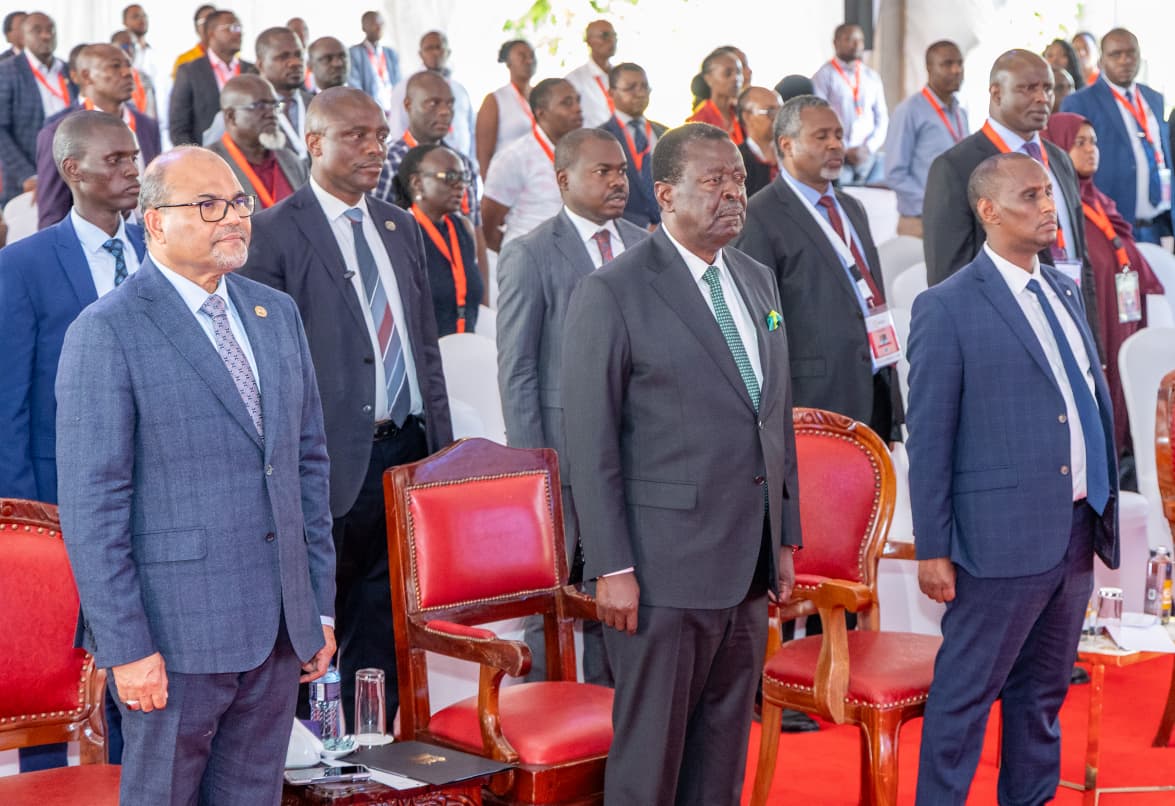
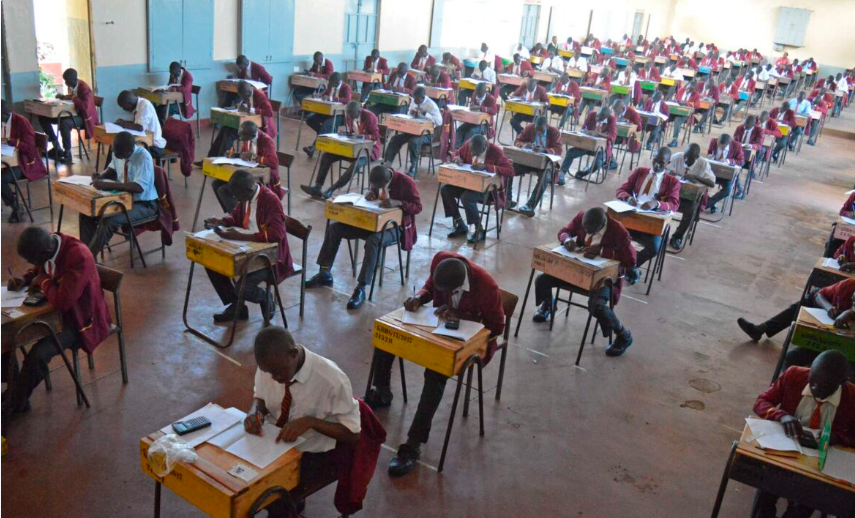
 KNEC anticipates an increase in enrolment for this year’s KCSE. /FILE
The registration of candidates for the 2026 Kenya Certificate of Secondary Education examination closed on Tuesday, March 31, paving the way for the Kenya National Examinations Council to begin preparations for examination materials and logistical planning ahead of the November tests.
KNEC anticipates an increase in enrolment for this year’s KCSE examination as the country edges closer to the full phase-out of the 8-4-4 system in 2027.
The council projects that the surge in KCSE candidature will push the combined number of learners sitting national assessments—KCSE, Kenya Primary School Education Assessment (KPSEA) and Kenya Junior School Education Assessment (KJSEA)—to a record 3.7 million in 2026, up from 3,429,683 candidates last year.
Registration timelines varied across the three assessments. KPSEA registration ran from February 16 to March 16, KJSEA from March 2 to March 31, while KCSE registration was conducted between February 16 and March 31, 2026.
Schools were required to accurately capture candidates’ details, upload the data to the KNEC portal and complete the process within the stipulated timelines.
“Our officers, including those from the Kenya National Examinations Council, have been instructed to ensure that the registration process is conducted efficiently and correctly, to avert the risk of any learner being left out,” Education Cabinet Secretary Julius Ogamba said during the launch of the registration exercise on February 13.
However, concerns persist, based on previous trends, that some school heads may have failed to register candidates or may have submitted incorrect details on the KNEC portal.
Ogamba noted that among the errors flagged in last year’s examination cycle was the assignment of the wrong gender to some candidates.
He warned that such mistakes not only disenfranchise learners but also expose the government to significant legal risks.
“In fact, for the 2026 cycle, we will identify heads of institutions that will have registration-related errors for appropriate disciplinary action by the Teachers Service Commission,” Ogamba said.
KNEC chief executive officer David Njegere said that although more than 99 per cent of centre managers successfully registered their candidates for the 2025 examination, some learners were left out entirely.
He revealed that the council received 5,743 late registration requests from both public and private schools after the closure of the 2025 KCSE registration portal.
“In some of the cases, the heads of institutions did not declare their unregistered candidates until pressure mounted from parents and the media,” Njegere said.
KNEC underscored the importance of timely and accurate data capture, noting that registration forms the foundation of planning for national assessments and examinations, both for the council and the Ministry of Education.
Errors such as assigning the wrong gender to a candidate carry far-reaching consequences.
Under the Competency-Based Education (CBE) system, such inaccuracies could lead to the placement of a learner in a school of the opposite gender in Grade 10.
Within the outgoing 8-4-4 system, such errors can also prove costly due to the limited window available for corrections.
The 2026 cohort will be the second-last group to sit the KCSE examination before the system is fully phased out in 2027.
While KNEC provides a mechanism for replacing lost KCSE certificates, correcting errors such as an incorrect gender marker involves a lengthy and costly process.
Applicants must obtain a police abstract, secure confirmation of birth details from the Registrar of Persons and pay an application fee exceeding Sh5,000.
Last year, KNEC introduced a mid-year KCSE examination series in July 2025 to allow repeat candidates and those who missed the previous year’s exams to retake all or selected subjects without waiting for the November examination cycle.
The initiative was part of a broader plan to ensure that candidates under the 8-4-4 system who missed previous examinations due to illness or personal reasons could obtain certification ahead of the system’s phase-out.
Registration for the mid-year series was restricted to candidates who had already sat the examination and were not currently enrolled in school, as the goal was to provide an opportunity for re-sitting.
However, the initiative was later suspended following a High Court ruling, and the examinations were not administered after the Ministry of Education complied with court orders and reverted to the traditional November schedule.