Kenya is stepping up efforts to position itself as Africa’s leading hub for artificial intelligence, with government and private sector leaders calling for urgent investment in infrastructure, talent, and policy reforms to unlock the country’s potential.
This emerged during a roundtable held in Nairobi on the sidelines of KIICO 2026 in Nairobi.
The meeting, themed AI & Emerging Technologies: Investing Across the Full Stack, was convened by the Office of the Special Envoy on Technology, the Kenya Investment Authority, and the American Chamber of Commerce Kenya, bringing together about 50 senior stakeholders from government, industry, and investment circles.
Deliberations focused on what it will take to position Kenya as a full-stack AI destination, covering areas such as energy and compute infrastructure, data systems, research and model development, applications, and governance.
Participants stressed that the next three years will be critical in determining how AI investments are distributed across the region, warning that Kenya must move quickly to secure its place in the fast-evolving global technology landscape.
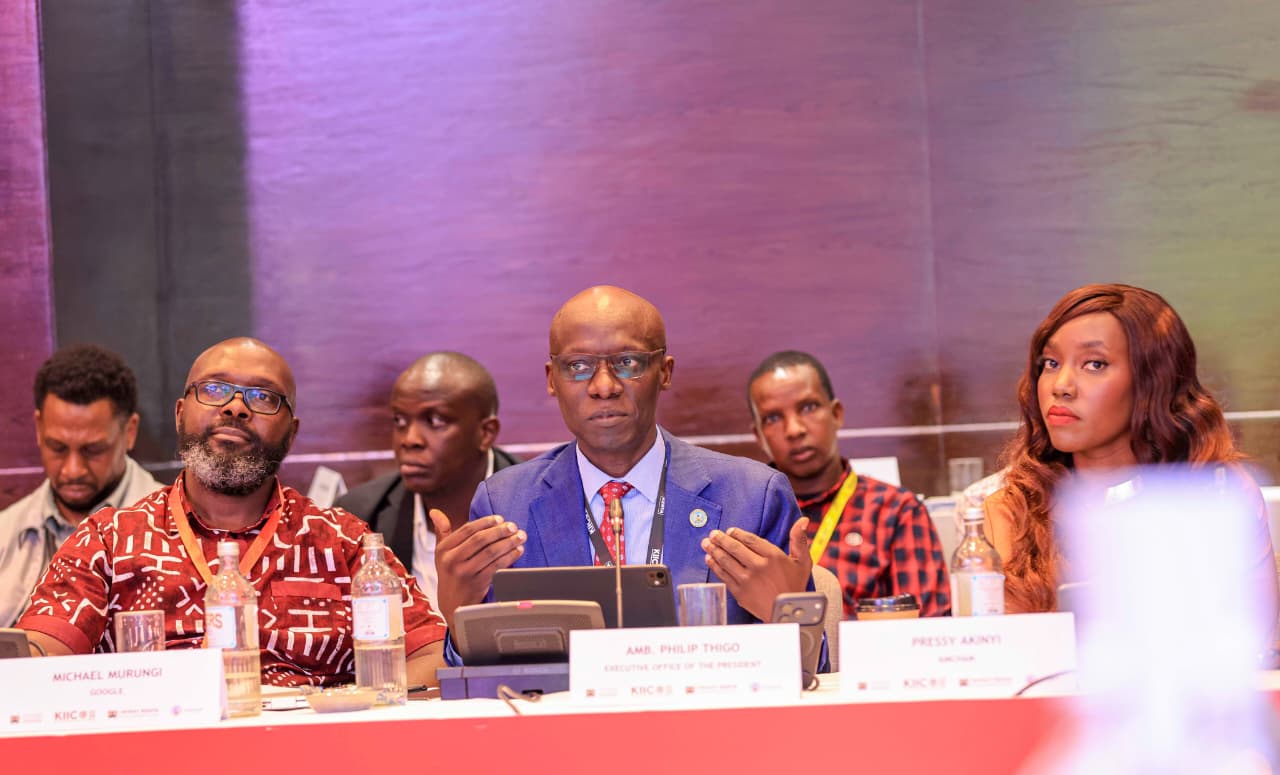
“The platform 𝗋𝖾𝗂𝗇𝖿𝗈𝗋𝖼𝖾𝖽𝗍𝗁𝖾𝗂𝗆𝗉𝗈𝗋𝗍𝖺𝗇𝖼𝖾𝗈𝖿 pro-innovation policies that crow in investment, enable experimentation, and build trust 𝗐𝗁𝗂𝗅𝖾𝗉𝗈𝗌𝗂𝗍𝗂𝗈𝗇𝗂𝗇𝗀𝖪𝖾𝗇𝗒𝖺𝗇𝗈𝗍𝗈𝗇𝗅𝗒𝗍𝗈𝖽𝖾𝗏𝖾𝗅𝗈𝗉𝗅𝗈𝖼𝖺𝗅𝗍𝖺𝗅𝖾𝗇𝗍, 𝖻𝗎𝗍𝖺𝗅𝗌𝗈𝗍𝗈𝖺𝗍𝗍𝗋𝖺𝖼𝗍𝗀𝗅𝗈𝖻𝖺𝗅𝗍𝖺𝗅𝖾𝗇𝗍, 𝖽𝗂𝖺𝗌𝗉𝗈𝗋𝖺𝖾𝗑𝗉𝖾𝗋𝗍𝗂𝗌𝖾, 𝖿𝗈𝗎𝗇𝖽𝖾𝗋𝗌, 𝖺𝗇𝖽𝗋𝖾𝗌𝖾𝖺𝗋𝖼𝗁𝖾𝗋𝗌𝗂𝗇𝗍𝗈𝗈𝗇𝖾𝖽𝗒𝗇𝖺𝗆𝗂𝖼𝗂𝗇𝗇𝗈𝗏𝖺𝗍𝗂𝗈𝗇𝖾𝖼𝗈𝗌𝗒𝗌𝗍𝖾𝗆,” President William Ruto’s Special Envoy on Technology Ambassador Philip Thigo said.
A key competitive advantage identified was Kenya’s largely renewable energy mix, which offers a strong value proposition for energy-intensive AI infrastructure such as data centres and compute facilities, at a time when global markets are grappling with power shortages.
To accelerate innovation, stakeholders proposed the introduction of a 90-day regulatory sandbox that would allow companies to test AI solutions under controlled conditions while enabling regulators to adapt policies in real time.
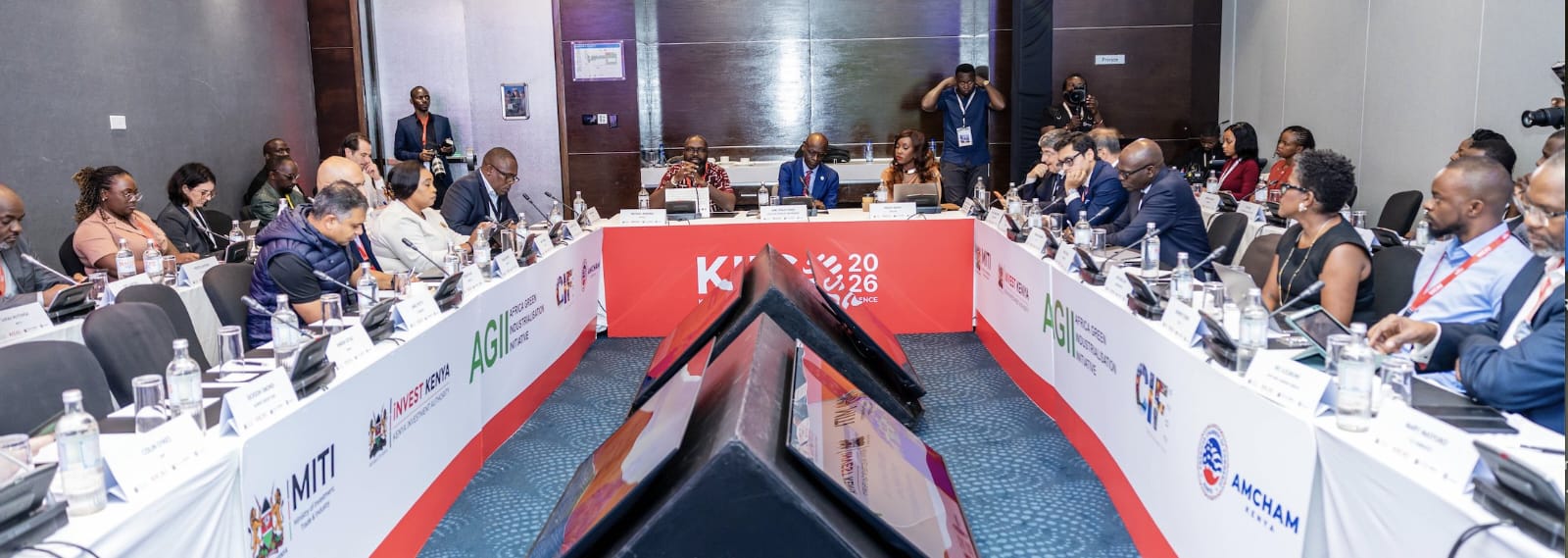 Participants during the High-level roundtable on AI & Emerging Technologies (CC: KIICO26) / HANDOUT
 The approach favours flexible, innovation-friendly regulation over rigid frameworks that could slow down growth in the emerging sector.
The stakeholders also pointed to a shift in Africa’s technology ambitions, with participants advocating for the development of resilient and sustainable innovation ecosystems dubbed “camels”—instead of pursuing high-risk, high-valuation “unicorn” startups.
On investment, early signals indicate growing interest in Kenya’s AI ecosystem. Delegates cited ongoing hyperscaler interest and projected investments of between $250 million and $300 million in the near term across data centres, research, and AI-driven applications. However, they cautioned that such capital will depend on regulatory clarity, policy support, and the right incentives.
Beyond infrastructure, participants emphasised the need for significant investment in human capital. They warned that overreliance on foreign expertise could limit long-term growth and called for deliberate efforts to build a strong pipeline of local AI talent through education reforms, skills development, and public sector training.
There were also proposals to tap into the Kenyan diaspora for technical expertise and to attract global talent through flexible residency programmes.
Ensuring broader access to AI technologies emerged as another priority, with stakeholders cautioning against the risk of the technology being concentrated among a few large firms. Proposals included partnerships to lower the cost of access for startups, youth, and small businesses.
The commercialisation of research also featured prominently, with calls for reforms that would enable the government to procure locally developed AI solutions, helping bridge the gap between innovation and real-world application.
Although the discussions were held under the Chatham House Rule, the meeting produced tangible outputs, including an investment signals register, a set of regulatory recommendations, and a KIICO 2026 statement on AI investment.
Additional proposals included mapping Kenya’s long-term computing needs, developing a national framework on the future of jobs, and creating an investor guide to position the country competitively in what stakeholders described as the “Age of Intelligence.”
The roundtable ultimately signalled strong investor appetite for Kenya’s AI sector, but with a clear condition: the country must move swiftly to align policy, infrastructure, and talent development to fully capitalise on the opportunity.