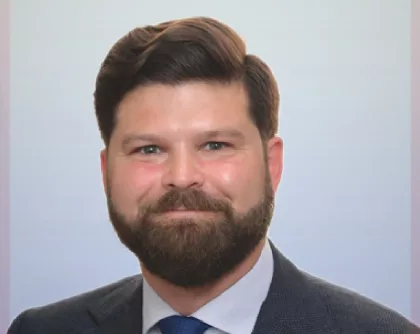
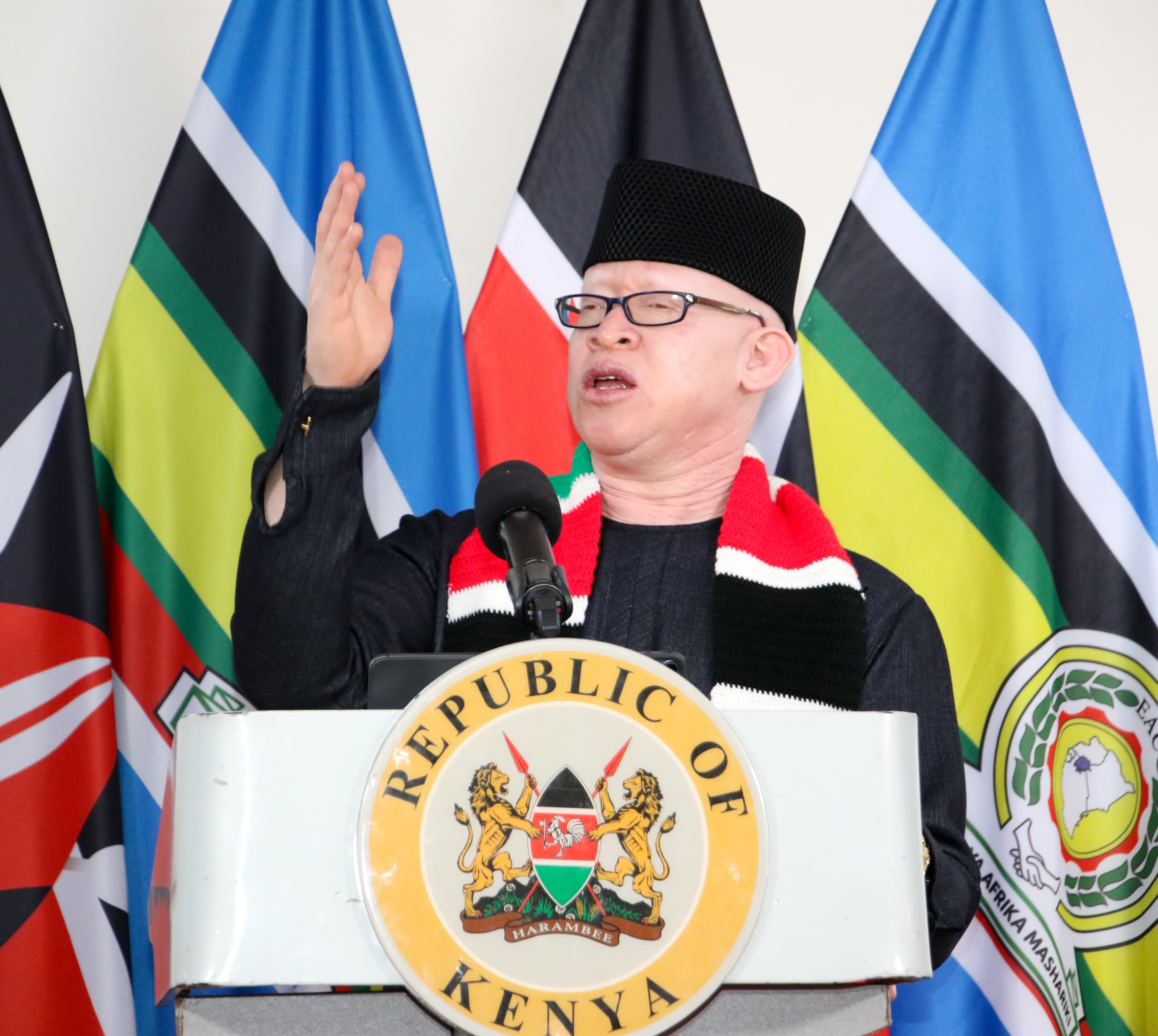
 Government Spokesperson Isaac Mwaura/FILE
The government has called for a shift in how disability is portrayed in Kenyan media, urging stakeholders to embrace inclusive storytelling that reflects dignity and lived experiences.
Government Spokesperson Hon. Isaac Mwaura made the call during a roundtable and project launch on disability representation in Kenyan media, where he stressed empowerment and visibility, stating, “We may not look the part, but we are it; we can do it.” His remarks set the tone for discussions that brought together media practitioners, scholars and disability advocates.
The event, held yesterday, marked the launch of an Arts and Humanities Research Council (AHRC)-funded project titled “Reducing Disability Stigma through Media Representations in Kenya.” The initiative seeks to examine how media storytelling can help challenge stigma and promote inclusive social attitudes.
The project is led by Dr Catalin Brylla of Bournemouth University, alongside Kenyan-based researchers Dr John Ndavula (Murang’a University of Technology), Dr Jackline Lidubwi (Africa Nazarene University), and Kevin Nayema, a research associate.
It also brings together key project partners, including the Kenya Broadcasting Corporation (KBC), Signs TV, the Kenya Union of Journalists (KUJ), and the Action Network for the Disabled (ANDY), reflecting collaboration among academia, media institutions and disability-focused organisations.
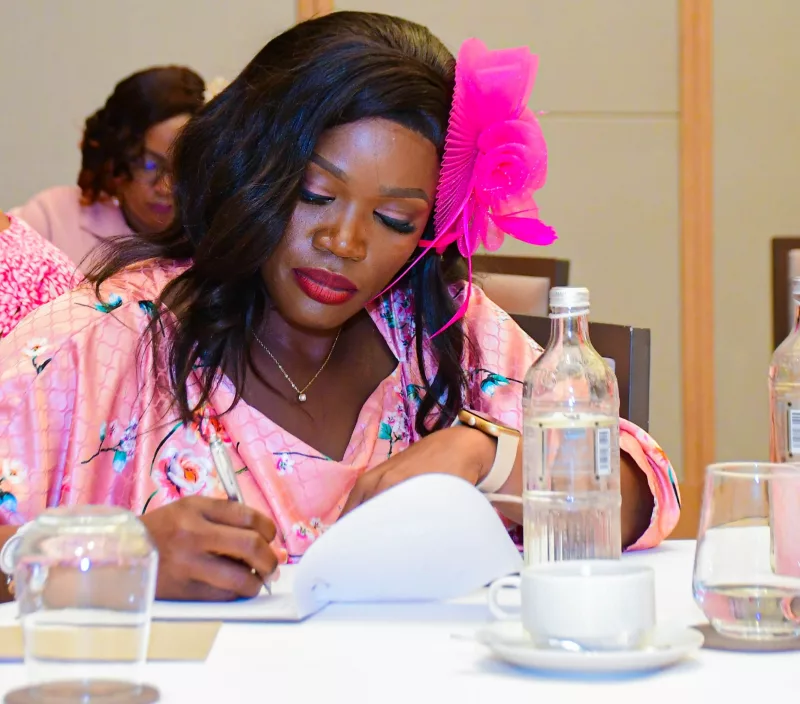
The launch attracted stakeholders from the media industry, academia and the disability rights community, underlining growing recognition of the need for more inclusive media narratives.
Members of the project’s advisory board were also present, including Prof. Beth Haller, a noted scholar in disability media studies, and Alice Mundia, Chairperson of the Differently Talented Society of Kenya, both offering critical expertise to guide the project.
According to the project framework, the initiative will analyse media content, engage industry practitioners and persons with disabilities, and develop a practical toolkit to support inclusive storytelling.
During the roundtable, Dr Mbugua wa Mungai, a senior lecturer and former Director of Disability Services at Kenyatta University, underscored the need to humanise disability stories, noting that “everyone with a disability has a story” that deserves to be told with dignity, beyond stereotypes.
Dr Winnie Ndeta, Chair of Communication Studies at St. Paul’s University, emphasised the role of collaboration in shaping public perception, noting that “strategic partnerships” and authentic primary sources are essential for making disability storytelling both impactful and accurate.
From a production perspective, Skeeter Imisa, a television producer at Kenya Broadcasting Corporation, said inclusion must be deliberate from the earliest stages of content development, noting that gaps at the development stage are difficult to correct later.
Adding a continental perspective, Yinka Olaito, Executive Director of the Center for Disability and Inclusion Africa, urged persons with disabilities to strengthen their storytelling skills so their lived experiences can resonate with global audiences.
The project will be implemented in phases, including media content analysis, industry and community engagement, and the development and testing of a toolkit to reduce stigma. It will conclude with a disability representation festival aimed at translating research into practical media outputs.
Participants agreed that inclusive media is essential, noting that genuine and collaborative storytelling is key to advancing dignity, visibility and social change.