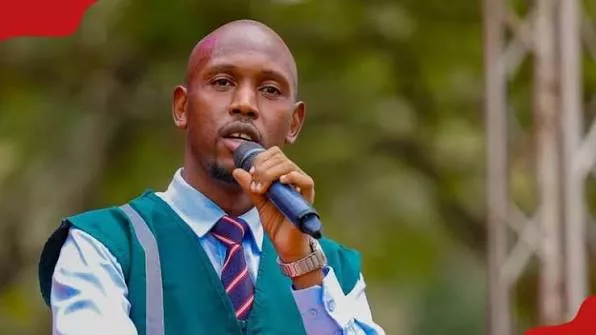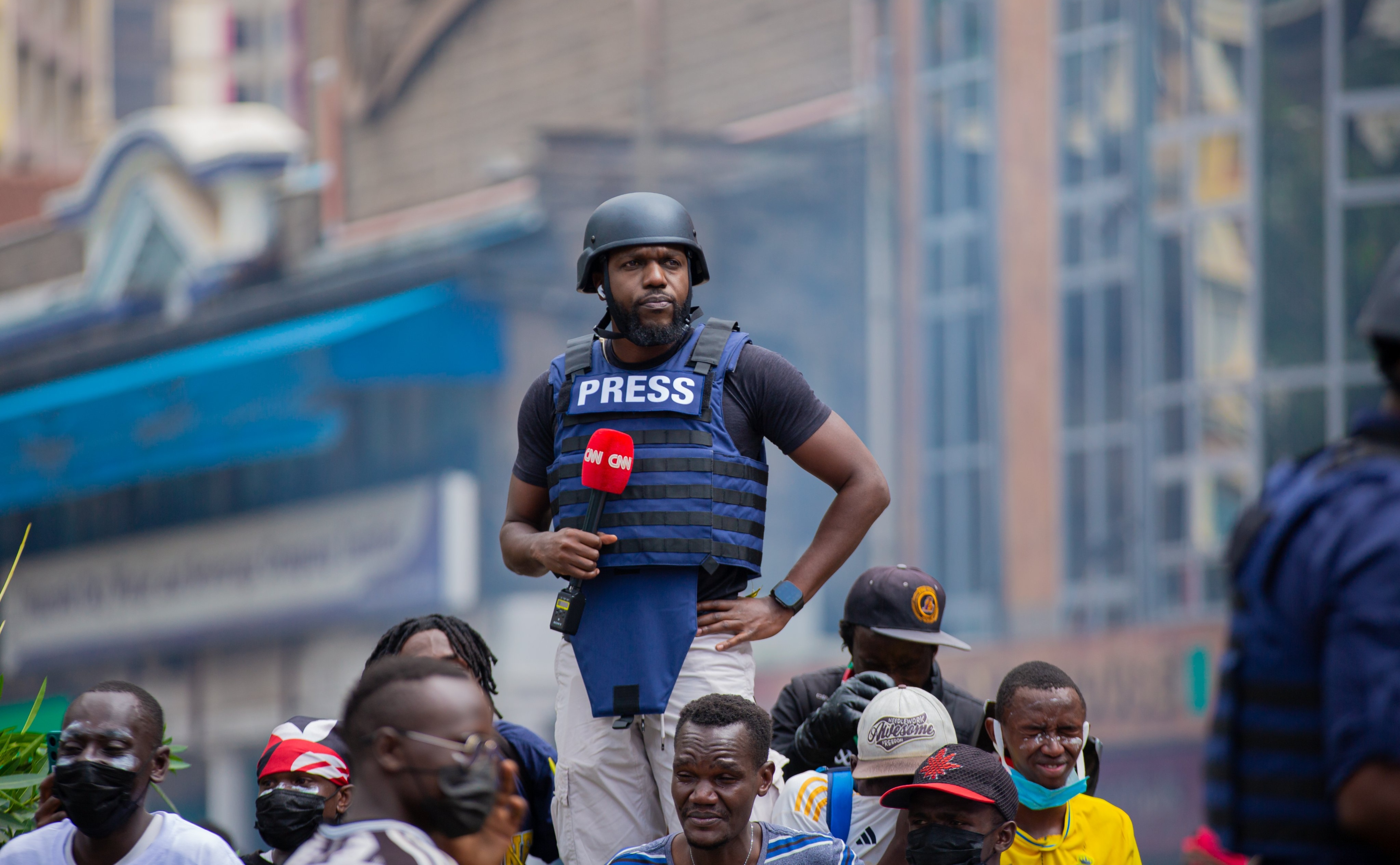
CNN International Correspondent Larry Madowo has been named the Human Rights Defender of the Year by the Defenders Coalition over his coverage of 2024 Gen Z protests.
“Congratulations to @LarryMadowo for being awarded Human Rights Defender of the Year in Kenya for his courageous reporting in Kenya and beyond,” the Australian High Commission in Nairobi said.
Madowo is a celebrated Kenyan journalist, and international correspondent who holds a Masters in Business and Economics Journalism from Columbia University.
Known for his fearless reporting and sharp storytelling across various global media platforms, he is recognised as one of Africa’s most influential journalists.
Currently with CNN, he has previously worked with BBC, CNBC Africa, NTV Kenya and KTN, covering impactful stories on cross-cutting human rights issues like media freedom, social justice and good governance.
His work has recently included, publicly criticising the Tanzanian government’s refusal to grant accreditation for independent reporting, bringing out the growing concern of press freedom and transparency.
Additionally, as he covered the anti-government protests in Kenya, Madowo, reported being targeted by hired goons who were allegedly paid to attack him and destroy his equipment, highlighting the challenges journalists face in the course of their work.
The Defenders Coalition, in bestowing this award, says it acknowledged the diversity, depth, and intersectionality of his human rights work.
The jury emphasised that the fight for human rights extends beyond the courtroom or the advocacy office it resides in the newsroom and on the street, where the act of bearing witness is itself a defensive measure against authoritarianism.
The award was accepted on his behalf by renowned cartoonist Geoffrey Mwapembwa, known as Gado, a testament to the symbiotic relationship between different forms of critical media in East Africa.
Madowo's work frequently intersected with the very issues he documented: the shrinking space for dissent and the weaponisation of the digital environment.
In an era where reporters are increasingly targeted—not just physically, but through online smear campaigns and digital surveillance, his presence at the heart of the protests provided a layer of visibility that offered a modicum of protection to the movement.
Observers argue that his reporting helped ensure the events in Nairobi and other major towns remained on the radar of international human rights organisations and diplomatic missions.
The outspoken journalist has often been taunted by by pro-government bloggers and even political leaders over his coverage of protests in Kenya and the region.
Uganda’s Chef of Defence Forces (CDF) and son of President Yoweri Museveni, Gen Muhoozi Kainerugaba recently declared Larry a ‘Msaliti’ (traitor) before announcing that he had blocked him on X.
Madowo, reacted publicly, writing that he “consider[s] it a compliment that this nepo baby calls me a traitor; “The role of journalism is to speak truth to power, not to praise fragile bullies...”
The exchange followed days of tension surrounding Uganda’s January 15, 2026, presidential election, which President Museveni won amid allegations of irregularities and violence, a claim Museveni has denied.
Madowo shared one of Muhoozi’s posts and asked publicly, “Muhoozi, why are you bragging about killing Ugandans who support the opposition? Is it because you’re protected by your father, President Museveni?”