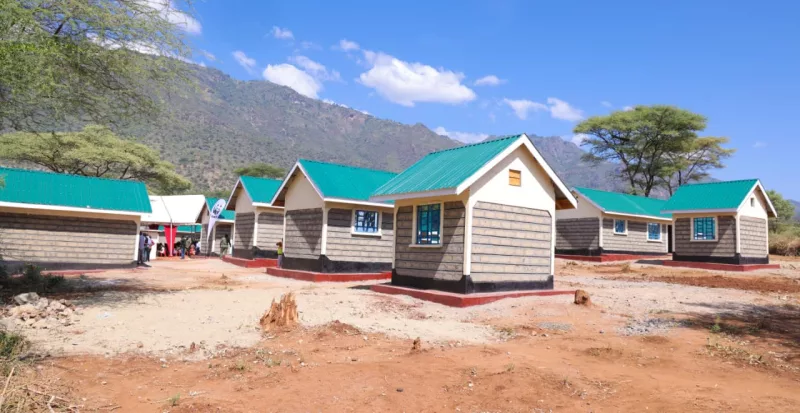
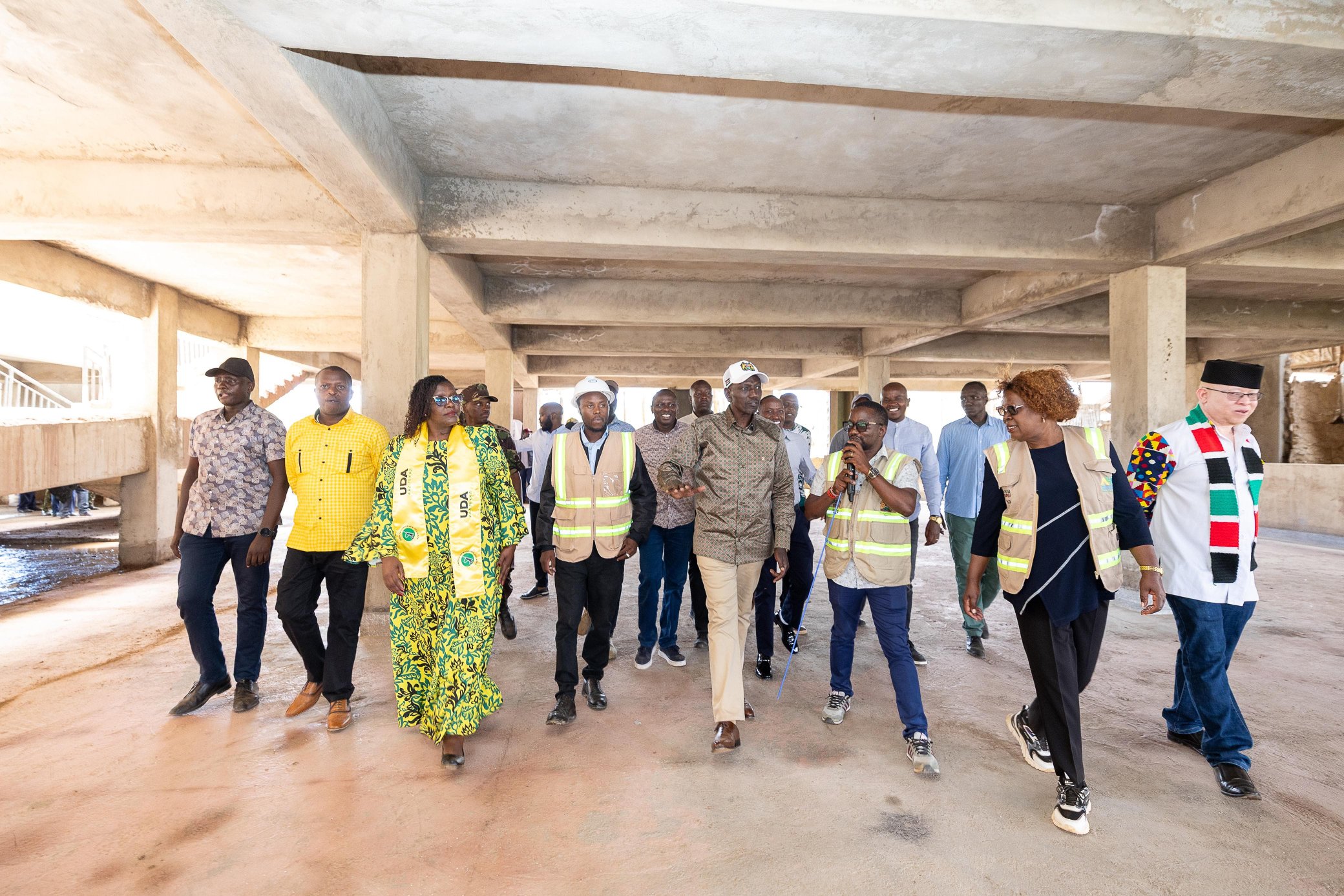
The President crisscrossed counties long considered ODM bastions, rolling out multibillion-shilling projects.
From the Naivasha-Kisumu-Malaba Standard Gauge Railway to roads, markets, hospitals and blue economy investments on Lake Victoria, the scale and location of the initiatives signal a deliberate attempt to reconfigure political loyalties.
The targeted regions, among them Kisumu, Siaya, Homa Bay, Migori, Vihiga and Kakamega, have historically been opposition bastions.
The planned extension of the SGR from Naivasha to Kisumu and onward to Malaba is framed as a game-changing regional corridor that will ease the movement of goods and people.
The project, which has stalled for six years, is also expected to position Kenya as a logistics hub in East and Central Africa.
Complementing this are massive road projects, including hundreds of kilometres under construction or in the pipeline in Homa Bay and Kisumu counties.
The President is also spreading investments across housing, fisheries, energy, healthcare and trade sectors, creating a broad-based development footprint that touches everyday livelihoods.
In Siaya alone, Ruto has committed Sh28 billion to affordable housing, markets and student hostels. This, he said, is the highest commitment ever made by any administration.
In Homa Bay, road investments are set at Sh1.7 billion, while a further Sh9.5 billion has been earmarked for blue economy projects on Lake Victoria, including fish landing sites and piers such as the Sh1 billion Usenge Pier in Bondo.
Ruto has repeatedly framed the investments as efforts to correct historical neglect and deliver “equitable development” to regions that have long felt marginalised.
“In August 2024, we broke ground on the Rusinga Island Ring Road,” the President said while commissioning the project.
“Some questioned our resolve, unaware of our firm commitment to delivering equitable development across the country.”
Political analysts say such framing is aimed at undoing the marginalisation accusation of certain regions that successive governments have faced.
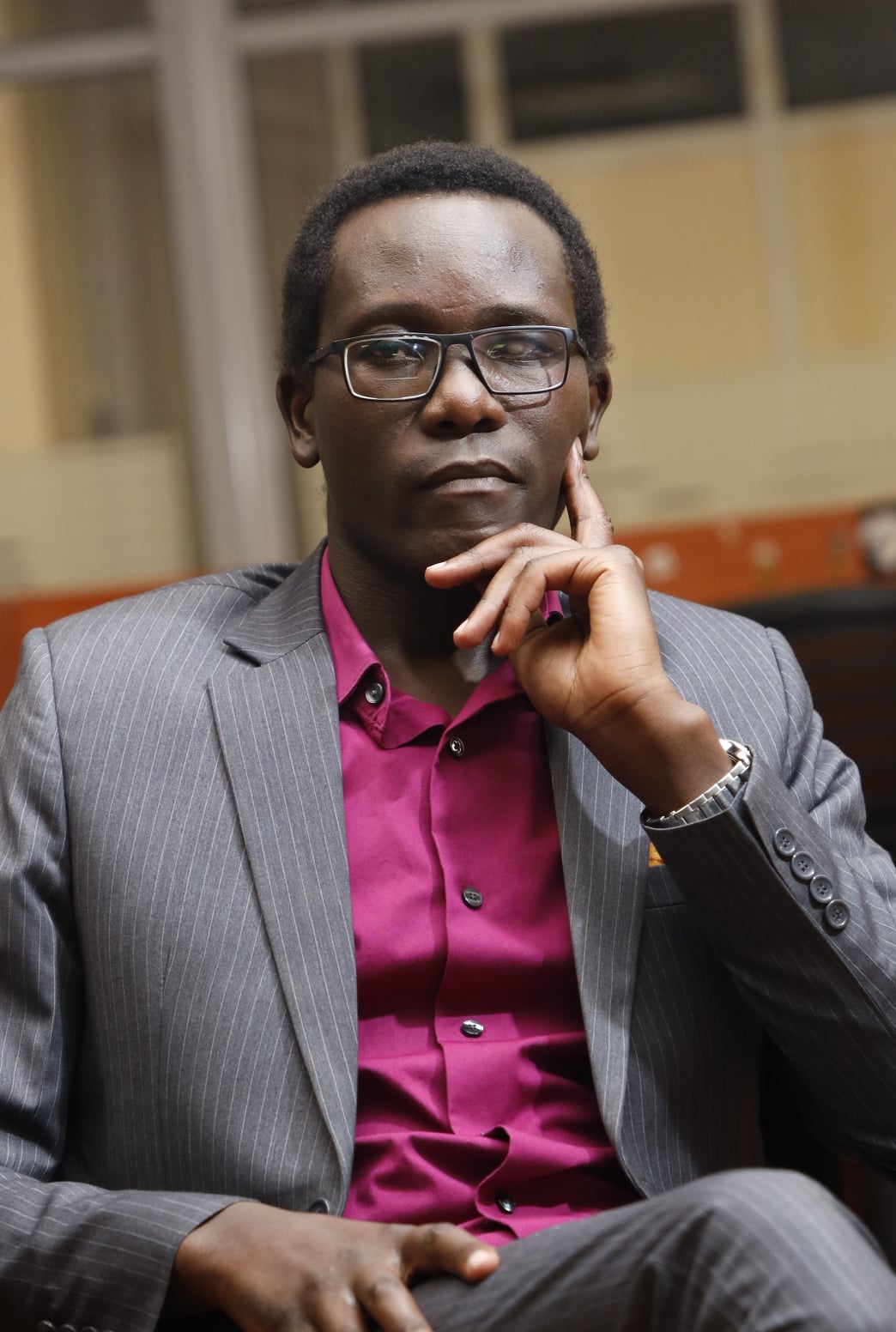
“The strategy is to make development visible and personal,” political analyst Dr Charles Ng’ang’a opines.
“When voters begin to associate roads, housing and jobs with the current administration, political loyalty can shift from ideology to tangible benefits.”
Homa Bay Governor and ODM chairperson Gladys Wanga says they have suffered systemic marginalisation simply because of political positions.
“Everybody is entitled to services from the government, whether they voted for it or not. But what is the reality?” she said on Thursday on Spice FM.
“But the broad-based government, which we ODM are part of, now considers every part of the country.”
On Wednesday, Wanga told Citizen TV the broad-based government had brought “some level of equity”.
“Waswahili say, ‘Mgala muuwe lakini haki yake mpe (Even if you kill a Galla (an adversary), give him his due credit)’, and that is the President and the broad-based government,” she said.
“You could kill him for whatever you want, maybe his ears, but in terms of making each part of this country feel as part of Kenya, he deserves that credit.”
However, political analyst Martin Andati argues that infrastructure projects don’t win elections.
“People don’t vote for projects but based on emotional issues. Take, for example, Raphael Tuju, who had an impressive development record in Rarieda,” he said.
He said it is counterproductive to tax people more only to then sell the development record.
“Even the attempt to drag the opposition into the development debate is faulty because can you build roads when in the opposition?” Andati asked.
Ruto’s approach also reflects a shift toward what observers describe as ‘ground-up coalition building’, whereby, rather than relying solely on elite political alliances, he is targeting voters directly through projects.
At the same time, the President has been engaging regional leaders and professionals, including meetings in Kisumu, signalling a parallel effort to soften political resistance from local elites.
His recent conciliatory tone towards Siaya Governor James Orengo further underscores attempts to ease tensions even as competition intensifies.
However, critics argue that the aggressive rollout of projects blurs the line between governance and early campaigning.
During these meetings, there is clear political messaging, gestures and branding, well ahead of the official campaign period.
In June last year, the High Court declared early campaigns unconstitutional.
Justices Hedwig Ong'udi, Patricia Gichohi and Heston Nyaga ruled that premature campaigns violate the right to equality, violate the rule of law and interfere with economic and social rights.
The law has also banned the use of public resources in campaigns in a bid to stop incumbents from gaining unfair advantage. Section 14 of the Election Offences Act (2016) particularly prohibits the use of public resources for campaigning, including vehicles, facilities and personnel.
Article 92 also requires Parliament to restrict the use of public resources to promote political parties.
The United Opposition has raised concerns about the use of state resources, arguing “development tours” are being used to gain electoral mileage.
DCP leader Rigathi Gachagua says Ruto’s visits to Nyanza replicate his 2022 early campaigns script in the Mt Kenya region.
“He has made many promises and has only one budget to go: 2026-27,” Gachagua said on Wednesday.
“ODM must thus have some irreducible minimum. All those projects he has announced, they must demand that money reflects in this last budget. If not, then that is just a campaign gimmick.”
However, the Kenya Kwanza administration maintains the projects are part of a broader national development agenda aimed at inclusive growth and economic transformation.