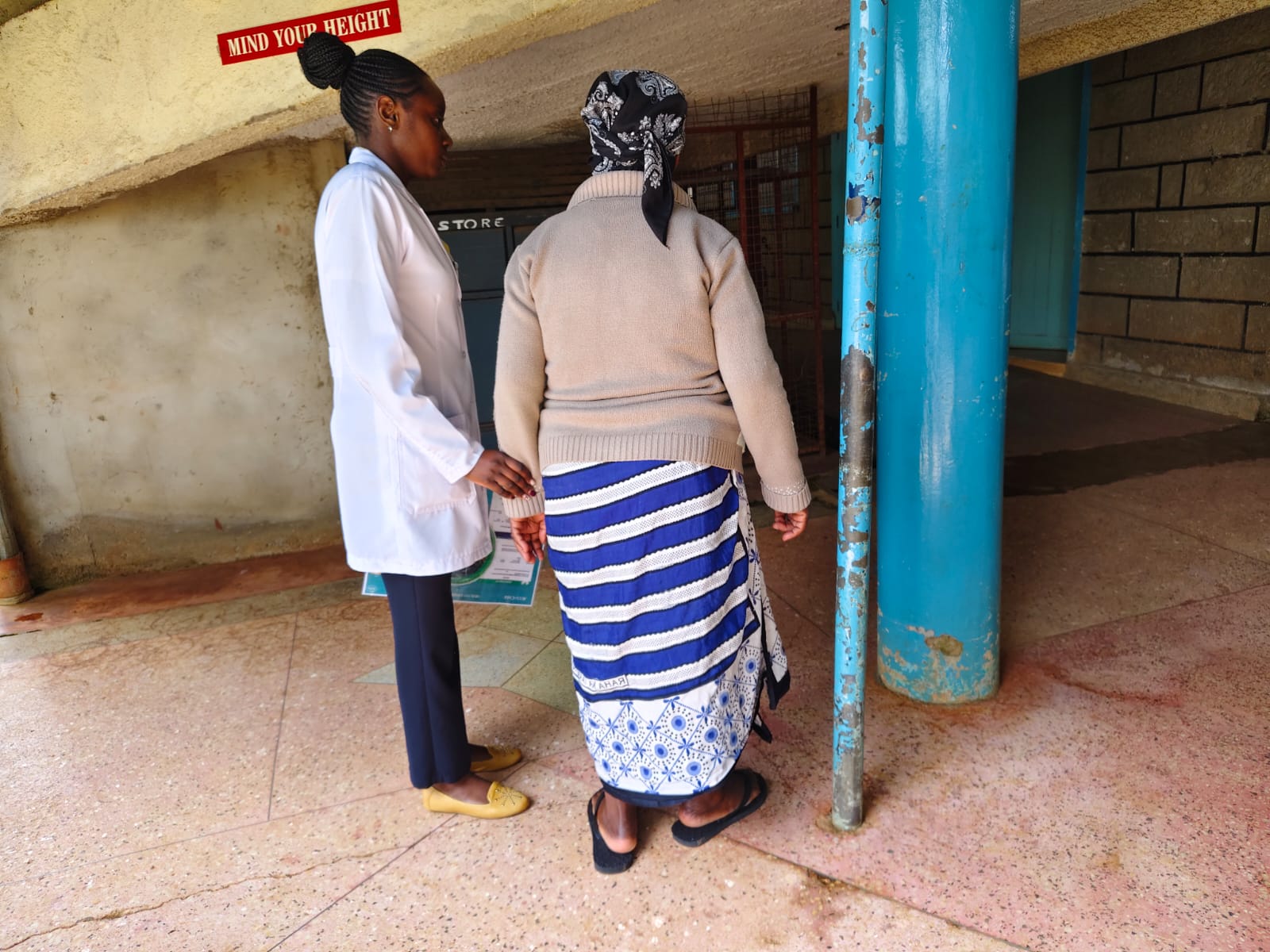
 Nutritionist Nary Kinyua with a middle-aged patient suffering from diabetes and hypertension at Kiria-ini Mission Hospital/ ALICE WAITHERA
*Mary* (not her real name), a middle-aged woman from Kiharu constituency in Murang'a county, started feeling unwell five years ago.
She had a throbbing headache that would not go away, no matter how many painkillers she took.
A check-up at Murang’a Level 5 Hospital confirmed she suffered from hypertension and was immediately put on medication.
Two years later, Mary woke up one day to dizziness and a heavy head that ended up being diagnosed as diabetes.
“I have tried to manage the two conditions ever since. Doctors told me to watch my diet and that the conditions eventually can be controlled,” she narrated.
Currently, Mary is a patient at Kiria-ini Mission Hospital in Mathioya, Murang’a county, where she was admitted on Thursday last week.
This is after suffering a convulsion, which threw her off the bed while sleeping, hurting her forehead that still has a bump.
Mary was rushed to the facility where her blood pressure was found to be above normal and has been undergoing medication since.
Non-communicable diseases (NCDs) account for 61.7 per cent of the country’s disease burden currently, a sharp rise from 52.4 per cent in 2023.
According to Mary Kinyua, a nutritionist at Kiria-ini Mission hospital in Mathioya, poor lifestyle habits have raised the prevalence of NCDs, causing many to live in morbidity.
She said many Kenyans have been feeding on foods with a high glycemic index, and which cause the blood sugar to spike, putting them at risk of developing diabetes.
“We advise people to ensure they exercise and feed on food that has a high portion of vegetables that provide the body with fibre, which slows digestion and absorption of sugar into the blood, and reduced starch and proteins,” Kinyua said.
“This is because even proteins, especially plant proteins, also have high starch levels that can impact the blood sugar.”
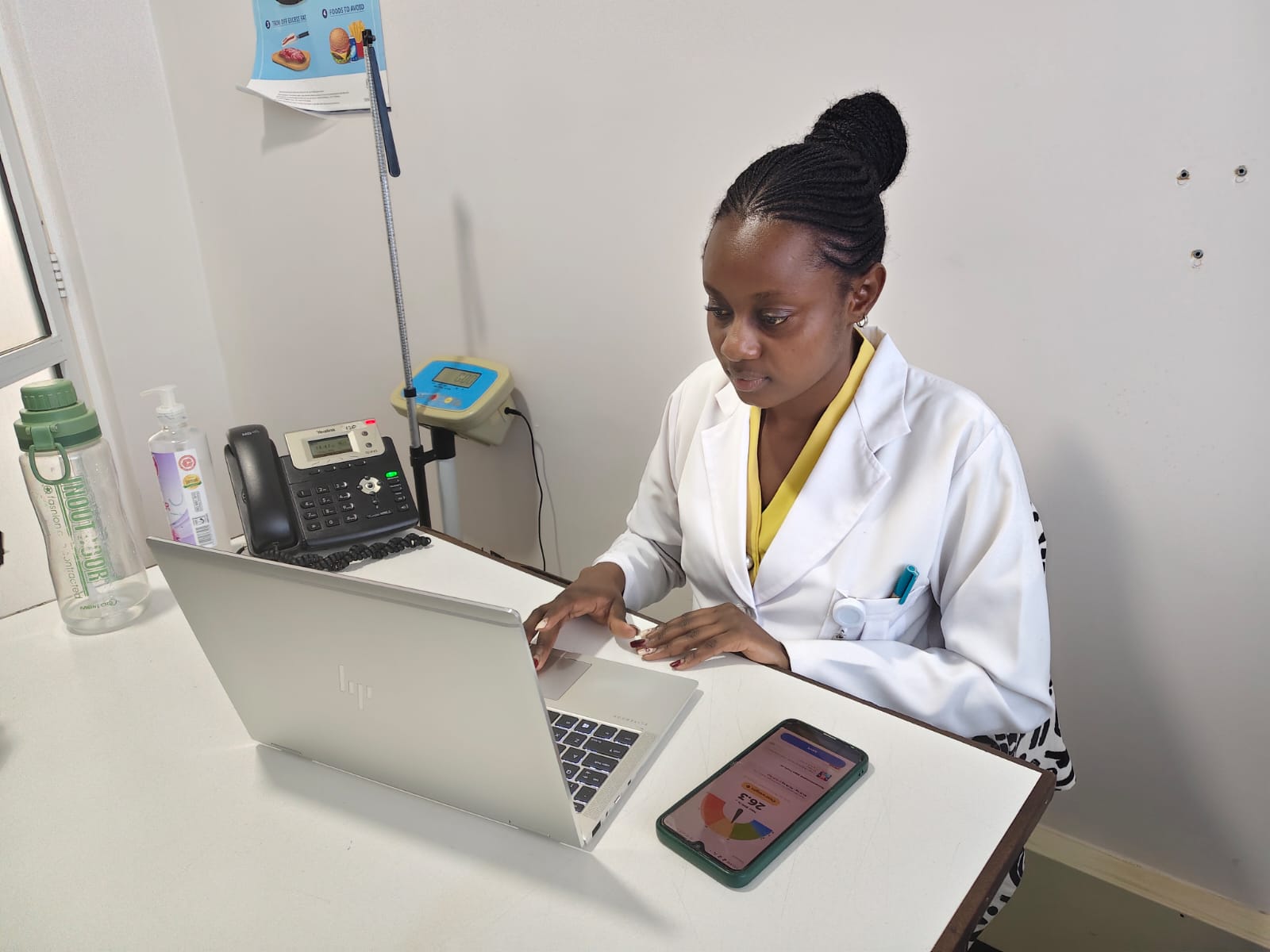 Mary Kinyua, a nutritionist at Kiria-ini Mission Hospital in Mathioya, Murang'a/ ALICE WAITHERA
Patients suffering from diabetes are advised to keep off sweet fruits such as ripe bananas, watermelon, oranges, pineapples, pawpaw, mangoes and red apples.
They are instead advised to consume fruits with many seeds and which can be eaten with their skins such as thorn melon, green apples and pepino.
Kinyua underscored the need to drink about two litres of water in a day to help the body eliminate excess sugar through urine.
“It’s also important to ensure you do exercises that exceed your normal activities. If you work on a farm, you can jog or walk after work. Your body is already used to what you do daily,” she said.
Kinyua discouraged Kenyans against refined foods such as maize flour and recommended unrefined flour and brown rice that have fibre.
While indigenous foods such as cassava, yams, arrowroots and sweet potatoes all contain sugar, she said consuming small quantities with servings of vegetables can be beneficial to the body.
“To prevent diseases like diabetes and hypertension, you need to monitor your body weight. Pay attention to your diet,” Kinyua said.
"Every meal should include vegetables. For example, when eating ugali, do not eat it with beef alone. Include plenty of vegetables and only a small portion of meat.”
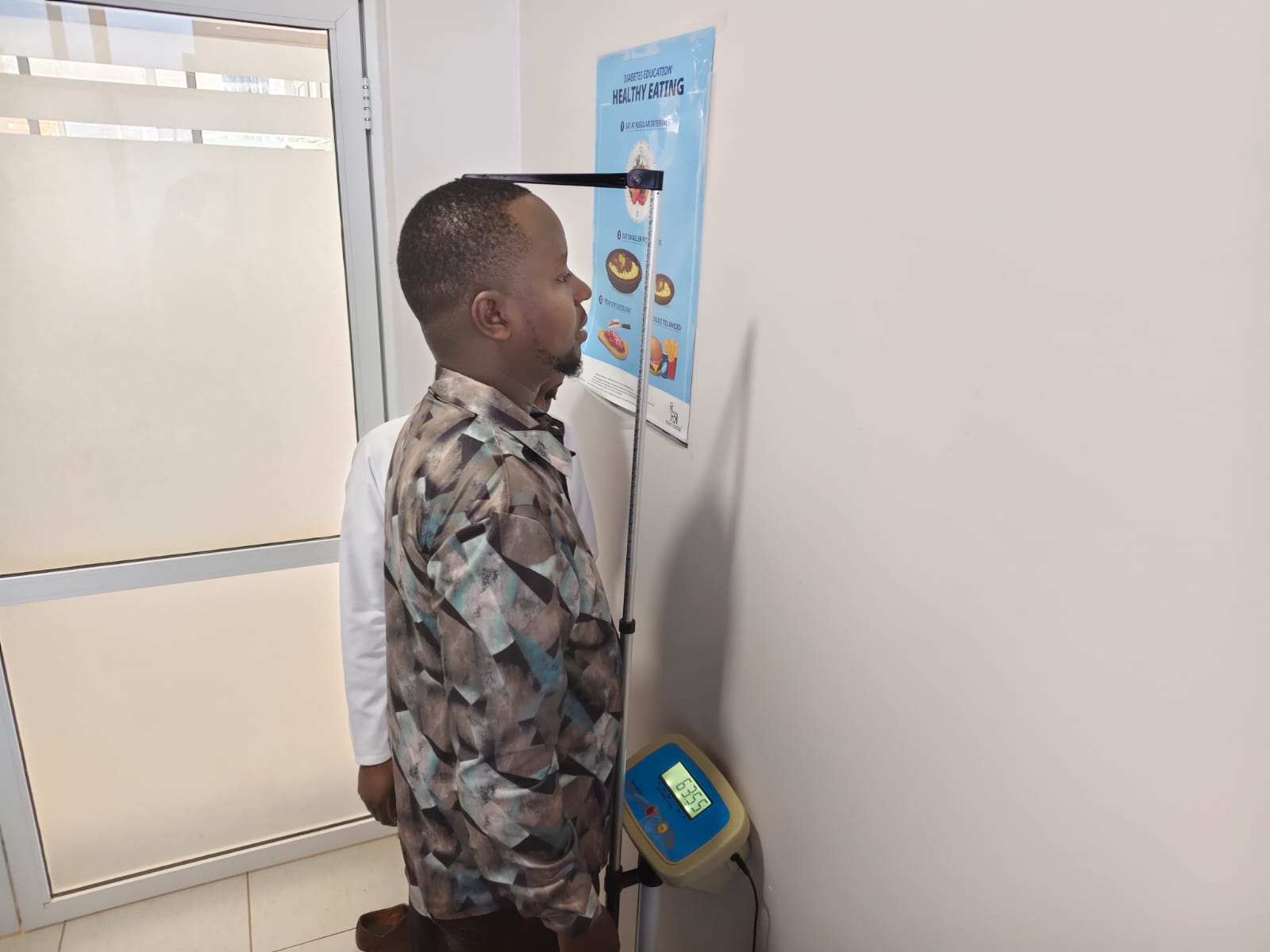 Victor Kinuthia, a Murang'a resident, getting his body mass index (BMI) checked at Kiria-ini Mission Hospital in Mathioya, Murang'a/ ALICE WAITHERA
Ken Luttah, the medical officer in charge at Kiria-ini Mission Hospital said diabetes and hypertension have become common in the area.
“Hypertension is a condition where blood pressure readings are above 140 over 90. It is a disease that often has no symptoms,” he said.
This, he said, has earned the condition the title ‘silent killer’ as many continue with their normal daily activities without knowing they have it until complications occur.
Uncontrolled hypertension can lead to serious complications such as stroke and heart attack.
“This is why you hear of so many incidences of people collapsing and dying, others losing consciousness while driving or sleeping,” Luttah said.
He explained that hypertension can be genetic or triggered by poor lifestyle habits such as consuming too much salt, lack of physical activity, high cholesterol levels and failure to undergo regular check-ups.
For diabetes, Luttah said poor feeding habits where people consume high-sugar and processed foods that are quickly digested have contributed greatly.
Common symptoms include excessive thirst, frequent urination and constant hunger even after eating.
He said type 1 diabetes usually occurs at a younger age and is caused by the body’s inability to produce insulin.
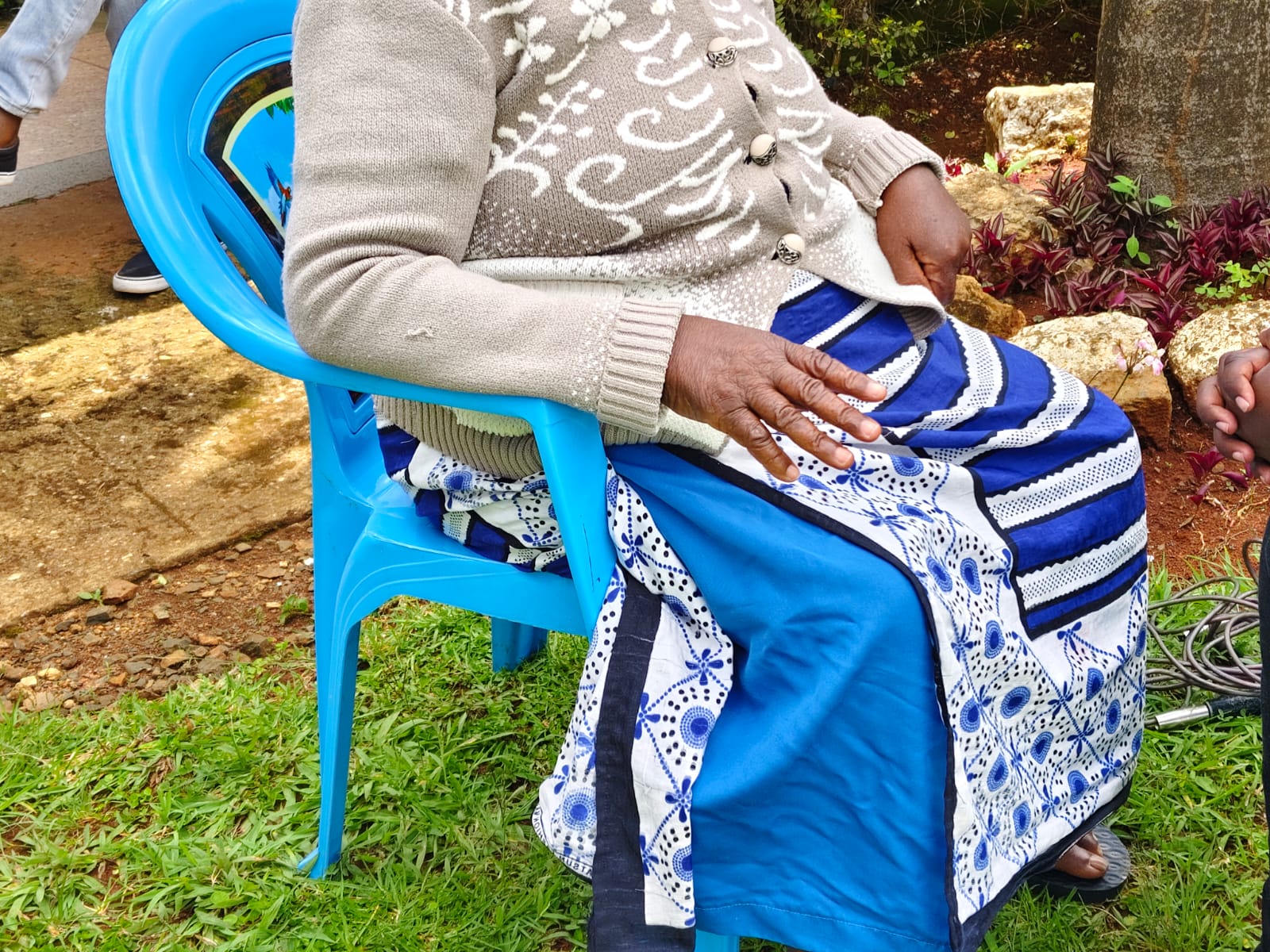 A woman who has been admitted at Kiria-ini Mission Hospital in Mathioya suffering from diabetes and hypertension /ALICE WAITHERA
Type 2 diabetes on the other hand is more common and is often linked to genetics and lifestyle factors, usually developing as people get older.
The two conditions often occur at the same time and can cause severe complications including stroke and heart attacks caused by blocked blood vessels, kidney failure and visual impairment.
“The good news is that both conditions can be detected early through regular screening and managed effectively,” Luttah said.
He said the hospital, in partnership with partners, realised the high unawareness of the conditions, has been conducting free medical camps and using them to sensitise residents and provide free treatment and screening.
“At Kiria-ini Mission Hospital, we’re inviting the public to attend a medical camp on Saturday where they will access free consultation, testing, treatment and medication for NCDs”.
“In addition, we will assess heart health using tests such as ECG and ECHO to detect any early problems and plan appropriate treatment”.
Residents suffering with arthritis and chronic respiratory conditions were also encouraged to turn up and get treatment.