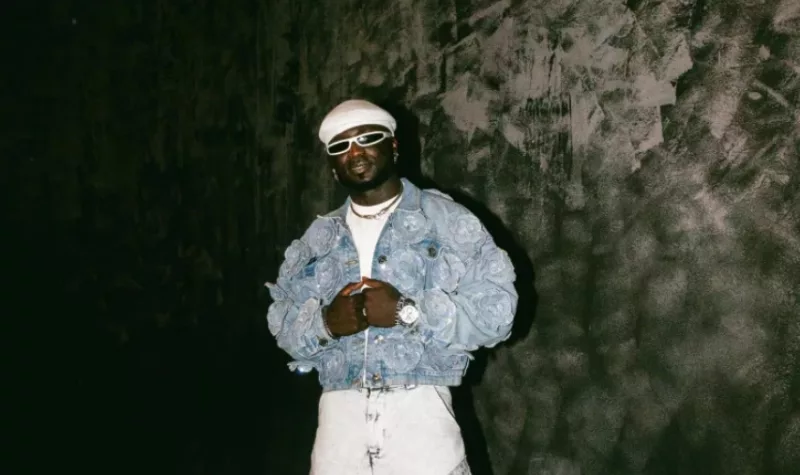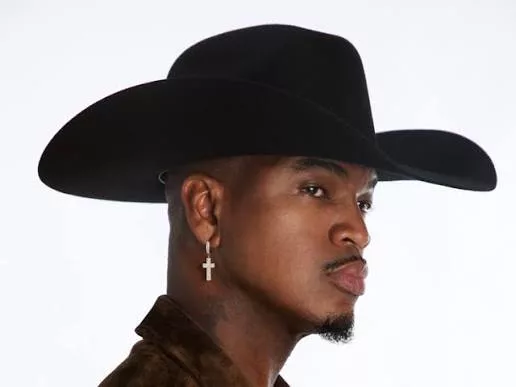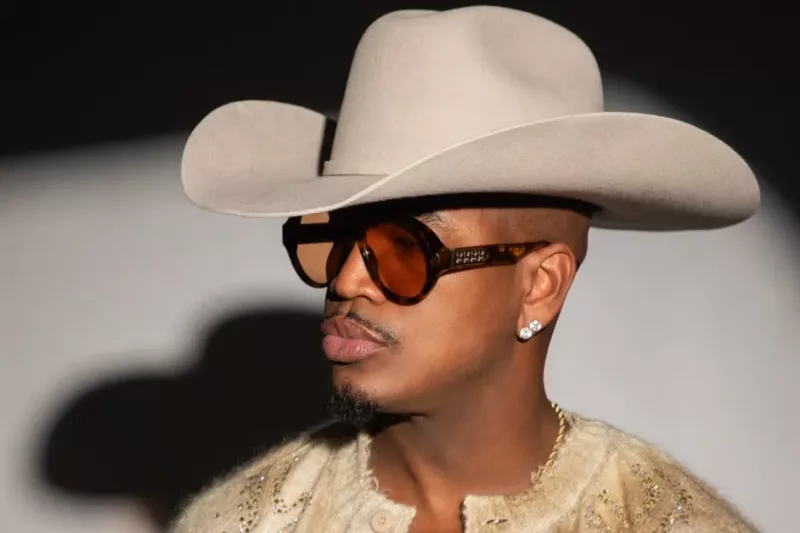
From gospel darling to digital showman, in Bahati’s world, nothing is ever just lived, it is performed.
Musician. Husband. Former gospel golden boy. Reality show in human form. A man who has lived so publicly, so dramatically, that at this point, even his silence would trend.
Take a deep breath. This is not a story but a production.
Bahati, born Kevin Kioko, did not stumble into fame. He rose through testimony. Humble beginnings. A redemption arc polished to perfection. Gospel music that carried not just melody but narrative.
He wasn’t just singing, he was witnessing, testifying. And Kenya loves a good transformation story, especially one wrapped in faith, struggle and eventual success.
For a moment, Bahati was not just an artiste. He was symbolic. Proof that pain could produce purpose. That broken beginnings could lead to bright spotlights.
Then came the pivot. Because if there’s one thing Bahati understands, it’s timing. And attention.
MARUA AND MUSIC SWITCH
Enter Diana Marua. Not quietly. Not cautiously. But boldly, dramatically, unapologetically.
Where Bahati, also known by the nickname ‘Mtoto wa Mama’, once carried the calm of gospel, Diana arrived with the energy of a headline waiting to happen. Together, they did not just build a relationship, they built a brand.
And people tuned in immediately. Because this was not love in private. This was love with lighting, angles, captions, and occasionally, background music.
“We don’t hide our love,” Bahati once declared in an interview, smiling like a man fully aware the cameras were rolling. “We celebrate it.”
Celebrate is one word. Broadcast is another. In the Bahati universe, romance is not a quiet exchange, it is a content strategy.
Proposals are not whispered, they are staged. Anniversaries are not marked, they are announced. Apologies are not private, they come with thumbnails. A whole production.
When Bahati transitioned from gospel into a more mainstream, lifestyle-driven persona, the questions came quickly, and loudly.
Bahati answered not with long explanations but with consistency. He kept posting. Kept performing. Kept living, publicly. Boldly.
“I’m still me,” he once said. “I’ve just grown.”
Simple. Clean. Slightly controversial. Because in Kenya, growth is acceptable, as long as it looks the way we expect it to.
Bahati chose a different direction, and not everyone followed comfortably. But here is where things get interesting.
Strip away the theatrics, the staged surprises and the carefully timed announcements, what remains is a man who understands something deeply important about modern fame: Attention is not given. It is courted and maintained.
And Bahati courts and maintains attention relentlessly. He does not disappear between projects. He does not leave gaps for irrelevance to creep in. He fills the space with love, family, drama, music and just enough unpredictability to keep the audience hooked.
“I live my life openly,” he has said more than once. “What you see is what you get.”
And Kenya has seen everything.
The romance, the family moments, the reinventions, the questions and the comebacks.
All of it. What fascinates people is not just the visibility, it is the intensity of it.
Bahati does not do halfway. Love is loud. Joy is louder. And even criticism becomes part of the performance.
Because whether you agree with him or not, whether you admire the journey or question the choices, one thing remains true: You are watching. We all are.
POLITICAL TEARS
Because Bahati does not believe in small plot twists, he stepped into politics, with the Mathare MP seat in his sights, ambition fully switched on.
Campaign energy was high, visibility even higher. He aligned with ODM and courted its then leader, the late Prime Minister Raila Odinga, loudly, signalling this was no experiment.
But politics, unlike social media, does not reward presence alone. When party nominations were decided, Bahati was sidelined at the final stretch. And in a moment that played out across screens, he broke down, visibly emotional, crying openly, the kind of raw, unfiltered reaction that no PR team can script.
Now, with another election cycle slowly approaching, the question refuses to sit quietly: Does Bahati return to the ballot? Was Mathare a one-time attempt, or just the opening chapter of a longer political ambition?
If history is anything to go by, he won’t re-enter quietly. And if he does try again, one thing is certain: Kenyans won’t just watch; they will analyse, react and once again, pull up a front-row seat.
So who is Bahati, really, beyond the posts, beyond the brand, beyond the carefully curated life? He is a performer.
Not in the quiet, literary sense, but in the lived and constantly evolving narrative of a man who refuses to let his story be told without his input.
He is a former gospel artiste who redefined himself publicly. A husband who turned marriage into a shared platform. An entertainer who blurred the line between life and content so completely, it no longer exists.
And perhaps most importantly, he is a man who understands that, in Kenya today, visibility is power.
Bahati’s story is not about right or wrong. It is about evolution. About visibility. About the bold decision to live a life so public, it becomes impossible to separate reality from performance.
Bahati, in short, has mastered both the spotlight and the stage.