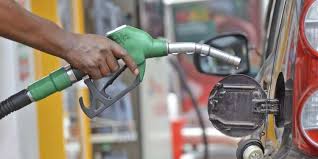
Vivo Energy Kenya has announced temporary fuel stock-outs at a number of its Shell service stations across the country.
The company attributed the fuel stock-out disruption to a surge in demand.
In a statement, Vivo Energy Kenya said it had recently recorded increased consumption of its fuel products, leading to intermittent shortages at select outlets within its network.
“Vivo Energy Kenya, the company that distributes and markets Shell products and services in the country, would like to update our customers and partners on the current fuel supply situation across our Shell service station network,” the statement read.
“We have recently experienced increased demand for our products, which has resulted in temporary stock-outs at some service stations.”
Vivo Energy Kenya noted that its teams are actively monitoring supply levels and working to restock affected stations as quickly as possible to stabilise availability.
“Our teams are closely monitoring the situation and working continuously to replenish affected sites as quickly as possible,” the statement added.
The company apologised to customers and partners for the inconvenience caused, while assuring continued commitment to reliable service delivery.
“We appreciate your continued patronage and apologise for the inconveniences caused by this, and remain fully committed to serving our customers reliably and ensuring that our service stations and the essential services that depend on us stay supplied,” it said.
The announcement comes amid heightened sensitivity in the fuel market, where supply disruptions can ripple through transport, logistics, and other essential sectors.
This is even as motorists across Nairobi are grappling with an acute fuel shortage, with many forced to crisscross the city in search of petrol and diesel amid growing fears of hoarding by suppliers anticipating a spike in global oil prices.
A spot check by the Star revealed long queues at the few stations still dispensing fuel, while many others remained conspicuously dry, triggering anxiety among commuters and raising the spectre of a looming transport crisis in Kenya’s capital.
The developments come barely a week after the Ministry of Energy sought to allay fears over supply disruptions, assuring Kenyans that the country held sufficient fuel stocks to last at least three months.
In a statement, the ministry said it had activated contingency measures under the government-to-government (G-to-G) fuel importation framework, engaging key partners in the Gulf region to secure steady shipments amid geopolitical tensions.
Under the G-to-G arrangement, Kenya sources petroleum products directly from oil-producing nations, largely in the Middle East, through long-term contracts aimed at stabilising supply and easing pressure on foreign exchange reserves.
The ministry noted that it was in constant communication with suppliers to cushion the country from supply shocks linked to the conflict.
However, the situation on the ground appears to contradict official assurances, with industry insiders suggesting that some marketers could be holding back stocks in anticipation of the next pricing cycle.
Internationally, oil markets have reacted sharply to the Middle East conflict, with benchmark crude prices climbing significantly over the past weeks as fears mount over potential disruptions in key supply routes.
A barrel of oil hit over $111 on Monday, with pundits fearing that it could close the week at $120 if the US makes good its threats to hit Iran's power plants in an effort to force the Islamic nation into submission.