President William Ruto has outlined a raft of interventions aimed at protecting Kenya’s economy from potential disruptions arising from the ongoing crisis in the Middle East, particularly in fuel and commodity supply chains.
The President said the government is actively pursuing both national and regional strategies to cushion the country.
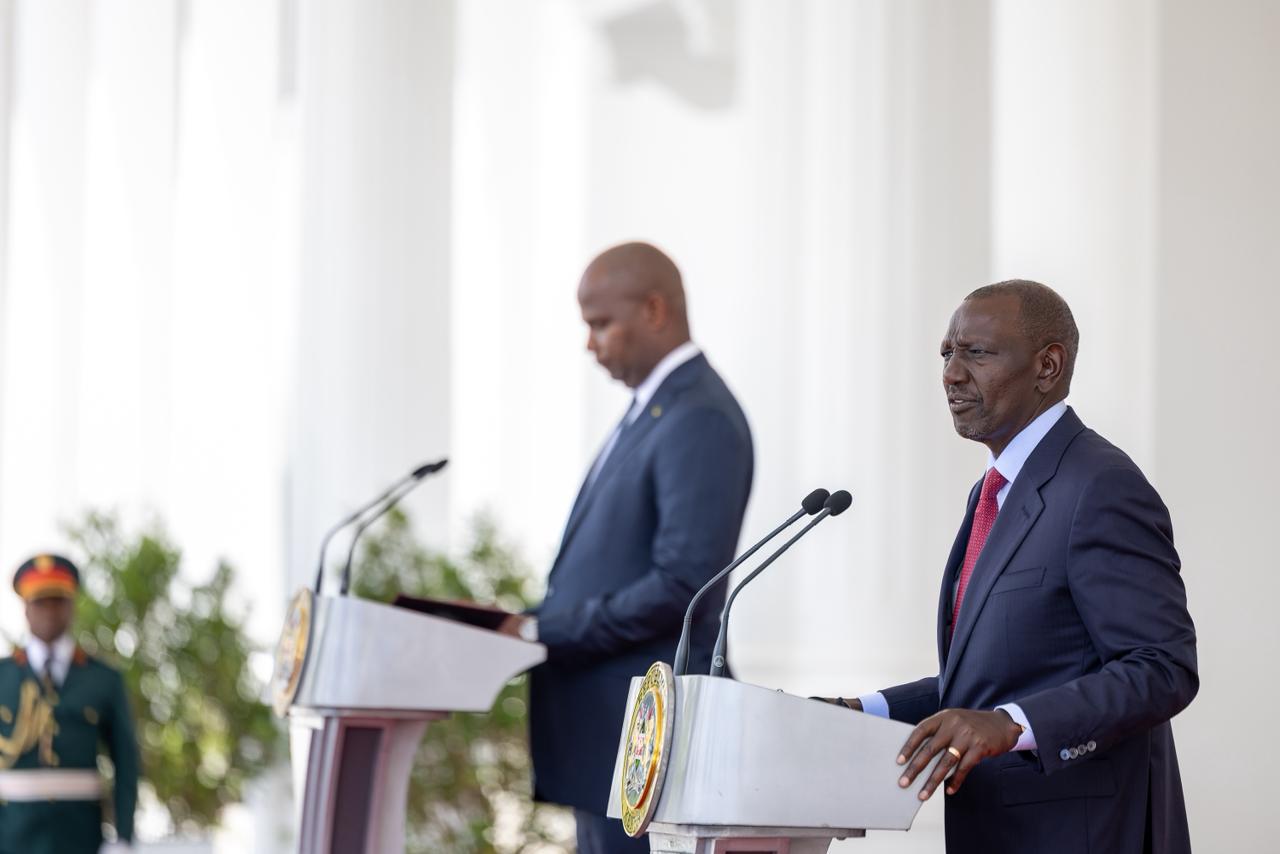
Speaking on Thursday, Ruto warned that the Middle East crisis poses significant risks to economies, especially due to logistical challenges affecting global shipping routes.
“We are already seized of that matter. There have been consultations not just within Kenya but also at the regional level. We have engaged regional partners on the interventions necessary to forestall any serious effects,” he said.
“The challenge posed by the Middle East crisis is likely to affect our economies, particularly in terms of fuel and commodity supply. This is due to logistical and transport challenges across the Strait of Hormuz, as well as changes in shipping routes, increased insurance costs, and other related factors.”
He said the government is implementing measures to mitigate the potential fallout, including securing alternative fuel supply sources and tightening oversight within the petroleum sector.
At the same time, the President issued a warning to oil marketers against creating artificial shortages for profit.
“As a government, we are working to mitigate and reduce the impact of these challenges. We have also made it clear to oil marketers and those with storage capacity that the Government of Kenya will not tolerate artificial shortages intended to benefit profiteers. We will work closely with all stakeholders to ensure compliance with licensing conditions,” he said.
Ruto added that the Ministry of Energy has been tasked with leading engagements with suppliers and producers to diversify sourcing and prevent supply disruptions.
“I have tasked the Ministry of Energy to take the lead in working with suppliers and oil producers to explore alternative sources where necessary, to prevent any shortages,” he said.
He noted that progress has already been made and reaffirmed the government’s commitment to continuous monitoring and regional collaboration.
“So far, we have made good progress and will continue to monitor the situation closely,” he said, expressing hope that diplomatic efforts will help de-escalate the conflict.
The President warned that prolonged instability in the Middle East could have far-reaching consequences.
“Its continuation would have negative consequences not only for our economy, but also for the regional and global economy,” he added.