Kenya is ramping up investment in the blue economy as part of a broader strategy to drive economic growth, create jobs and promote environmental sustainability, with a strong focus on aquaculture and marine resource management.
The government is currently establishing the National Mariculture Resource and Training Centre in Kwale County, which is set to become the largest facility of its kind in East Africa.
The centre is expected to play a key role in advancing sustainable aquaculture while opening up new economic opportunities for coastal communities.
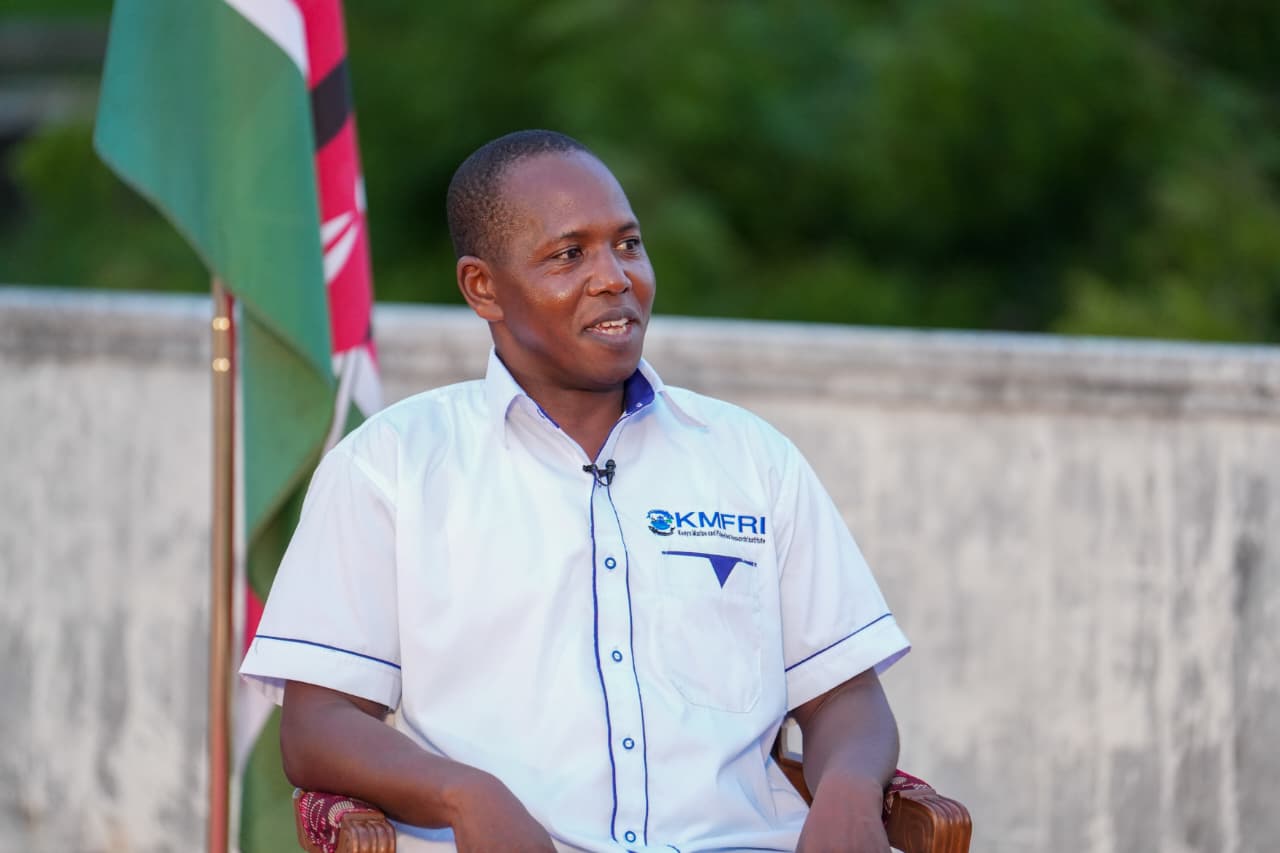
Kenya Marine and Fisheries Research Institute (KMFRI) CEO Paul Orina said the facility will house a marine hatchery producing seaweed, mangroves and other marine species for distribution to farmers.
“The project will feature a training and resource hub to equip farmers with modern aquaculture skills, alongside a fully equipped laboratory to support research and innovation. Once complete, it is expected to produce up to five million larvae annually,” Orina said.
Orina added that the initiative will boost conservation efforts, particularly in mangrove restoration, while also creating employment and improving livelihoods along the coast.
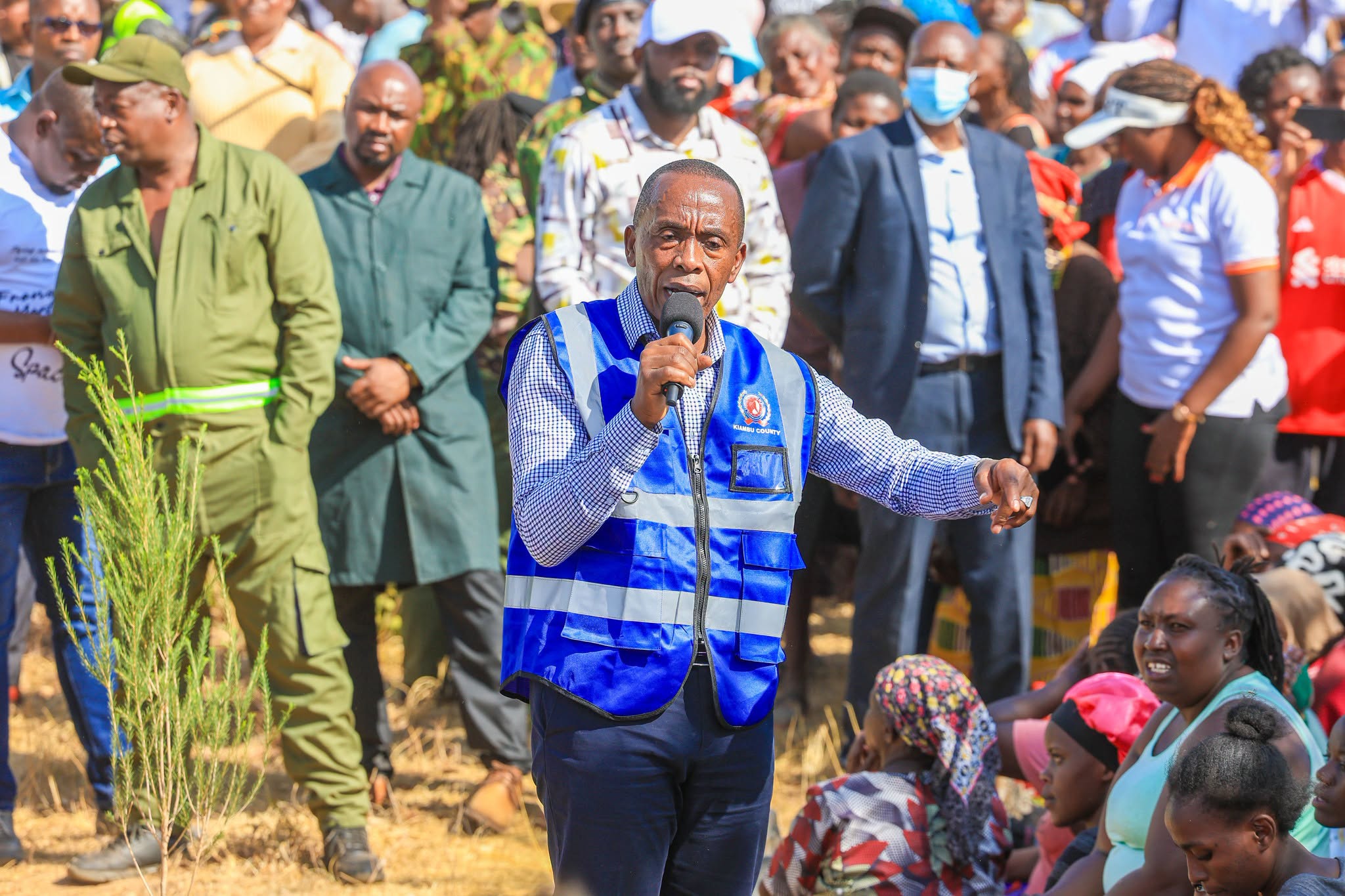
He spoke on Thursday at the Sema na Spox – Bonga na Gava show hosted by the Government Spokesman, Isaac Mwaura.
Orina said the government is positioning the blue economy as a key pathway to address youth unemployment, encouraging young people to explore opportunities in aquaculture and fisheries.
“Opportunities, especially in fish farming, remain widely accessible but underutilised by young people across the country. The sector has the potential to enhance both incomes and national food security," he said.
He said that seaweed farming is already emerging as a success story in coastal regions such as Kwale County, where it has become a reliable source of income for local farmers and that financial institutions are increasingly supporting farmers to expand production.
Beyond its economic value, seaweed is rich in omega-3 fatty acids and is widely used in the manufacture of products such as lotions, soaps and shower gels.
Orina also welcomed the introduction of Marine Biology under the Competency-Based Education (CBE) system, describing it as a significant step in aligning education with opportunities in the blue economy.
He commended the government under President William Ruto for introducing the subject at an earlier stage of learning.
“Unlike in the past, when Marine Biology was primarily introduced at university level, students are now engaging with it in secondary school,” he said.
He noted that the shift is already generating interest among learners and equipping them with the knowledge needed to pursue careers in the sector.