For decades, the Simandou mountain range in southeastern Guinea was described as a “sleeping giant” clad in high-grade iron ore. While it had the potential to supply iron ore to African and global markets, many doubted such a vision would sail past boardroom negotiations and political uncertainty.
When the first commercial shipment cleared Morebaya Port in January this year, this mirage became a reality. In total, 200,000 tonnes of iron ore left Guinea for China. But to measure the significance of this historic moment in export volumes and corporate victories alone is to grossly miss the point.
The crucial question is, who does the Simandou Corridor truly benefit?
Breaking the extractive model
For centuries, Africa has supplied raw materials for global prosperity and, in return, imported the consequences of environmental degradation and unequal trade. To date, African mining operates as an enclave economy where minerals move efficiently outward, generating wealth in developed countries, while value, jobs, and opportunities diminish at home. This business model excludes quality community involvement in the mining value chain and long-term climate considerations.
Breaking this pattern requires a development strategy that delivers real value locally. Guinea’s Compagnie du TransGuinéen (CTG) railway network offers that opportunity. The CTG aims to support broader economic transformation by utilising the line not just as a medium for transporting iron ore to the port but also as the national and regional nerve centre of trade and a crucible of industrial accomplishment.
By connecting isolated regions in Guinea, the CTG will drive economic integration, diversification, and growth. Through this line, a farmer in Guinea’s Forest Region could reach coastal markets in hours, at only 30 percent of the cost spent on the road. In the long run, this will improve market access, reduce losses, and make regional trade more predictable.
When infrastructure is designed to meet community needs alongside industry needs, this creates a crucial balance between mineral extraction and empowerment of communities, two efforts that often clash.
An opportunity for green steel
The global shift toward net-zero emissions is reshaping commodity markets. High-grade iron ore, which requires less energy in processing, is central to lower-carbon steel production. Simandou’s deposits are, therefore, strategic and significant, not only for Guinea’s economic growth but also for Africa’s energy transition.
Climate justice requires us to look beyond the demand for raw materials. This approach to minerals strikes a balance between what the world needs for the transition to green energy and who benefits from the value created.
The green energy transition will continue to fuel the demand for minerals. This makes this a critical moment for Africa. Will the continent stand at the base of the global value chain once again, or will it move up the chain to reclaim its rightful place? Can Africa’s mineral resources finally drive the continent’s development? The actions taken by African leaders now will determine whether our communities achieve climate fairness and economic independence or continue to suffer climate and economic injustices.
Exporting raw ore may generate revenue now. But semi-processed green pig iron ore pellets produced using Guinea’s hydroelectric power could retain far more value locally. This would move the country from merely supplying raw materials to participating in green industrialisation.
Besides serving Guinea, Simandou could become a green iron hub for West Africa. This way, semi-processed iron could feed local and regional factories, construction needs, and other industries across the region. The railway and ports would support jobs in logistics, engineering, and energy services.
This way, the corridor could turn raw materials into real opportunities, linking resource wealth to shared growth across the continent, in keeping with the spirit and goals of the African Continental Free Trade Area (AfCFTA). Additionally, it would help realise the vision of the Africa Green Minerals Strategy (AGMS) to promote greater Intra-Africa trade in key value chains for the transition.
Ecology, justice, and local power
Worth noting, however, is that large-scale projects often carry multiple risks for local communities. It is unjust for African communities to bear disproportionate environmental and social costs of projects. Recent operational pauses at Simandou are a case in point. These disruptions are a reminder that speed and scale cannot come at the expense of human life, biodiversity protection, and community well-being.
Forests surrounding Simandou are home to West African chimpanzees and other animal and plant species unique to the ecosystem. Industrial ambition must coexist with ecological stewardship. This stewardship must go hand in hand with transparent contracts, accountable revenue management, and genuine community participation.
Worth about $20 billion, the Simandou Corridor is more than a mining investment. It is a test of governance, transparency, and regional coordination. The credibility of the Simandou 2040 vision will depend on local content, namely, engineers, analysts, and technicians drawn from Guinean talent. In the end, communities will judge this project by the livelihoods created, not the promises made.
Simandou must avoid a path that reproduces historical injustices and repackages them in green rhetoric. It must be more than a corridor that simply aids the export of iron ore. This way, the Simandou will be a strong statement about West Africa’s place in the global green transition.
The rails are in place. The trains are already moving. The real work now is to ensure that the wagons carry not only iron ore but a broader vision of shared prosperity grounded in climate justice, regional integration, and African agency.
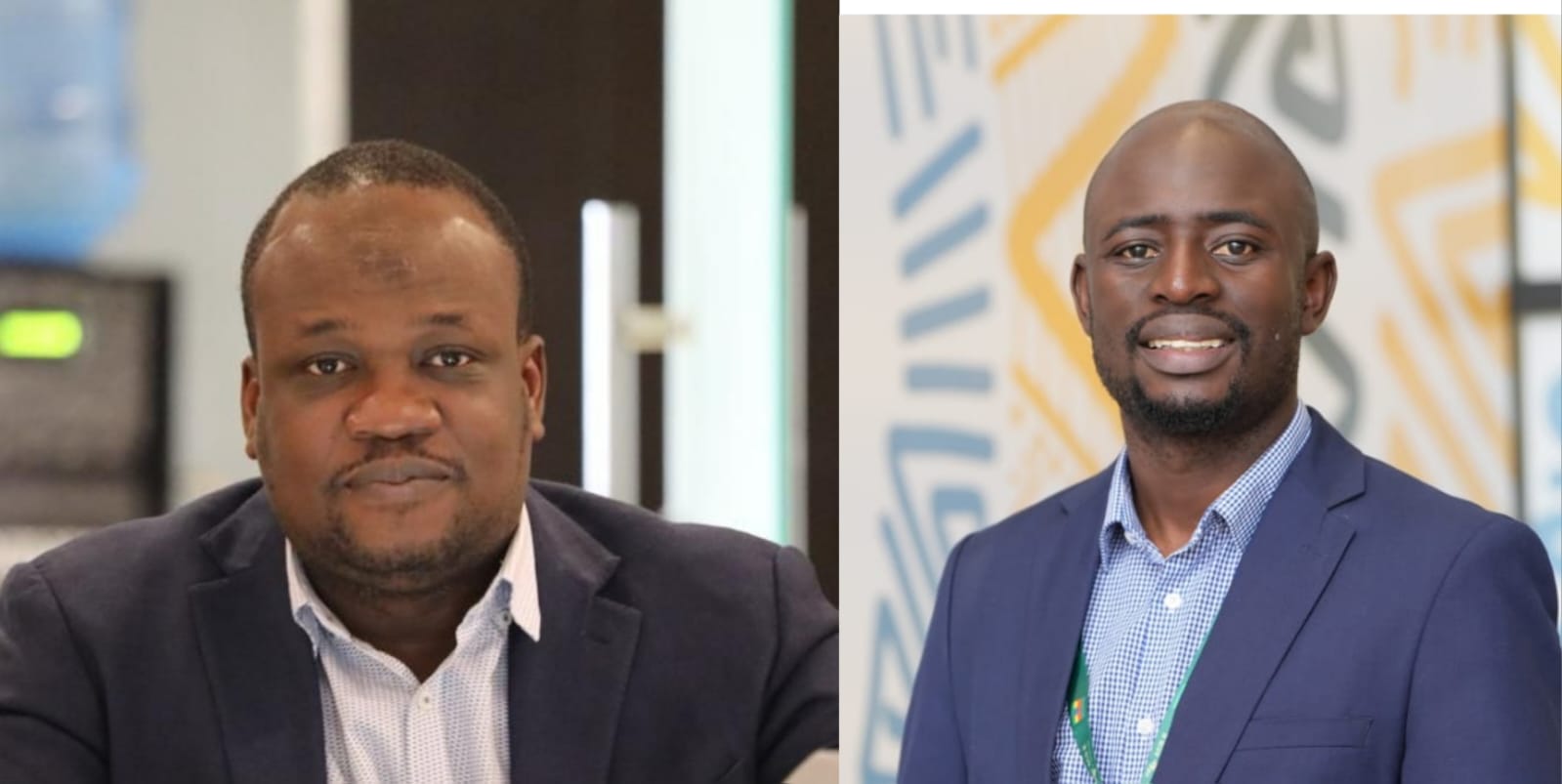
Christian Hounkannou is an Energy Campaigner at Power Shift Africa
Kudakwashe Manjonjo is a Just Transition Advisor at Power Shift Africa