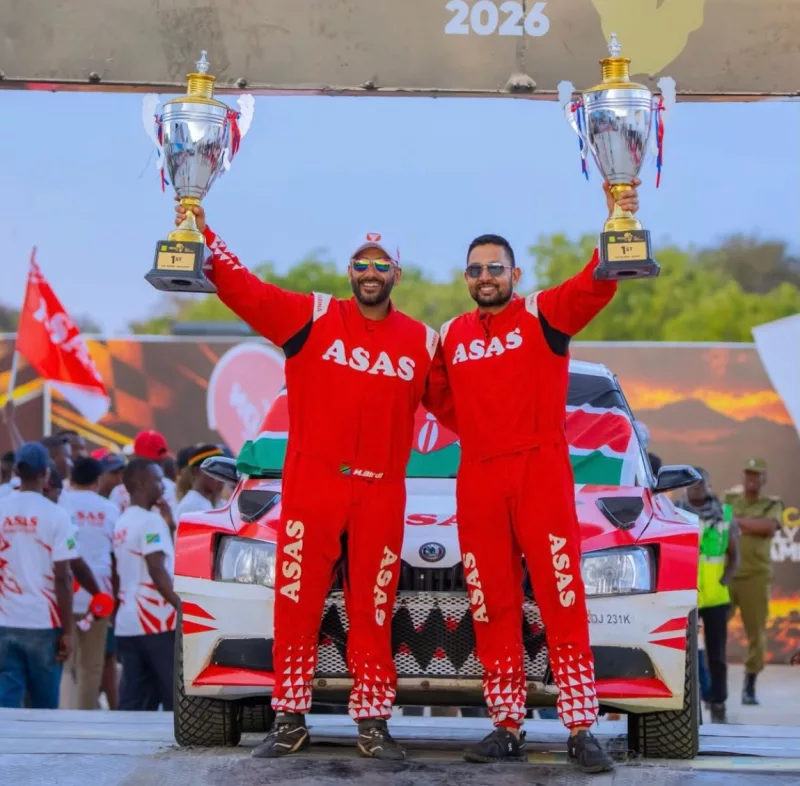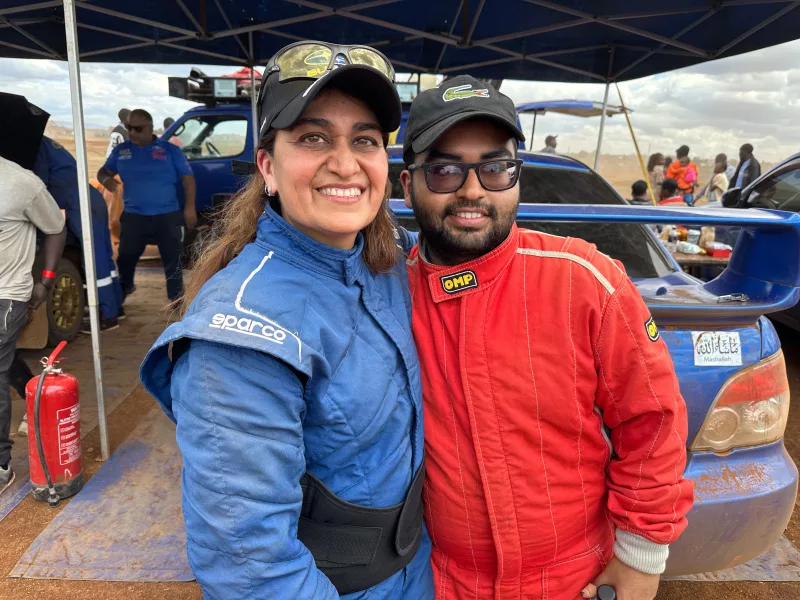
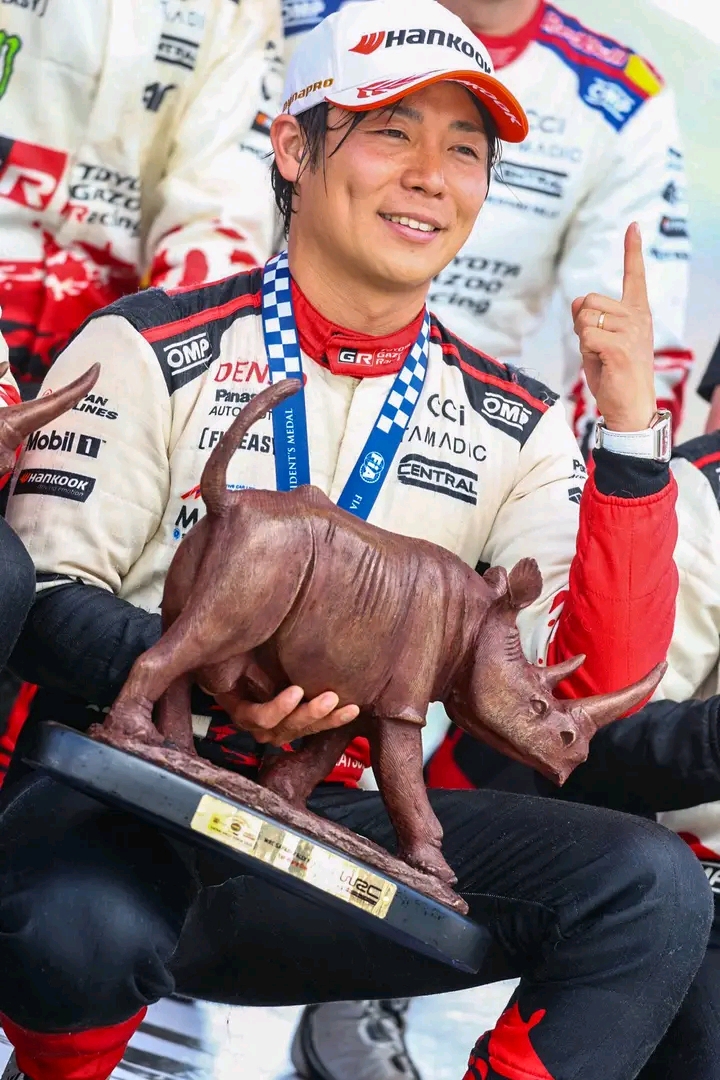
President William Ruto’s announcement that the State will gradually withdraw from financing and managing the Safari Rally Kenya, handing full responsibility to the private sector under FIA oversight, signals a bold shift in Kenya’s motorsport framework.
On paper, the logic is sound: reduce pressure on public finances and redirect resources toward grassroots sport, where long-term talent is nurtured.
It is a move that reflects fiscal discipline and a push for sustainability. Yet beneath that rationale lies a critical concern—whether Kenya risks weakening the very structure that restored the Safari Rally to global prominence before a solid alternative is in place
. The Safari Rally is not a typical sporting event. It is a complex, multi-county operation involving road preparation, security coordination, emergency response, communications infrastructure, and strict technical compliance across challenging terrain.
These are not peripheral elements—they are the foundation of the event. For years, the State has anchored this foundation, absorbing costs and coordinating the machinery required to meet international standards.
While private sector involvement has been significant through sponsorship and branding, it has not extended to governance. Sponsorship drives visibility, but it does not manage national agencies or assume full operational risk. That role has historically belonged to the government.
The concern now is that this distinction is becoming blurred. Private funding is inherently fluid, shaped by market forces and shifting priorities, while motorsport operates on fixed calendars and rigid standards.
This mismatch creates structural vulnerability. Equally critical is coordination. The Safari Rally depends on seamless collaboration between national agencies, county governments, security bodies, and technical organisers.
State involvement has traditionally provided a central command capable of resolving complexity. Reducing that role risks fragmentation, where responsibility is shared but accountability is unclear.
In motorsport terms, it is akin to removing the team principal and expecting performance to remain unchanged. The immediate risk is not collapse. In the short term, existing systems and momentum may sustain stability.
But global motorsport is judged on consistency, not isolated success. One strong edition does not secure credibility; gradual decline erodes it. That erosion is the real threat. Small inefficiencies—a delayed road upgrade, reduced logistical buffers, funding gaps, or a slight dip in broadcast quality—may seem manageable individually.
Collectively, they chip away at standards. In global sport, perception is currency, and consistency is its backbone. The Safari Rally has re-established itself as one of the most distinctive rounds on the WRC calendar, defined by its terrain, unpredictability, and atmosphere. But uniqueness alone is insufficient; it must be matched by reliable delivery under FIA standards.
Until now, that reliability has been underpinned by a hybrid model, with the State playing a decisive enabling role. The concern is that this balance is shifting faster than a credible replacement structure is being built. This is not an argument against reform.
Diversifying funding and increasing private sector participation is necessary in modern sport. The issue is sequencing. For events of this complexity, new governance systems must be fully functional before existing ones are scaled back.
What is emerging instead resembles a rapid transition—one that risks creating a governance gap. If the State is stepping back financially, it cannot withdraw structurally. Kenya needs a strong, independent motorsport authority with legal backing, operational continuity, and insulation from political and commercial fluctuations.
Without this, the Safari Rally risks reliance on short-term arrangements that cannot guarantee consistency. Equally, multi-year commitments from anchor sponsors are essential. One-year deals are insufficient for planning infrastructure, logistics, and compliance at the FIA level.
Beyond sport, the Safari Rally is a strategic national asset. It drives tourism, enhances global visibility, and reinforces Kenya’s reputation as a host of elite international events. That status depends on reliability. Strengthening grassroots sport is a valid and necessary goal. But framing it in opposition to elite events is misleading.
The two are interconnected—the Safari Rally inspires participation, attracts investment, and elevates the broader sporting ecosystem. Weakening one risks weakening the other. As Kenya navigates this transition, the central question is not ideological but practical: can it sustain the standards that secured its place on the WRC calendar while restructuring its operational model? In motorsport, success is not defined by speed alone. It is defined by stability under pressure, and Kenya is now attempting to recalibrate one of its most complex sporting assets while it is still running at full pace.