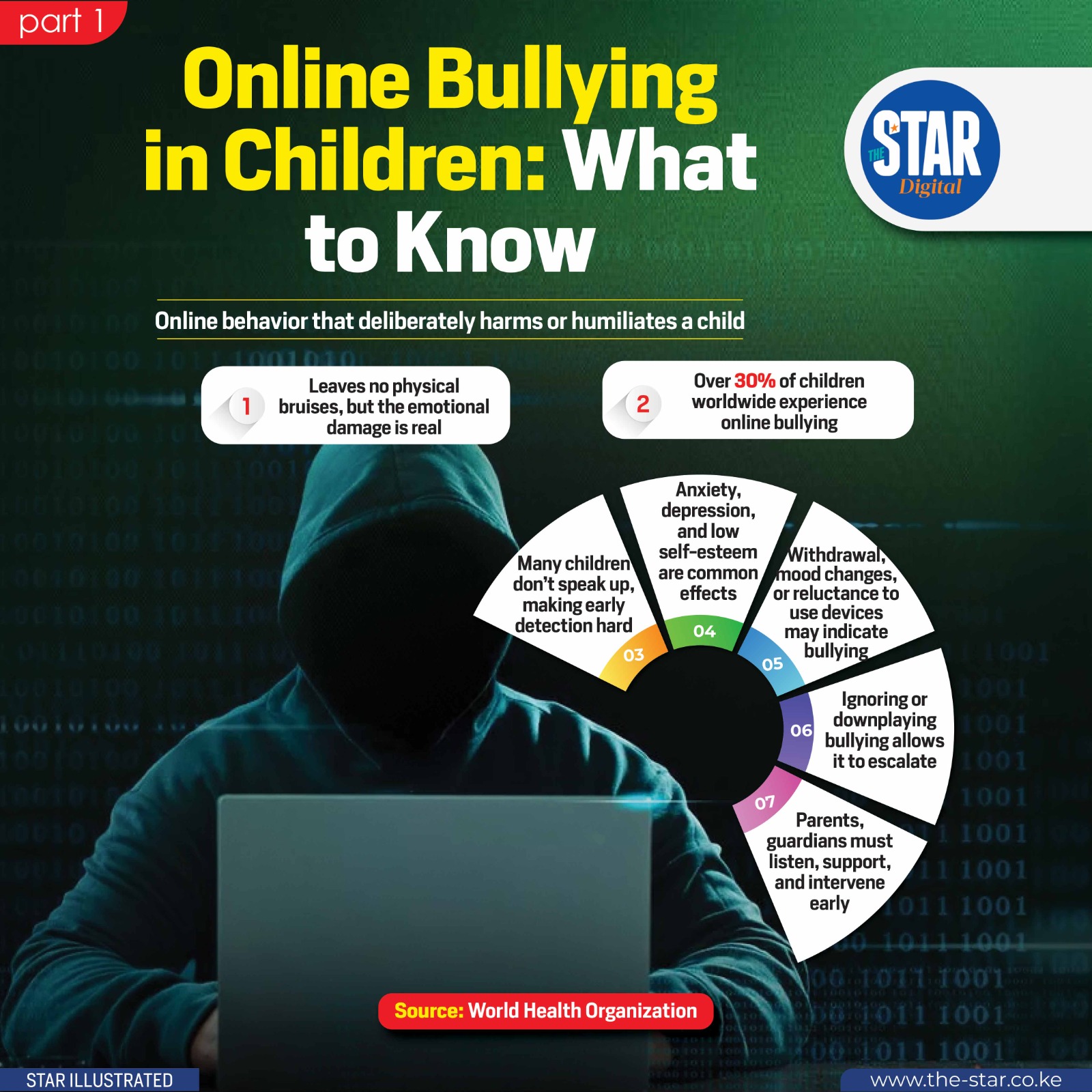
World Health Organization defines online bullying, or cyberbullying, as repeated aggressive behaviour carried out through digital platforms such as social media, messaging apps and online games.
It involves actions intended to harm, intimidate or humiliate a child or adolescent.
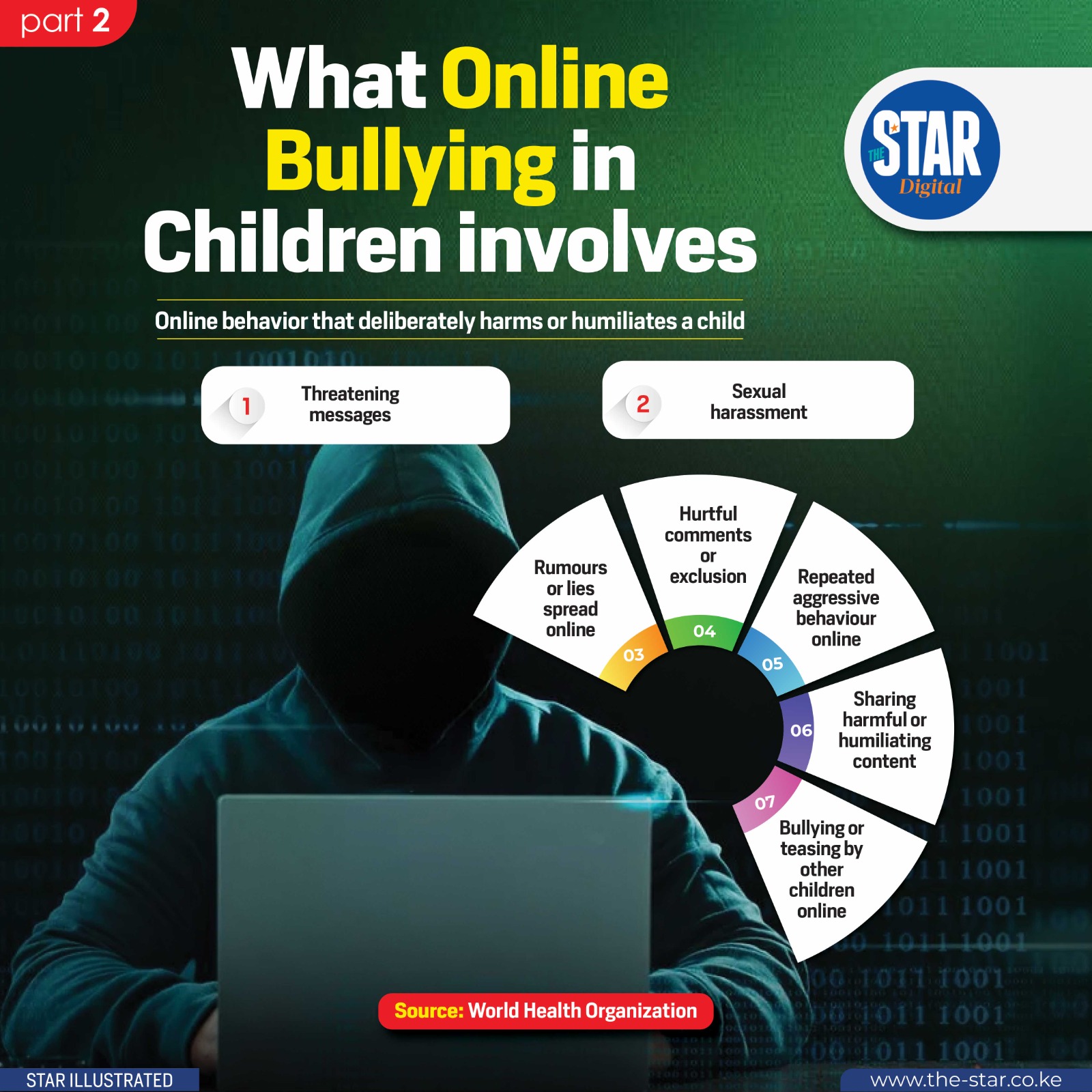
According to WHO, cyberbullying can include sending threatening messages, spreading false information, sharing embarrassing images or excluding someone from online groups.
Unlike face-to-face bullying, it can happen at any time and reach a wide audience quickly, increasing its impact.
Children who experience online bullying may show signs such as anxiety, depression, low self-esteem, social withdrawal, poor academic performance and sleep problems.
In severe cases, it can increase the risk of self-harm. WHO emphasises the importance of prevention through open communication, digital literacy and supportive environments at home and school.
Parents and caregivers are encouraged to monitor online activity, promote respectful behaviour and ensure children know how to seek help when faced with cyberbullying.





Comments 0
Sign in to join the conversation
Sign In Create AccountNo comments yet. Be the first to share your thoughts!