KENYA’s second deep-water port, Lamu is steadily gaining ground as a major transshipment hub, giving key harbours in Africa a run for their money.
This is in the wake of the disruption in the global maritime industry which has seen key ports face hitches from the ongoing war in the Middle East, which is re-arranging shipping and port business along key routes.
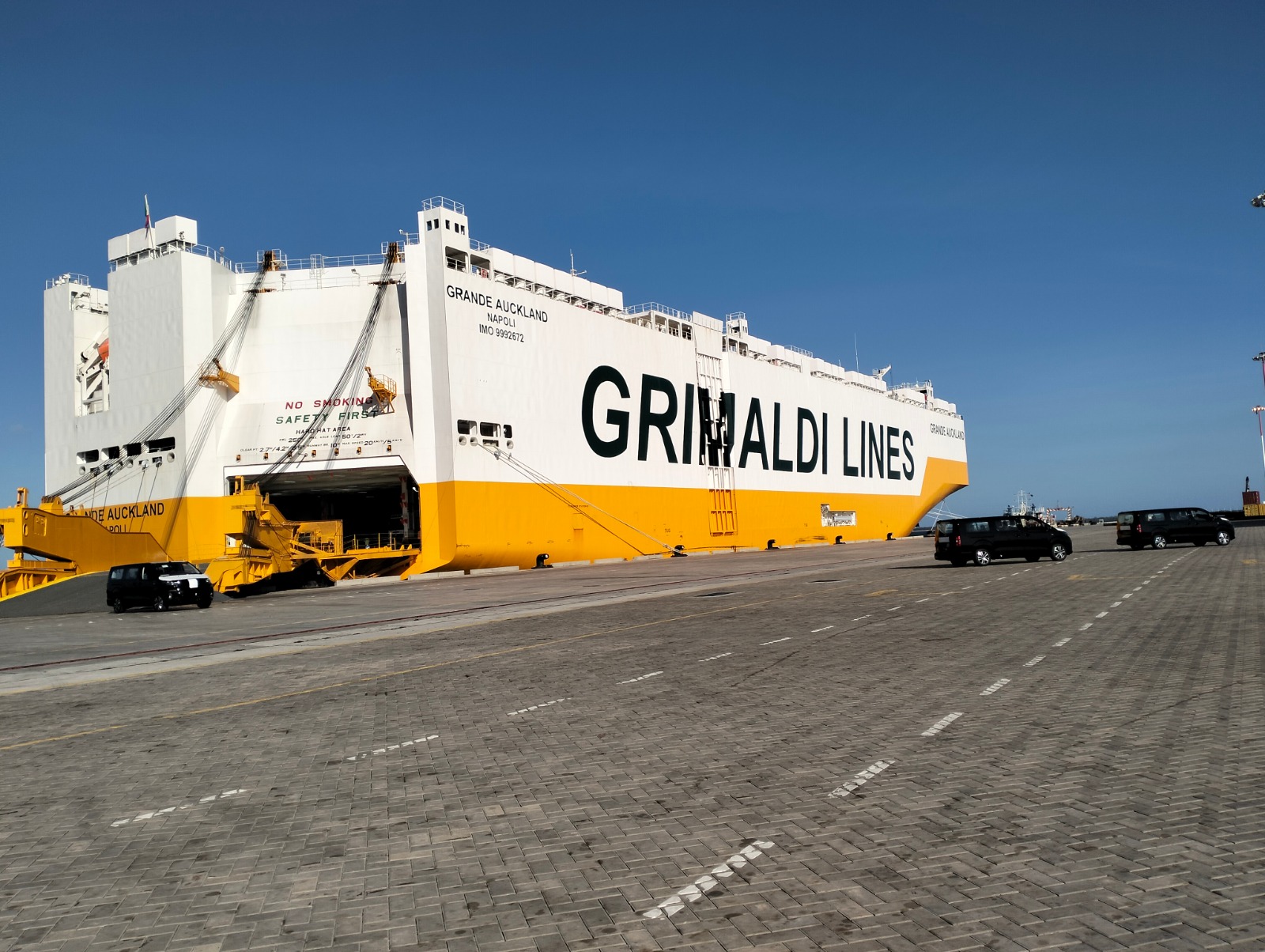
Lamu has received two car carriers in the last one week which offloaded transhipment cargo—goods unloaded from one vessel, stored temporarily and reloaded onto another vessel for delivery to final destination.
MV Grande Auckland arrived last week carrying 1,200 vehicles manufactured in Europe and destined for Dubai’s Jebel Ali Port , the largest and busiest port in the Arabian Gulf.
This week, Lamu received another vessel, Grande Florida Palermo, a vessel operated by Grimaldi Lines, carrying 3,800 cars from Japan and destined for Jebel Ali.
At least 43 cargo vessels have also docked at the facility since January, Kenya Ports Authority management has said, with more expected in coming weeks, with transhipment as a key business.
“We have a lot of inquiries from ship agents if they can use Lamu mainly for transshipment and replenishment. We have dedicated berth one and two for containerised cargo and berth three for conventional cargo carriers,” general manager, Abdulaziz Mzee, said.
The latest developments now place Lamu at a strategic position as it competes with top transshipment ports in Africa which has for years been dominated by strategic Mediterranean and Red Sea hubs.
These include Tanger Med (Morocco) leading as the largest container port, followed by East Port Said (Egypt), Djibouti and Lomé (Togo), ports that serve as vital gateways linking global shipping routes with regional African networks.
Lamu is also competing for business with Oman’s Port of Salalah which is the king in transshipment business, riding on its proximity of handling cargo between ports in Tanzania, South Africa, Middle East, Europe Salalah itself.
Lamu port’s natural depth and capacity to handle ships with a carrying capacity of up to 12,000 TEUs, compared to the 8,000 to 10,000 TEUs carrying capacity vessels that are calling at the Port of Mombasa and other regional ports, gives it an edge and makes it attractive for large vessels.
Its berths are 400 metres long compared to Mombasa’s 300 meters average while the depth at Lamu is up to minus 17.5 meters against 15 meters at the Port of Mombasa.
The port can handle Post-Panamax ships—vessels that cannot pass the Panama Canal, with the word Post-Panamax being used to decribe world's biggest vessels.
“In the next three or six months, it will be one of the biggest ports within this region. This is the only port within this region that is able to handle the deepest draft vessels of over 17 meters draft,” KPA managing director, William Ruto said during a media tour of Lamu, yesterday.
KPA projects traffic at Lamu to reach at least 24 million tonnes by 2030.
Ruto said Lamu stands ready to further enhance its capacity and capabilities to meet the growing demands of international trade.
"Our average discharge is over 1,500 TEUs per day which is within the global standards. The port is nearly up to its capacity in terms of containerised cargo,” he said.
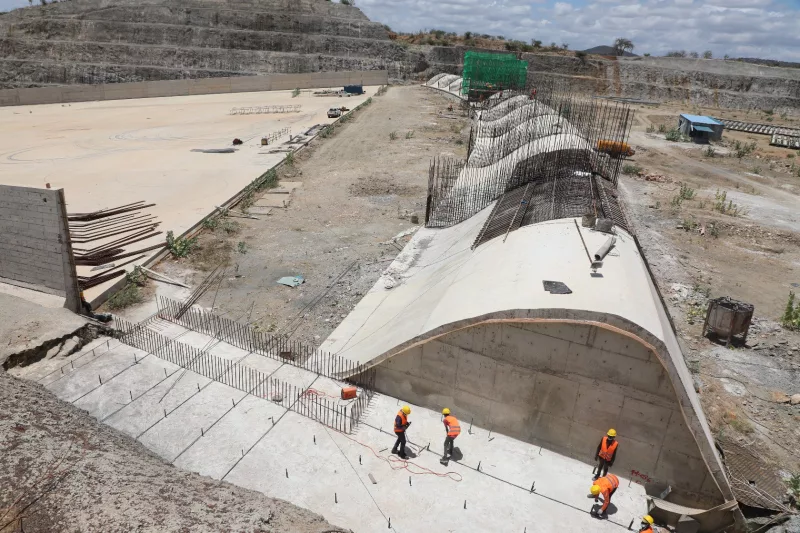
KPA has made significant investments including the acquisition of equipment and development of infrastructure.
The government has also been courting investors towards infrastructure development and creating a Special Economic Zone around Lamu Port, which is envisioned to have at least 23 berths.
The escalating conflicts, including disruptions in the Strait of Hormuz and Red Sea , have forced ships to reroute around the Cape of Good Hope (South Africa), diverting traffic toward African ports.
Major carriers have suspended transit through the Bab el-Mandeb, resulting in increased demand for bunkering and repair services in South Africa.
The Bab-el-Mandeb or Strait of Mandeb is a strait between Yemen on the Arabian Peninsula and Djibouti and Eritrea in the Horn of Africa, connecting the Red Sea to the Gulf of Aden and by extension the Indian Ocean.
Key transhipment are experiencing severe disruptions and declining vessel calls, forcing carriers to re-route around the Cape of Good Hope, with Kenyan ports handling a sizable traffic.
According to the Shippers Council of Eastern Africa, Kenya can become a major player for transshipment and maritime trade with support from private sector, including allowing shipping lines to put up berths which will guarantee business.