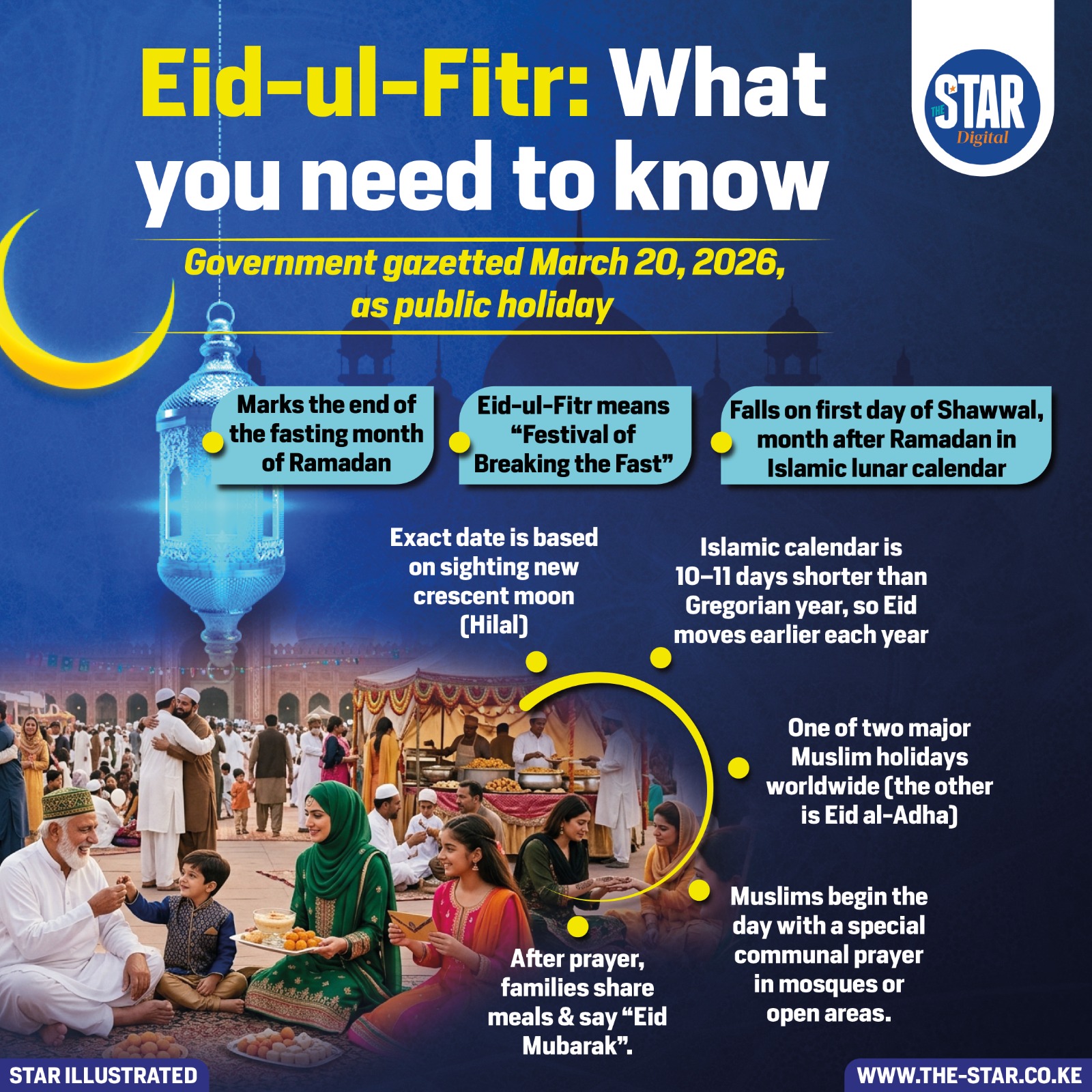
Idd-ul-Fitr is a cornerstone celebration for millions of Muslims worldwide. Known as the "Festival of Breaking the Fast," this significant religious occasion signals the conclusion of Ramadan, the holy month of fasting and spiritual reflection.
The timing of Idd-ul-Fitr is dictated by the Islamic lunar calendar, specifically falling on the first day of Shawwal. Because the lunar year is roughly 10 to 11 days shorter than the Gregorian calendar, the holiday shifts earlier each year. Its precise commencement is traditionally determined by the sighting of the new crescent moon, or Hilal.
As one of the two major Islamic holidays alongside Idd al-Adha, both devotion and community define the day. Observances start with a special communal prayer, typically held in mosques or sprawling open areas to accommodate large gatherings.
Following these formal prayers, the atmosphere transitions into one of joy and gratitude. Families and friends come together to share festive meals and exchange the traditional greeting, "Idd Mubarak."
Beyond the spiritual significance of completing the month-long fast, the holiday serves as a vital period for social connection and charity.
The gazetting of the holiday ensures that citizens have the opportunity to participate in these centuries-old traditions, reflecting the cultural and religious importance of the event within the national fabric.
Would you like me to generate an image of a traditional Eid-ul-Fitr celebration to accompany this write-up?