Djibouti President Ismail Omar Guelleh will on Monday next week launch one of Africa’s most ambitious real estate projects.
Known as Salaam City, the undertaking signals not only a milestone for the small Horn of Africa nation but also reflects a continental shift towards large-scale integrated urban planning.
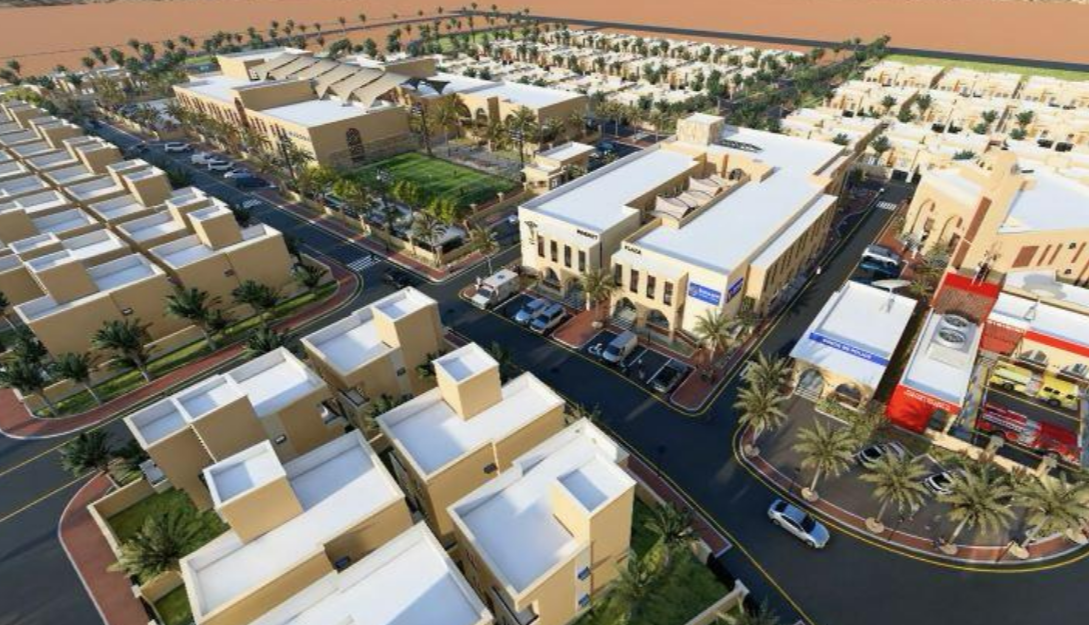
Valued at $480 million, the project is designed to accommodate a growing urban population. It will feature 7,496 housing units offering modern, affordable and family-oriented homes.
It’s envisioned as an integrated ecosystem complete with schools, healthcare facilities, a central mosque, commercial centers and recreational spaces. This approach mirrors new trends across Africa, where cities are built as self-sustaining communities and not fragmented settlements.
Salaam City reflects a deliberate effort to address one of Africa’s most pressing challenges of access to affordable housing. Across the continent, rapid urbanization has outpaced infrastructure development, leaving millions in informal settlements.
A key component of the project is its financing model, developed in partnership with Salaam African Bank. By offering flexible payment, it aims to make homeownership accessible to a broader segment of the population, including middle- and lower-income households.
The mega city’s model also opens the door for participation from both local and international investors, particularly the Djiboutian diaspora, whose remittances continue to play a vital role in national development.
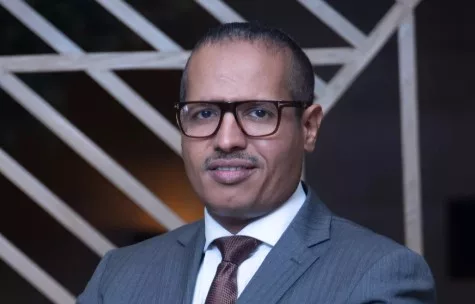
Mustafe Liibaan, the General Manager of Salaam Real Estate, says the project is anchored on inclusivity and long-term sustainability. He said Salaam City has been carefully designed to ensure that families can access quality housing within a safe and well-planned environment.
“Salaam City is designed to make homeownership accessible and affordable for families across Djibouti. Our goal is to create a community where everyone can enjoy quality housing, modern amenities, and a safe environment for their families to grow,” Liibaan said.
Beyond its residential appeal, Salaam City is expected to serve as a significant economic catalyst. During peak construction phases, the project is projected to employ up to 2,000 workers across construction, engineering, and technical fields. This job creation aspect underscores the role of real estate as a driver of economic growth in Africa.
Strategically located, Djibouti has long positioned itself as a gateway between Africa, the Middle East, and global trade routes. With its expanding ports and logistics infrastructure, the country is steadily reinforcing its status as a regional hub.
Salaam City aligns closely with this national vision, supporting urban expansion while complementing the country’s economic ambitions.
Urban analysts say that projects of this scale are increasingly shaping Africa’s future cities, from Nairobi to Addis Ababa, as governments and private developers respond to demographic pressures and rising demand for modern housing. In this context, Salaam City is not just a national project; it is part of a continental movement toward smarter, more inclusive urban growth.
As Djibouti breaks ground on this landmark development, Salaam City stands as a symbol of Africa’s evolving urban identity. “This will be a game changer. For Africa, the real estate sector will be a huge gateway to economic growth,” said real estate expert Adan Ahmed.