More than 400,000 teachers and close to one million of their dependants risk disruption in access to healthcare services following a Sh1.4 billion funding shortfall in the teachers’ medical scheme.
The deficit, which has emerged under the new Social Health Insurance Fund (SHIF) framework, has raised concerns over the continuity of medical services.
There are early warnings that some hospitals could begin turning away teachers as soon as May due to delayed payments.
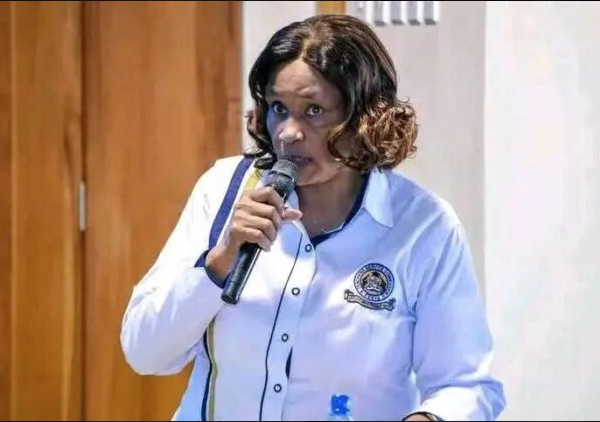
Appearing before the National Assembly Departmental Committee on Education chaired by Tinderet MP Julius Melly, Teachers Service Commission acting CEO Evelyn Mitei acknowledged the financial strain facing the commission following the transition from the Minet insurance scheme to the Social Health Authority (SHA).
Mitei, however, sought to allay fears of an immediate crisis, insisting that efforts are underway to secure additional funding to bridge the gap.
“We were only asking for additional funding and there is no crisis at all. We have paid SHA half the required amount for service provision. We were only asking for the balance to be put on Supplementary I,” she told the committee.
Despite the reassurance, legislators expressed concern over the sustainability of the scheme and the potential impact on teachers if the shortfall is not urgently addressed.
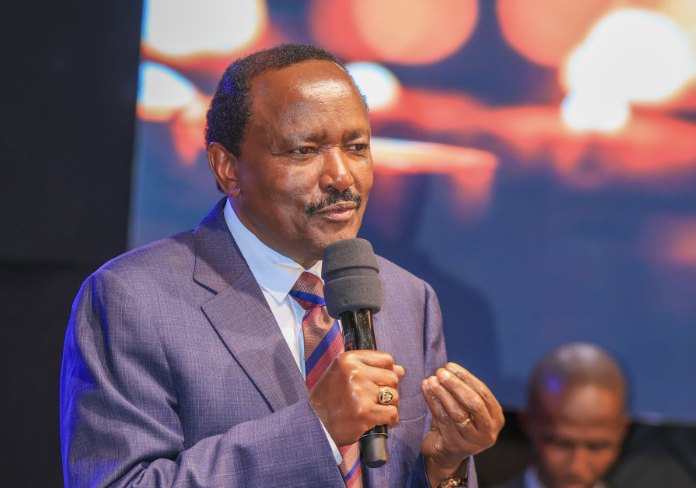
Kabuchai MP Majimbo Kalasinga speaking at a separate meeting warned that the health of teachers is critical to the smooth functioning of the education sector and should not be taken lightly.
“We cannot sit in Nairobi and assume everything is working when teachers are complaining,” he said.
“A teacher must be healthy so that he can be in class to teach properly. A sick teacher, who has a very bad tooth ache cannot teach,” he added, urging the government to prioritise quality healthcare for educators.
The funding gap comes amid a broader transition in the provision of teachers’ healthcare, which shifted in December last year from the Minet scheme, after a decade of service, to the government-backed SHA system under SHIF reforms.
Under the new arrangement, teachers are covered through the Mwalimu Cover, which provides a comprehensive benefits package including inpatient and outpatient care, maternity services, chronic illness management, dental and optical care, as well as emergency evacuation and overseas treatment.
The cover extends to a teacher, one declared spouse, and up to five children, with provisions for older dependants who are full-time students and children with disabilities.
However, TSC revealed that financial pressures are already mounting. As at December 31, 2025, outstanding bills under the previous Minet scheme stood at Sh7.448 billion, further straining the commission’s ability to fully fund the new arrangement.
“For the current seven-month period under SHA, we require Sh8.9 billion, but we have only been able to access Sh7 billion under Article 223, with a supplementary allocation of Sh7.5 billion. This leaves a funding gap of Sh1.4 billion,” Mitei said.
The disclosure came as MPs reviewed TSC’s Supplementary Estimates I for the 2025-26 financial year, which rose to Sh407.69 billion. Of the additional allocations, Sh7.5 billion has been earmarked for the medical scheme, although lawmakers warned it may still be insufficient.
Committee members cautioned that continued underfunding could lead to delays in reimbursements to hospitals, a scenario that may prompt health facilities to deny services to teachers, triggering a full-blown crisis in the sector.
With the clock ticking, pressure is now mounting on the government to urgently plug the funding gap and avert a disruption that could affect not only teachers’ health, but also the stability of the country’s education system.