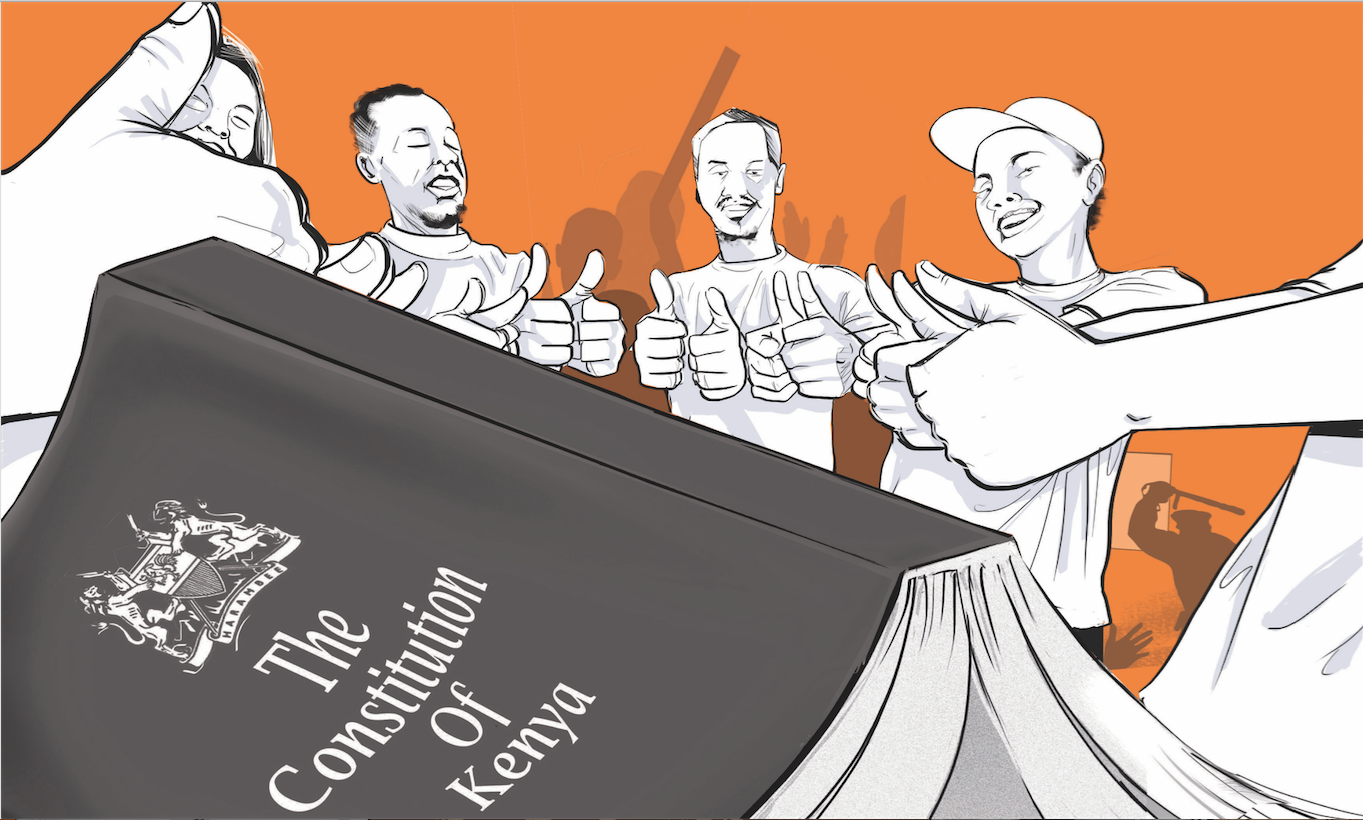
I submit that incorporating the CKRC process into Kenya's school curriculum, starting from age 10 through high school, is essential. It would equip young minds with an understanding of their nation's foundational document, fostering informed citizens who can safeguard democracy.
The CKRC's origins trace back to the Ufungamano Initiative and the National Convention Executive Council (NCEC) meetings, emblematic of grassroots defiance against authoritarianism.
In 1999, amid dissatisfaction with the government-controlled 1997 Review Act, religious leaders, civil society and academics converged at Ufungamano House. Professor Yash Pal Ghai, a constitutional scholar, lent expertise to this people-driven effort, emphasising inclusivity through public hearings.
To operationalise this, the Ufungamano group appointed the People's Commission of Kenya (PCK) in 2000, chaired by Dr Oki Ooko-Ombaka, a respected legal expert. The PCK conducted parallel consultations, gathering views from diverse communities and drafting recommendations that challenged the elite-driven narrative.
Parallel to this, Prof Kivutha Kibwana's NCEC mobilised opposition and advocacy groups, hosting national dialogues that amplified voices from the margins. These initiatives exposed the flaws in the Parliamentary Select Committee (PSC) model, which was seen as dominated by the political elite. By 2000, negotiations merged these streams into the CKRC, chaired by Ghai, creating a 29-member body that incorporated 10 from the PCK and collected views from over 210 constituencies.
This merger wasn't seamless; it highlighted the tension between public will and parliamentary oversight, a theme that persisted. The push-and-pull between the CKRC and PSC from 1997 onwards underscores why this history matters for education.
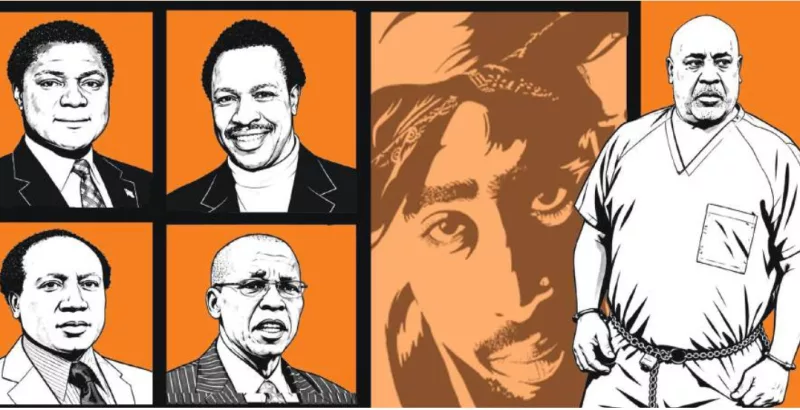
Early PSC chairmen, such as Raila Odinga, from 1998-2000, played dual roles: positively advancing stakeholder inclusion through amendments, yet seen negatively as perpetuating opposition activism against Kanu. Paul Muite, around 2003, championed dialogue but his opposition leanings deepened divides. Simeon Nyachae, in 2004, bridged gaps in retreats like Naivasha and Kilifi, facilitating compromises on devolution and executive powers, but his abrasiveness diluted reforms, contributing to the 2005 referendum's failure. Amos Wako, as Attorney General, provided legal polish but orchestrated the Wako Draft's executive-friendly alterations, betraying public input.
Contentious issues abounded, as revealed in CKRC minutes and reports. Devolution sparked debates over levels of government, that is, national/regional/county vs national/district and revenue sharing, with PSC favouring central control to avoid fragmentation, while CKRC advocated regional autonomy to redress marginalisation. Executive structure pitted a strong presidency against hybrid models, fearing autocracy.
Land rights addressed colonial injustices but clashed over restitution versus compensation. Electoral systems, judiciary independence and rights like dual citizenship were battlegrounds, often laced with ethnic undertones. Even the "general will"—a Rousseauian concept invoking collective sovereignty—surfaced in reports, such as in federalism discussions where it was argued that unified action trumps division, or in plenary proceedings aligning public consensus with national good.
These struggles led to milestones. The Bomas Draft of 2004, embodied popular aspirations; the rejected Wako Draft; and the Harmonized Draft of 2009-2010, which balanced elements into the current constitution.
Yet, the process's impact was profound. Positively, it democratised governance, introducing devolution that empowered counties and a Bill of Rights that protects freedoms. Negatively, it occasioned delays and dilutions, exacerbating the 2007-08 post-election violence, a stark reminder of unresolved grievances.
Why teach this from age 10? Children at that stage are forming civic identities. Age-appropriate modules could start with simplified stories of Ufungamano's gatherings and the PCK's role under Dr Ooko-Ombaka, evolving to high school analyses of PSC-CKRC tensions.
This isn't rote memorisation but critical thinking. Students would learn how "general will" translates to public participation, dissecting disagreements to appreciate compromise. In a nation where constitutional amendments are perennial threats, such education prevents historical amnesia. It counters misinformation, as seen in social media distortions of the process, and builds unity across ethnic lines by humanising the journey.
Critics might argue it's too complex for young learners or burdens an already packed curriculum. But simplify the uptake by using comics for primary schools and debates for high schools. The payoff? A generation less prone to manipulation, more engaged in referendums. Kenya's youth need this toolkit to evolve the constitution responsibly.
In evaluating this odyssey, the CKRC process reveals democracy's fragility and potential. By embedding it in schools, we honour the sacrifices of Ghai, Kibwana, Ooko-Ombaka and countless Kenyans. It's not just teaching history; it's nurturing guardians of the republic. Let us act now, for the constitution's promise, per the preamble, depends on informed inheritors.
Social impact adviser, social consciousness theorist, trainer and speaker, agronomist consultant for golf courses and sportsfields, and author of 'The Gigantomachy of Samaismela' and 'The Trouble with Kenya: McKenzian Blueprint'